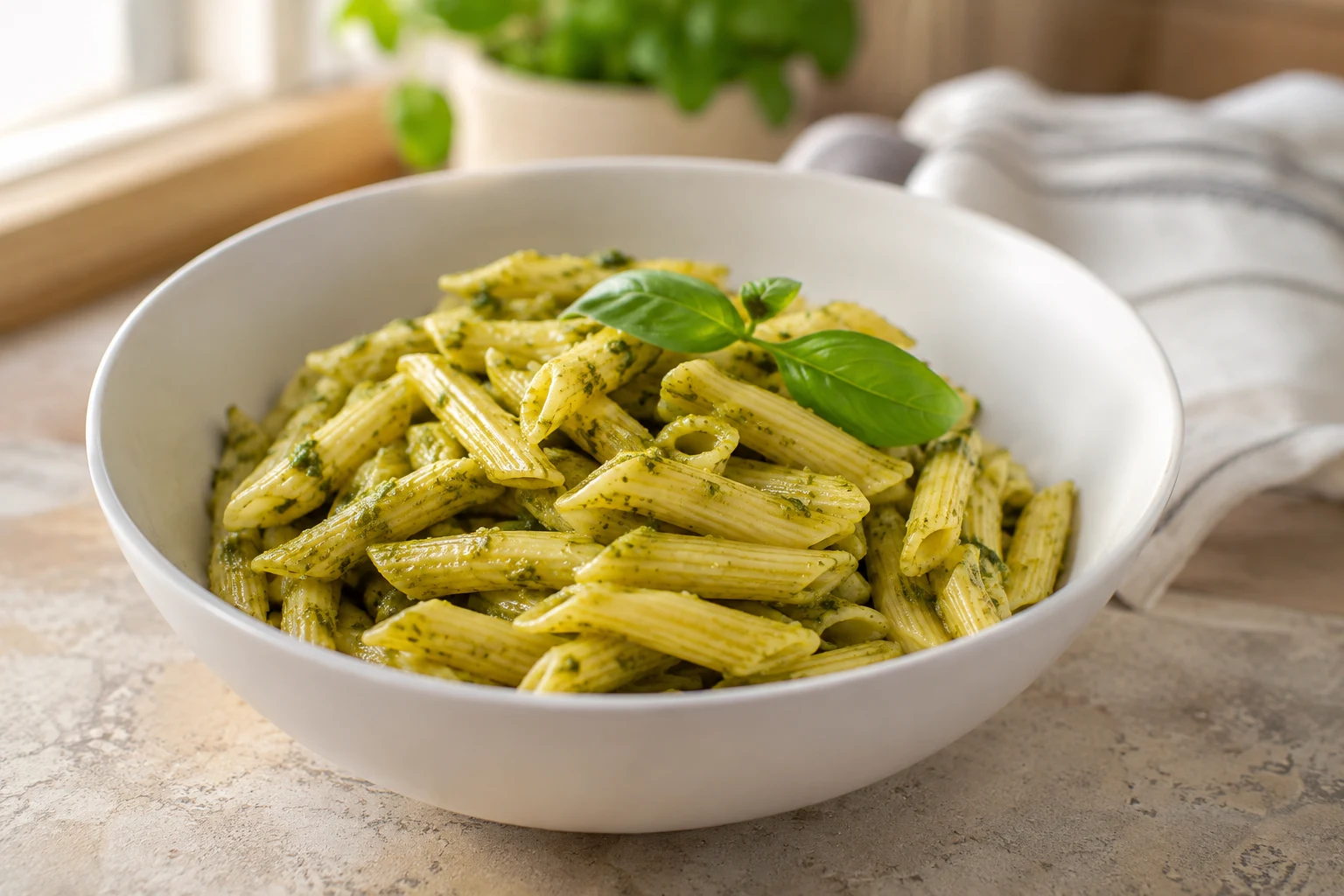
For gluten-free pasta, use the directions on the package you are cooking today. Bring the water to the instructed boil, stir as directed, and check a piece for texture near the stated cooking time. Have the sauce and colander ready so the pasta can move straight to the next step.
Gluten-free is a dietary description, not one pasta formulation. Rice, corn and legume blends can behave differently. A timing rule that worked for one shape or brand is a note to reconsider when you change products.
Start with the current package directions
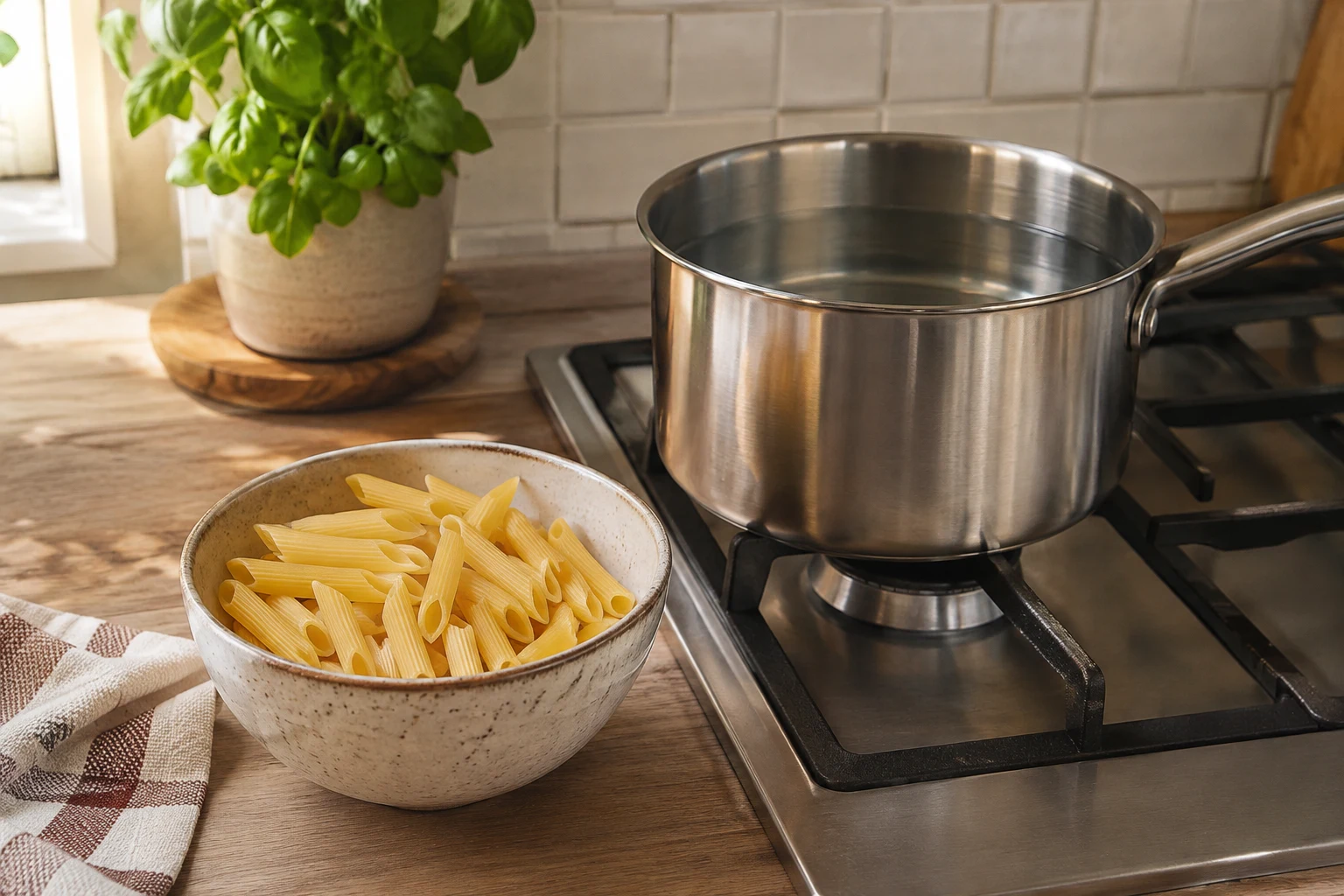
Check the ingredients, cooking time and water instructions before opening the bag. Write the brand and shape next to your recipe if you want to reproduce a result. A photograph of a previous package is less useful than the instructions on the one in your hand.
Barilla's published cooking guidance emphasizes boiling water, stirring and the product's stated timing. Treat that as a process framework alongside your particular gluten-free product directions, not permission to assign every pasta the same number of minutes.
For sticking, check the water and stirring before adding anything else. Use the package's water quantity, add the pasta at the instructed boil and stir to separate the pieces. Barilla advises against adding oil to the water as a sticking remedy; it can interfere with sauce adhesion.
Use a timer as a reminder to check. Remove a piece with a clean utensil, let it cool enough to taste safely, and assess the center. If it is ready, move to draining instead of waiting for a remembered time from another pasta.
Have the sauce ready before draining
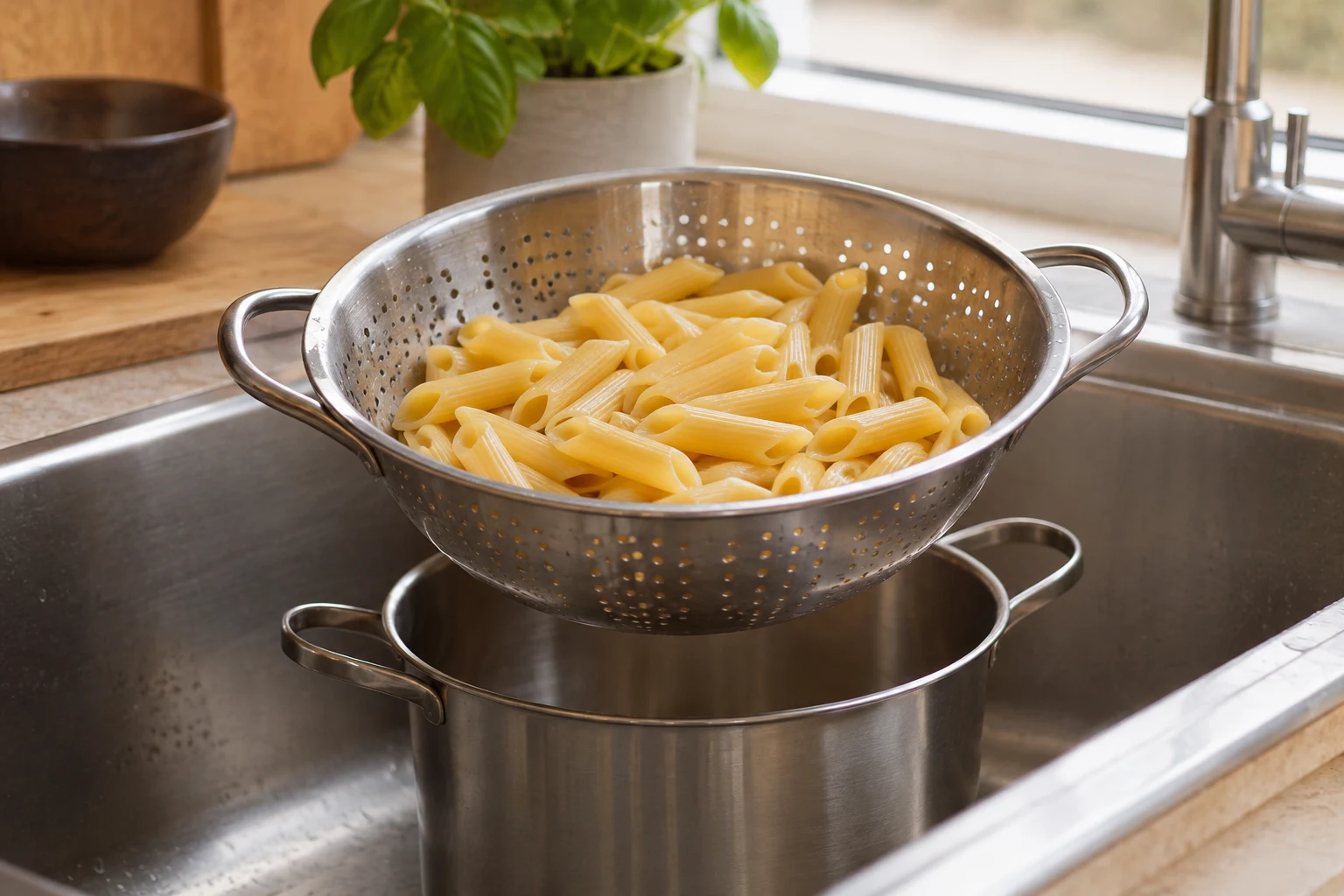
Read the full recipe first. If the sauce requires chopping, blending or reducing, complete those jobs before the pasta reaches its preferred texture. Set out a clean colander and a bowl or cup for reserved cooking water when the recipe requests it.
Our walnut and kale pesto pasta asks you to reserve some cooking water and then combine the drained pasta with pesto. Follow that sequence rather than leaving the cooked pasta waiting while you start the pesto from scratch.
If the recipe finishes pasta in a hot pan of sauce, include that step when deciding when to drain. Do not automatically add extra sauce-cooking minutes from a different pasta recipe.
If pasta is already mushy, more boiling will not restore its structure. Make a note of when you first checked it and reduce the delay between draining and serving next time. Change one part of the workflow at a time so your notes remain useful.
Decide whether to rinse for this dish
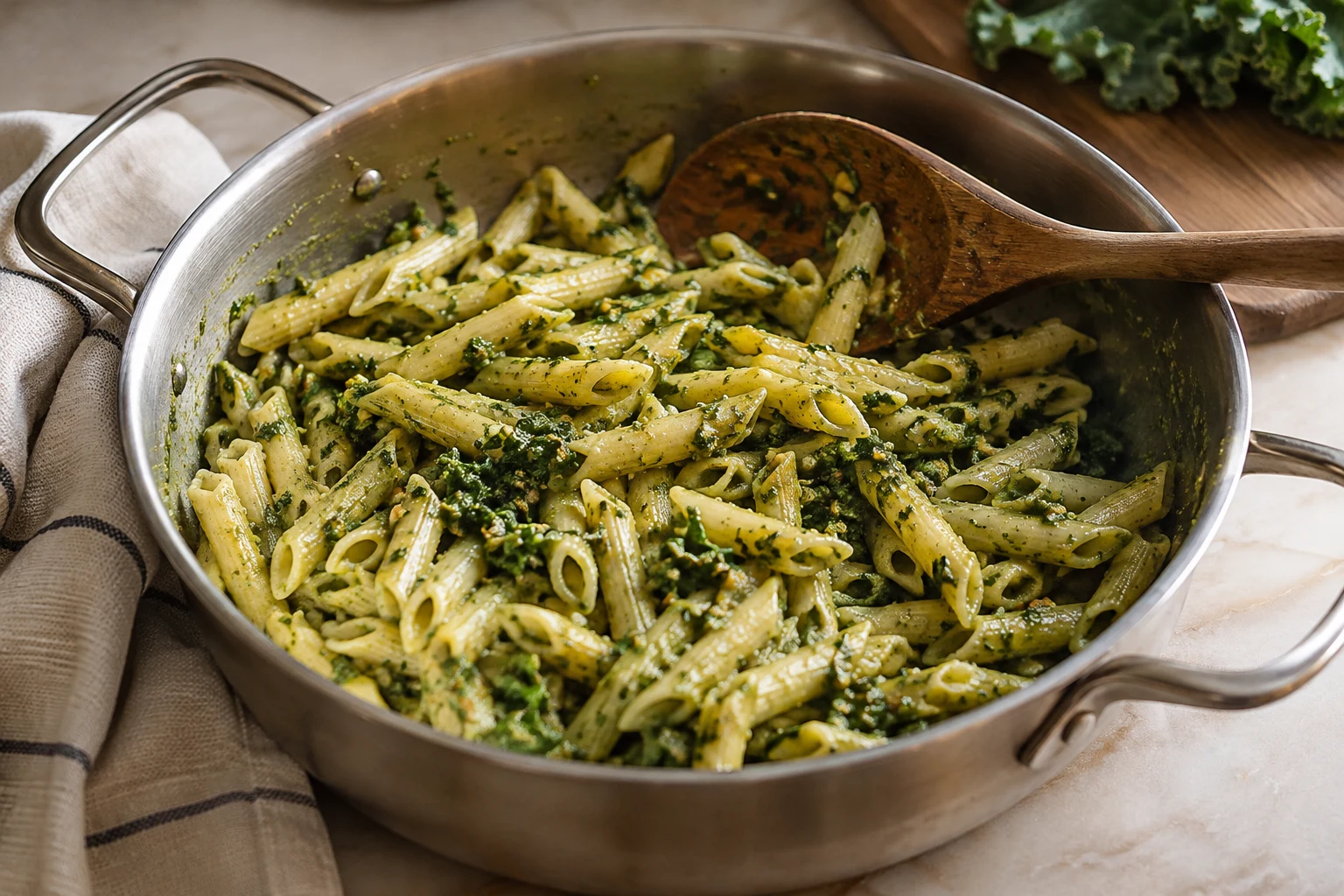
There is no helpful blanket rule that every gluten-free pasta must be rinsed, or that none should be. Check the package and recipe together. Barilla's general hot-pasta guidance favors draining without rinsing; a cold salad can have a different sequence.
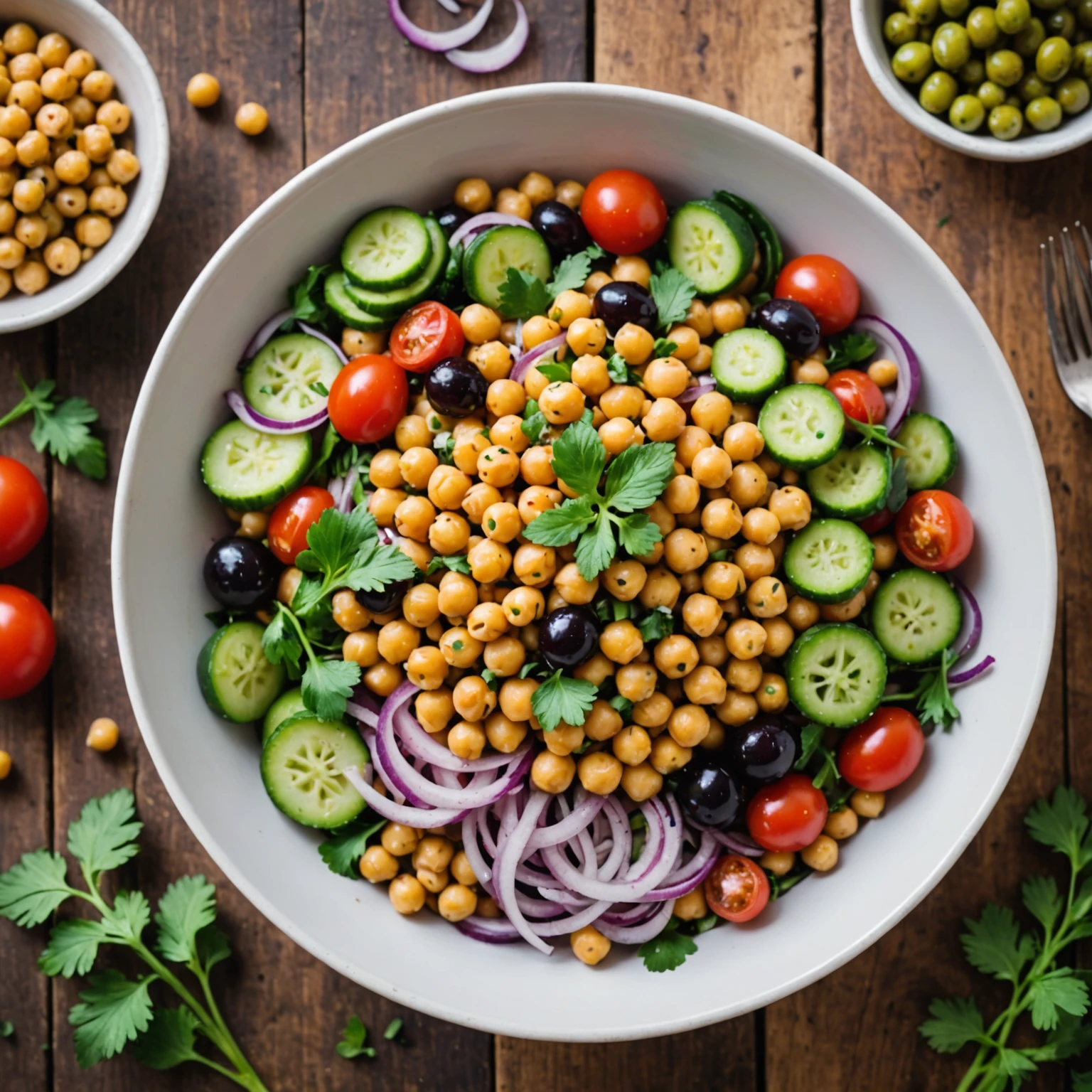
For example, our Mediterranean gluten-free orzo salad specifically includes a cold rinse. That instruction belongs to that preparation. Do not automatically transfer it to a hot pesto dinner.
Keep gluten-free preparation separate
Texture and gluten cross-contact are separate checks. The Celiac Disease Foundation identifies preparation-related cross-contact as a concern. Use clean equipment and fresh cooking water; do not cook gluten-free pasta in water previously used for wheat pasta. A separate or thoroughly cleaned suitable colander matters too. Rinsing finished pasta does not turn a contaminated meal into a reliably gluten-free one.
Check sauces, broth, toppings and the pasta label for the dietary needs of the person eating. Do not assume the whole dish is suitable because the main ingredient is labeled gluten-free.
Keep a short pasta note
Record the product, shape, package time, your texture-check time and whether the dish was served hot or cold. These details give your next attempt a clear starting point without promising that every package will behave identically.
More recipes to try
For a different pasta preparation, try one of these recipes. Baking and absorption-style cooking have their own liquid and timing instructions; follow the complete recipe rather than transferring the boiling method unchanged:
This guide draws on Barilla's cooking guidance and Celiac Disease Foundation cross-contact information. AI-generated photographic-style images illustrate the steps and do not establish a product's ingredients or record a kitchen test.