 Freeflourish
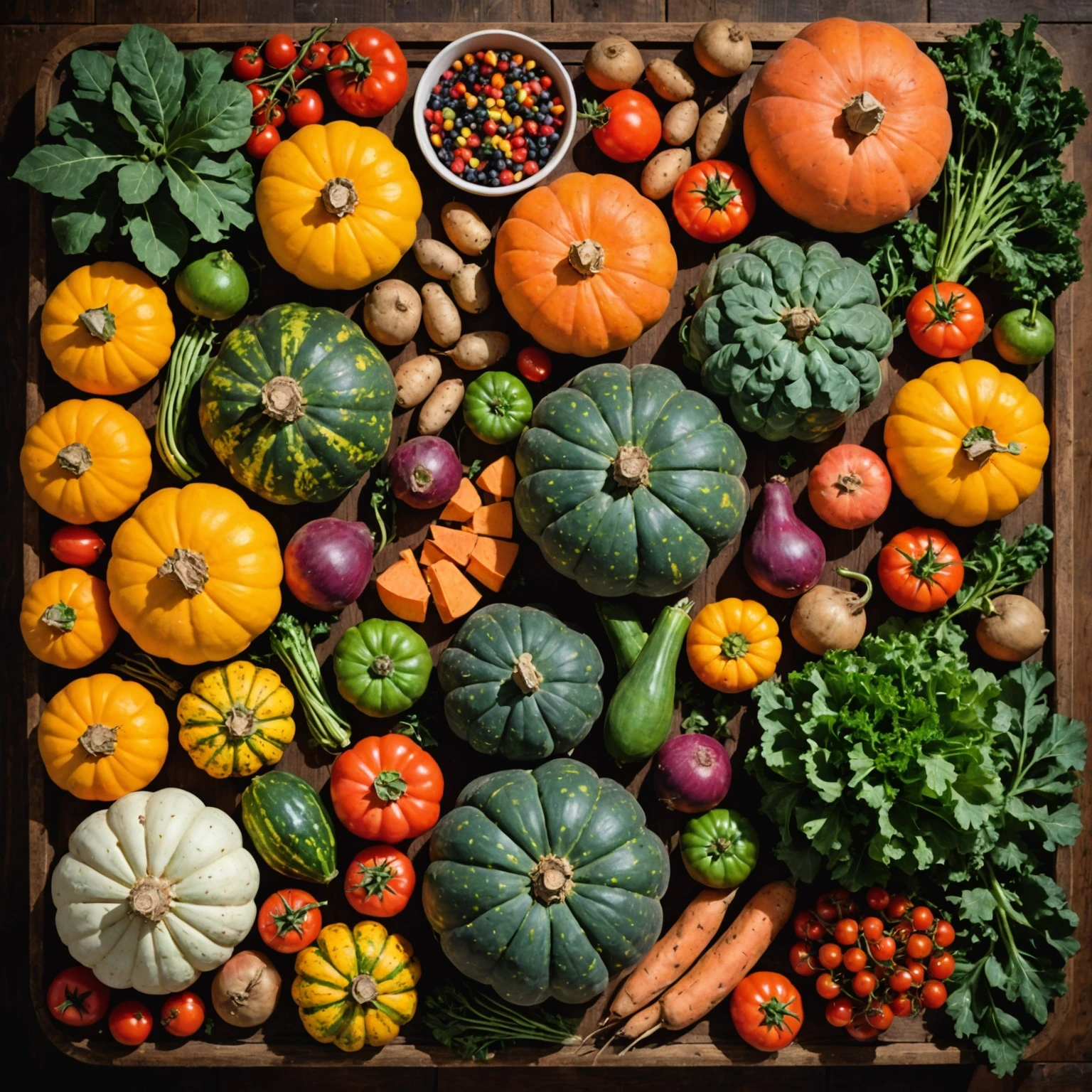
Eating seasonally is a powerful way to enrich your gluten-free diet with fresh, nutrient-rich foods at their peak quality. Seasonal superfoods—fresh fruits, vegetables, and other natural harvest items—offer concentrated vitamins, minerals, antioxidants, and fiber that support overall health and wellness.
Understanding Seasonal Superfoods
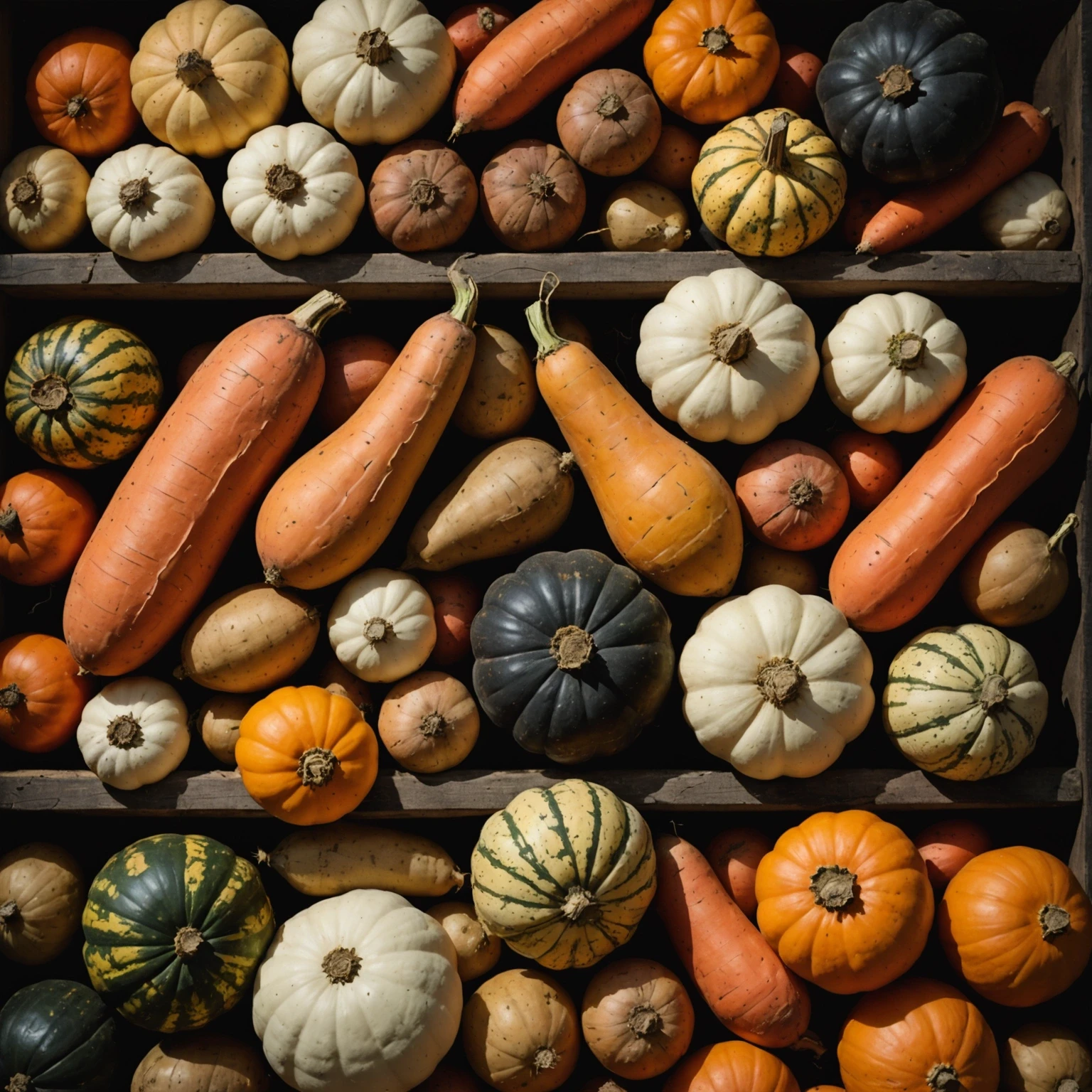
Seasonal superfoods are plant-based foods that grow optimally during specific times of the year, delivering enhanced flavor and greater nutritional value when consumed fresh. Compared to out-of-season produce, they are typically more affordable, environmentally sustainable, and nutrient-dense.
For those adhering to a gluten-free lifestyle, seasonal superfoods provide wholesome nourishment without relying heavily on processed gluten-free alternatives or supplements. Prioritizing these natural foods helps maintain a balanced, whole-food focused diet.
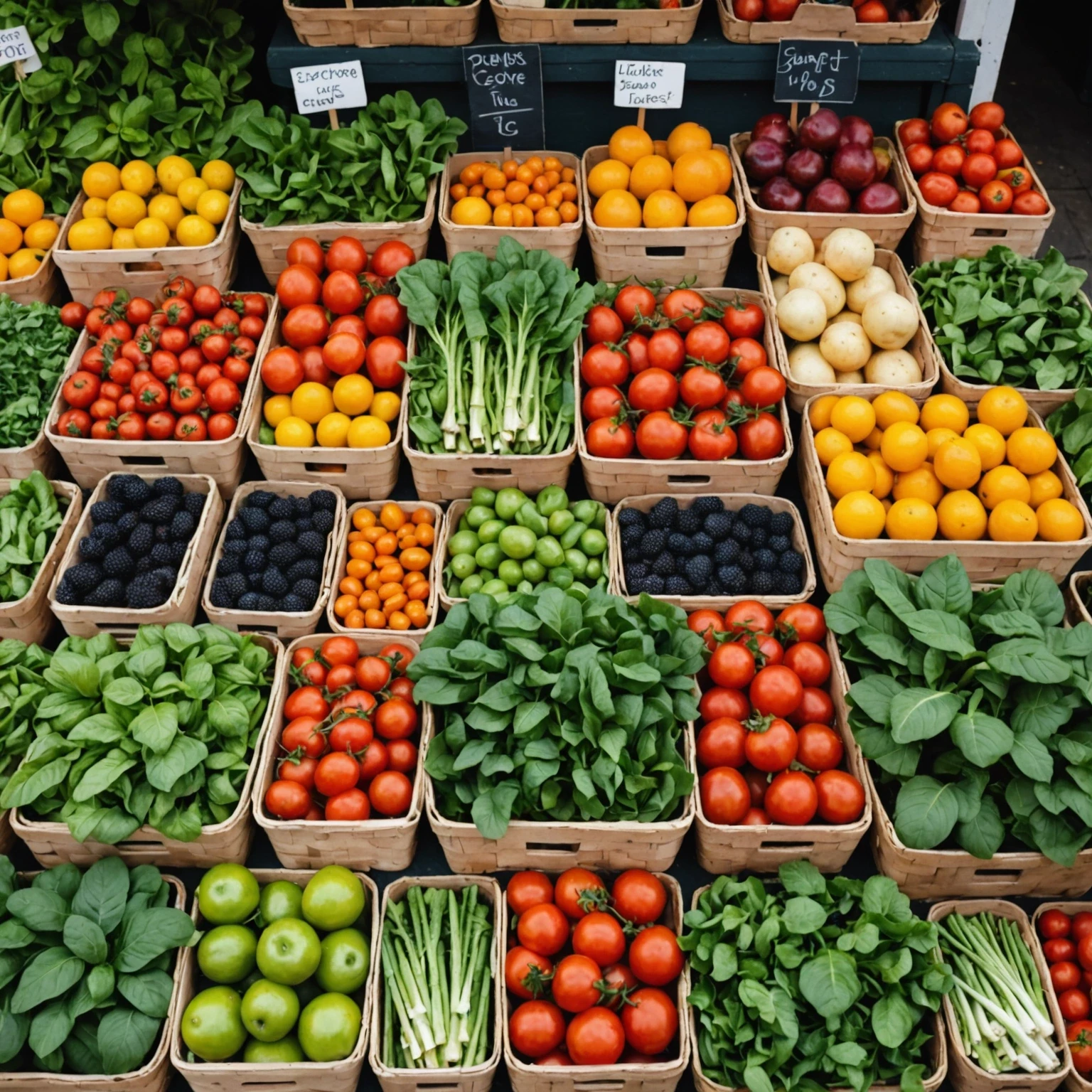
Nutritional Benefits Across the Seasons
- Autumn: Root vegetables and winter squashes, such as butternut squash, acorn squash, sweet potatoes, and carrots, are rich in beta-carotene, vitamin C, and complex carbohydrates. Their fiber content promotes digestive health, vital for gut balance.
- Winter: Cruciferous vegetables like kale and Brussels sprouts offer vitamin K, calcium, and immune-boosting phytonutrients that support bone health and defenses.
- Spring: Tender greens, asparagus, and peas bring high levels of folate and antioxidants, aiding cellular renewal and detoxification.
- Summer: Hydrating berries, tomatoes, and stone fruits deliver vitamin C and lycopene, compounds associated with cardiovascular health and skin protection.
Selecting and Storing Seasonal Produce for Maximum Nutrients
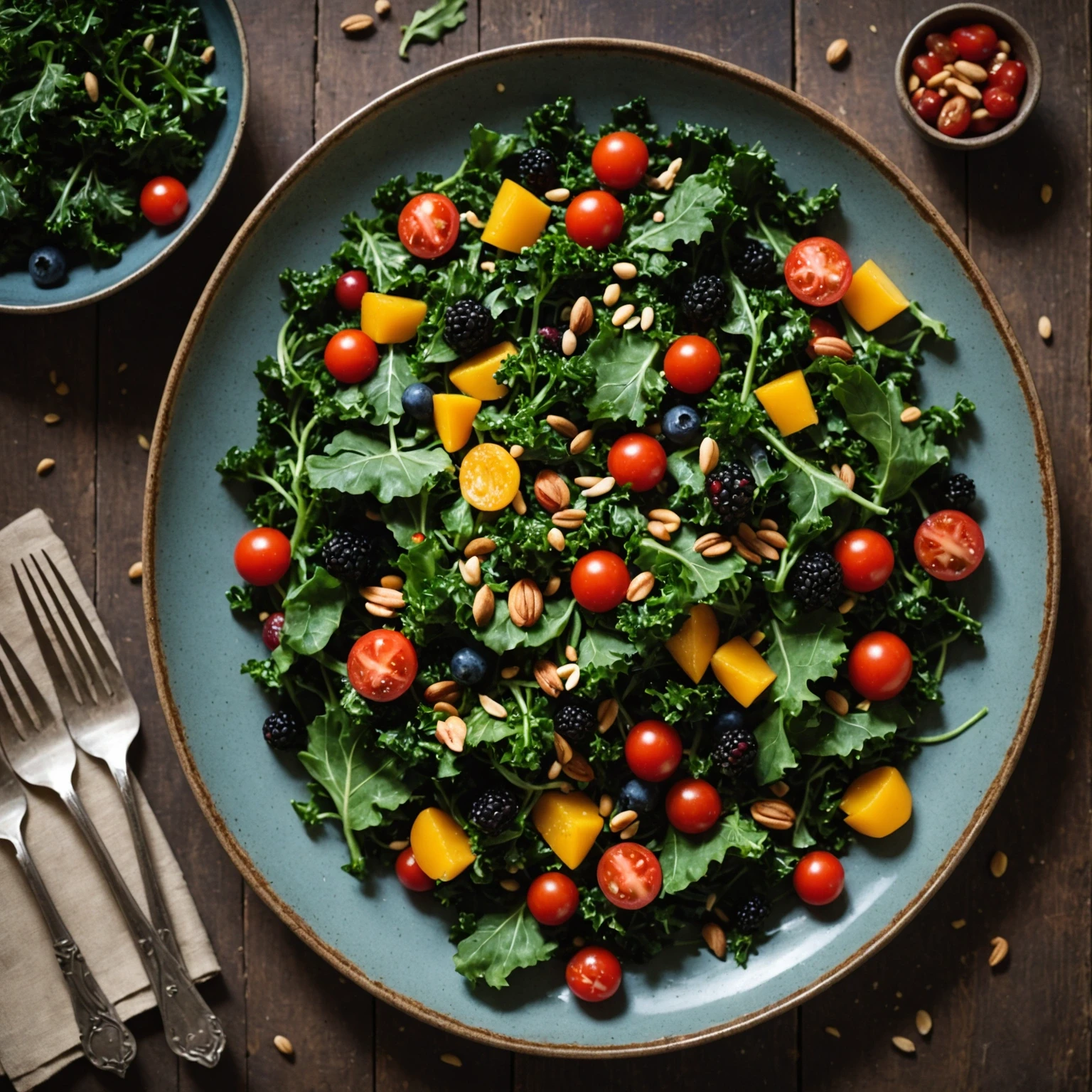
Choose produce that is firm, vibrant, and free from bruises or blemishes. Local farmer’s markets and cooperatives often provide fresher, more nutrient-packed options than typical supermarkets, ensuring better flavor and health benefits.
Proper storage helps preserve freshness and nutrition:
- Store root vegetables in a cool, dark place to maintain crispness.
- Rinse leafy greens, dry thoroughly, and wrap in paper towels to extend shelf life.
- Consume berries promptly or freeze with care to retain vitamins and taste.
By practicing mindful selection and storage, you reduce food waste and enjoy superfoods at their nutritional best.
Strategic Pairings to Boost Nutrition and Flavor
Combining seasonal superfoods thoughtfully enhances nutrient absorption and taste complexity. For example, pairing vitamin C-rich tomatoes with iron-containing leafy greens increases iron uptake, supporting energy and vitality.
Incorporate gluten-free grains, nuts, seeds, or legumes alongside seasonal superfoods to create well-rounded meals packed with protein, fats, and fiber—delivering satisfying and balanced nutrition.
Discover inspiration in recipes like the Gluten-Free Spiced Pear and Almond Crisp or Gluten-Free Roasted Butternut Squash and Sage Risotto, which highlight the use of seasonal superfoods in gluten-free cuisine.
Embrace Seasonal Superfoods for a Vibrant Gluten-Free Lifestyle
Adopting seasonal eating roots your gluten-free diet in natural food cycles, encouraging thoughtful choices while supporting local farmers and sustainability.
Let seasonal superfoods guide your meal planning to create a nutrient-rich, enjoyable diet that reflects the harvest’s rhythm year-round—promoting health, vitality, and flavorful variety without complexity.
Harness the power of nature’s seasonal bounty to cultivate balance, diversity, and wellness in your gluten-free living.