
Breakfast
Freeflourish
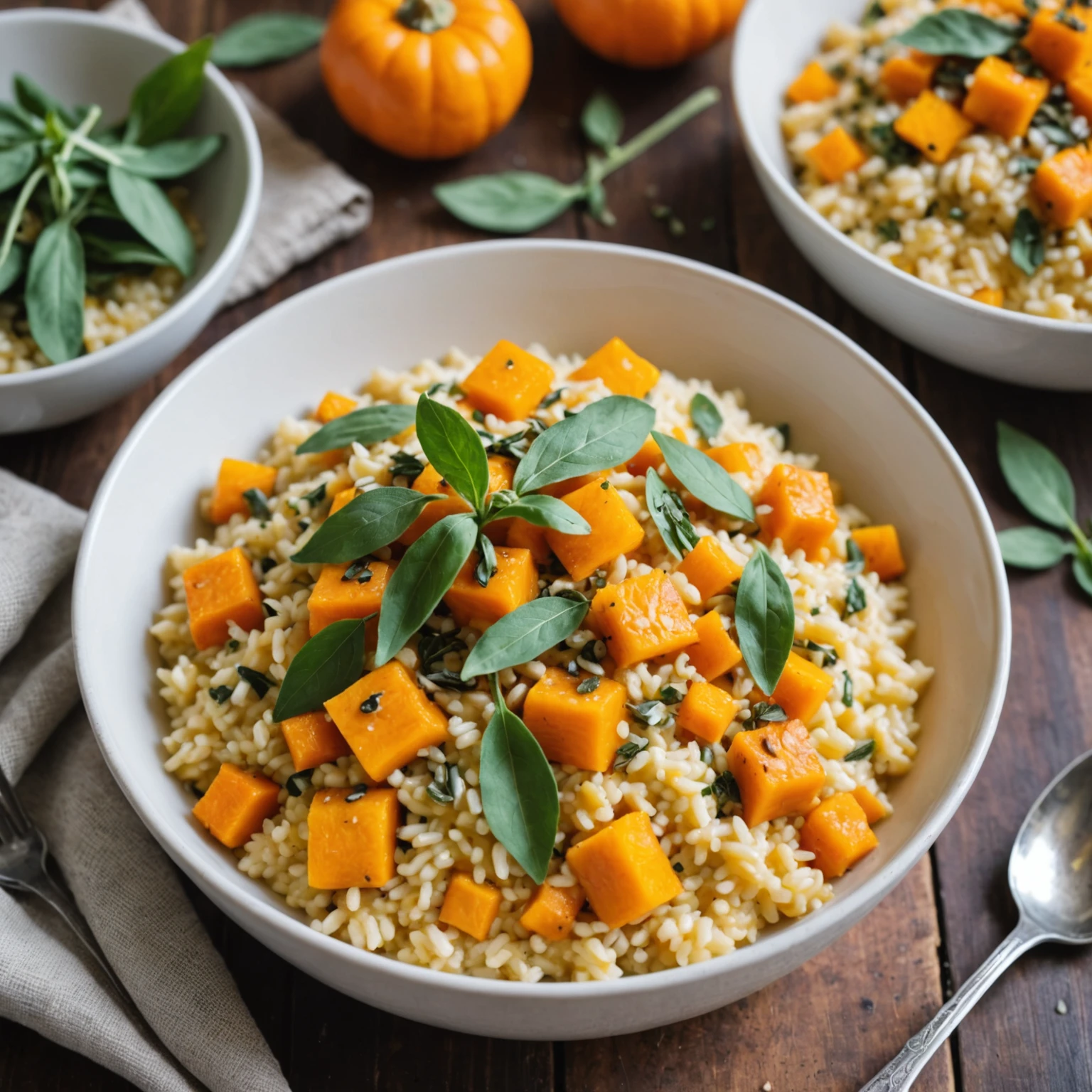
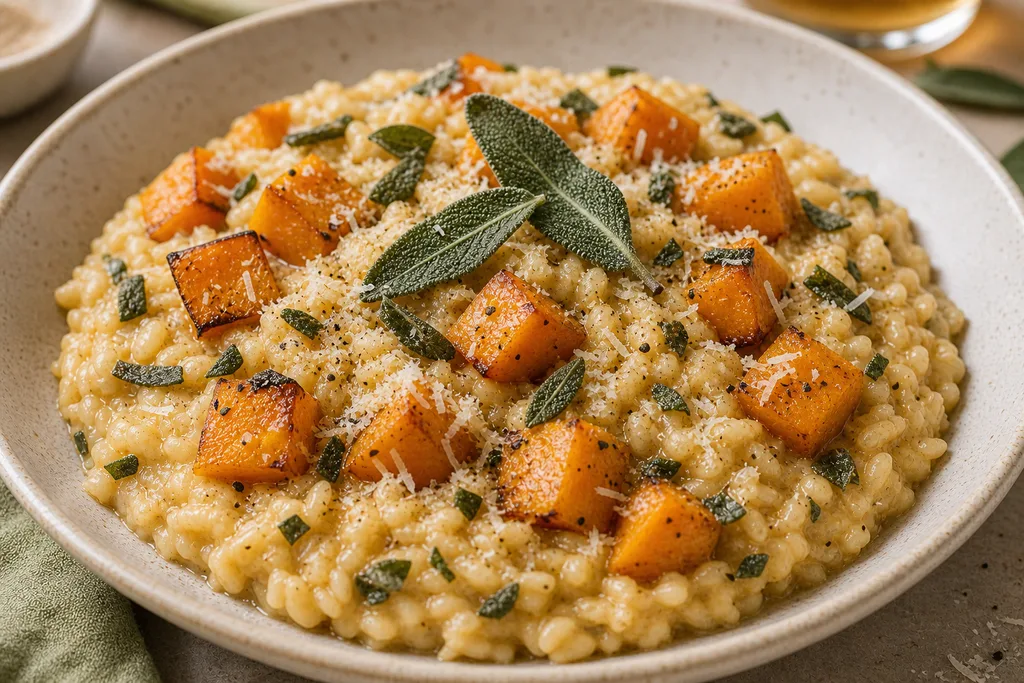
Gluten-Free Roasted Butternut Squash and Sage Risotto
Enjoy a creamy gluten-free risotto that highlights roasted butternut squash and fresh sage for a warm, comforting gluten-free dinner. This quick and easy Italian-inspired recipe is vegetarian, dairy-free optional, family-friendly, and ideal for fall and winter seasonal meals under 30 minutes.
Ingredients
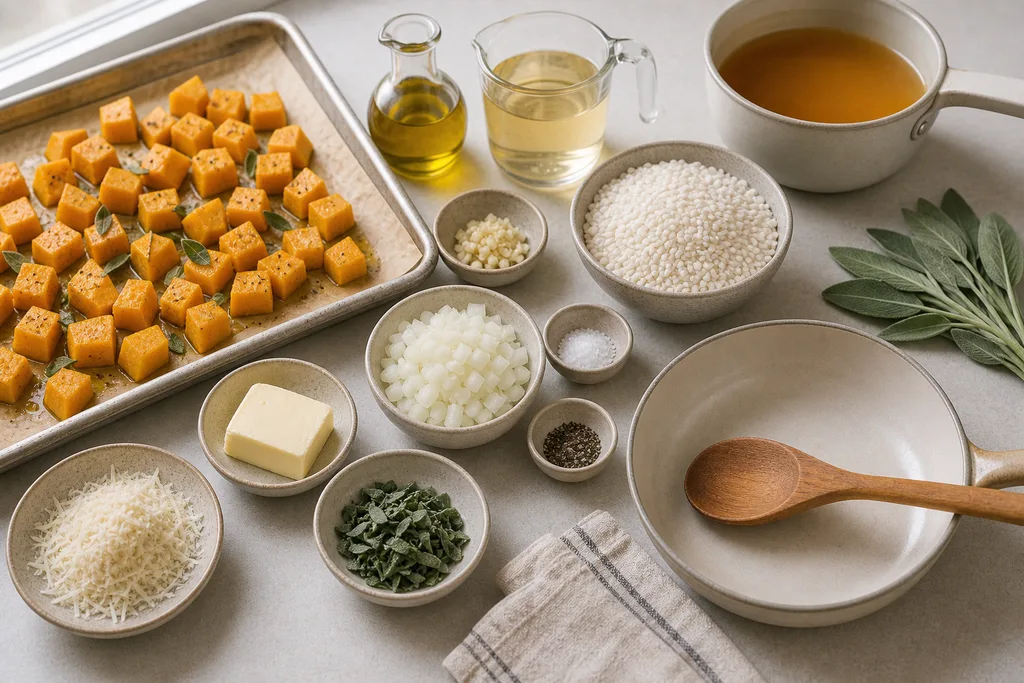
- 1 medium butternut squash (about 2 pounds), peeled, seeded, and cut into 1/2-inch cubes
- 2 tablespoons olive oil, divided
- Salt and freshly ground black pepper, to taste
- 1 small onion, finely chopped
- 2 cloves garlic, minced
- 1 1/2 cups Arborio rice
- 1/2 cup dry white wine (optional, or substitute with additional gluten-free broth)
- 4 cups vegetable broth, kept warm (ensure gluten-free)
- 1 tablespoon fresh sage leaves, chopped
- 2 tablespoons dairy-free butter or olive oil (for dairy-free option) or unsalted butter (optional)
- 1/4 cup grated Parmesan cheese or vegan Parmesan (optional)
- Fresh sage leaves, for garnish
Instructions
-
Preheat oven to 425°F (220°C). Toss the butternut squash cubes with 1 tablespoon olive oil, salt, and pepper on a baking sheet. Roast for 20 minutes, stirring once halfway through, until tender and lightly caramelized. Remove from oven and set aside.
-
In a large heavy-bottomed skillet or saucepan, heat the remaining 1 tablespoon olive oil over medium heat. Add the chopped onion and sauté until translucent, about 3-4 minutes.
-
Add the minced garlic and cook for another 30 seconds until fragrant.
-
Stir in the Arborio rice and cook for 1-2 minutes, stirring frequently, until the rice is well coated and slightly toasted.
-
Pour in the white wine (if using) and stir until mostly absorbed.
-
Add 1/2 cup of the warm vegetable broth to the rice, stirring continuously until the liquid is mostly absorbed. Continue adding the broth 1/2 cup at a time, stirring frequently and waiting until each addition is absorbed before adding the next. This process should take about 18-20 minutes, resulting in creamy, tender rice with a slight bite.
-
When the rice is nearly done, gently fold in the roasted butternut squash cubes and chopped fresh sage leaves. Cook for another 1-2 minutes to warm through and blend flavors.
-
Remove from heat. Stir in dairy-free butter or unsalted butter (if using), and Parmesan or vegan Parmesan cheese if desired. Adjust seasoning with additional salt and pepper to taste.
-
Serve warm, garnished with fresh sage leaves.
Frequently Asked Questions
Reader questions and answers for this recipe will appear here.
If you need to adjust this Gluten-Free Roasted Butternut Squash and Sage Risotto to suit dietary preferences or allergies, here are some easy ingredient swaps to ensure everyone can enjoy this comforting dish:
- Gluten-Free: This recipe is naturally gluten-free by using Arborio rice, but ensure your broth is also gluten-free certified.
- Dairy-Free: Use olive oil or a dairy-free butter alternative instead of unsalted butter. Substitute Parmesan cheese with vegan Parmesan or nutritional yeast for a cheesy flavor without dairy.
- Vegan: Omit unsalted butter and Parmesan cheese; instead, use plant-based butter and vegan Parmesan for richness and flavor.
- Vegetarian: The recipe already suits vegetarian diets when using vegetable broth instead of meat-based broth.
- Nut-Free: This dish does not contain nuts, so it’s safe for nut allergies as is.
- Low-Carb / Paleo / Whole30: Traditional Arborio rice is not compliant; consider substituting with cauliflower rice although texture and cooking time will vary significantly.
These substitutions maintain the delicious and comforting essence of this seasonal Italian-inspired main course while accommodating common dietary needs and preferences.
Allergen Overlap Note
Our gluten-free recipes on Freeflourish are crafted to be safe and delicious for those avoiding gluten. However, due to shared kitchen equipment and ingredient sourcing in many kitchens, there is a potential risk of cross-contact with gluten and other common allergens such as nuts, dairy, and soy.
To ensure safety when preparing gluten-free meals—especially within categories like Breakfast, Lunch, Dinner, Desserts, Snacks, Soups & Salads, Gluten-Free Baking, Quick & Easy, Family-Friendly, and Holiday & Seasonal—please follow these best practices:
- Use separate utensils, cutting boards, and cookware that are thoroughly cleaned before use.
- Verify that all packaged ingredients are labeled gluten-free and free from other allergens you may avoid (e.g., dairy-free, nut-free options).
- Avoid cross-contact by storing gluten-containing and allergen-containing foods separately.
- When cooking for those with severe allergies, consider dedicated prep areas and equipment.
- For recipes tagged with dairyfree, nutfree, vegan, and vegetarian, verify ingredient sources—many dairy-free butters and cheeses are made in facilities handling nuts or gluten.
By combining these safe cooking practices with the thoughtfully curated recipes and tags—such as glutenfree, dairyfreeoptions, nutfree, paleo, whole30, kidfriendly, and freezable—you can enjoy wholesome meals with peace of mind. If you have severe allergies or sensitivities, always consult ingredient labels and consider allergy testing when trying new recipes.
Texture Expectations
Gluten-free dishes, especially those like this roasted butternut squash and sage risotto, often have texture differences compared to their gluten-containing counterparts due to the absence of gluten's binding and structural properties.
For this risotto, expect a creamy and luscious texture achieved by the gradual absorption of warm broth into Arborio rice. Unlike many gluten-free grains, Arborio rice naturally provides a rich, velvety mouthfeel prized in risotto without relying on gluten.
The roasted butternut squash adds tender cubes offering a contrast: soft yet slightly firm, with caramelized edges that lend a subtle chew. Since it's gluten-free and vegetarian-friendly, this recipe avoids dense or gummy textures sometimes seen in gluten-free baked goods, maintaining a comforting yet light consistency.
Variations in texture can occur based on ingredient substitutions and cooking times. Using dairy-free butter alternatives may slightly alter the creaminess, producing a more delicate finish, while omitting cheese will reduce richness. Frequent stirring throughout cooking is crucial to develop the signature creamy risotto texture while preventing the rice from sticking or drying out.
Overall, this gluten-free risotto delivers a tender bite balanced by creamy smoothness and roasted vegetable softness — a comforting texture profile ideal for family-friendly and seasonal meals. It sets realistic expectations for those exploring gluten-free dinner options, demonstrating that while gluten-free dishes may have unique textures, they remain satisfying and delightful.
Dining With Non Gf Family Note
Preparing gluten-free meals in a household with non-gluten-free family members requires mindful practices to prevent cross-contamination and ensure everyone can enjoy delicious, safe food. Here are some key tips to help you coexist and create inclusive meals across categories like Breakfast, Lunch, Dinner, Desserts, Snacks, Soups & Salads, and Gluten-Free Baking:
- Separate Cooking Tools and Surfaces: Use dedicated utensils, cutting boards, pots, and pans for gluten-free cooking. If not possible, clean all surfaces and tools thoroughly before reuse.
- Store Ingredients Separately: Keep gluten-free flours, grains, and baking mixes in clearly labeled, sealed containers to avoid accidental mixing.
- Maintain a Clean Prep Area: Wipe down countertops and cooking areas before preparing gluten-free dishes to reduce the risk of contamination from crumbs or residues.
- Handle Shared Ingredients Carefully: Avoid using the same spoon or measuring cup for gluten-containing and gluten-free ingredients without washing in between.
- Inform and Educate Family Members: Share the importance of gluten-free cooking and potential risks of cross-contact with everyone involved in meal preparation or dining.
- Plan Family-Friendly, Quick & Easy Meals: Select recipes tagged as familyfriendly, easy, and quickrecipes that naturally support co-dining without compromising safety.
- Separate Serving Dishes: Serve gluten-free meals on separate plates or areas of the table to prevent crumbs or sauces from mixing during the meal.
- Label Special Foods Clearly: Use labels or designated containers, especially for desserts, snacks, or baked goods, to avoid confusion.
- Batch Cooking and Meal Prep: Consider preparing larger portions of gluten-free meals that can be refrigerated or frozen, tagged freezable and mealprep, ready to serve without last-minute complications.
With careful planning and communication, you can enjoy comforting, seasonal, and holiday meals together—whether it’s a quick 30minutesorless soup, a wholesome maincourse, or an indulgent gluten-free dessert—ensuring safety and enjoyment for all.
Related Articles
Read related air fryer guides and cooking tips.
More Recipes
Explore more recipes you may like.
Reviews
Rate this recipe and share a photo of your result.
No reviews yet.
Save this recipe
Log in to keep this recipe in your favorites.
Reset password Register