 Freeflourish
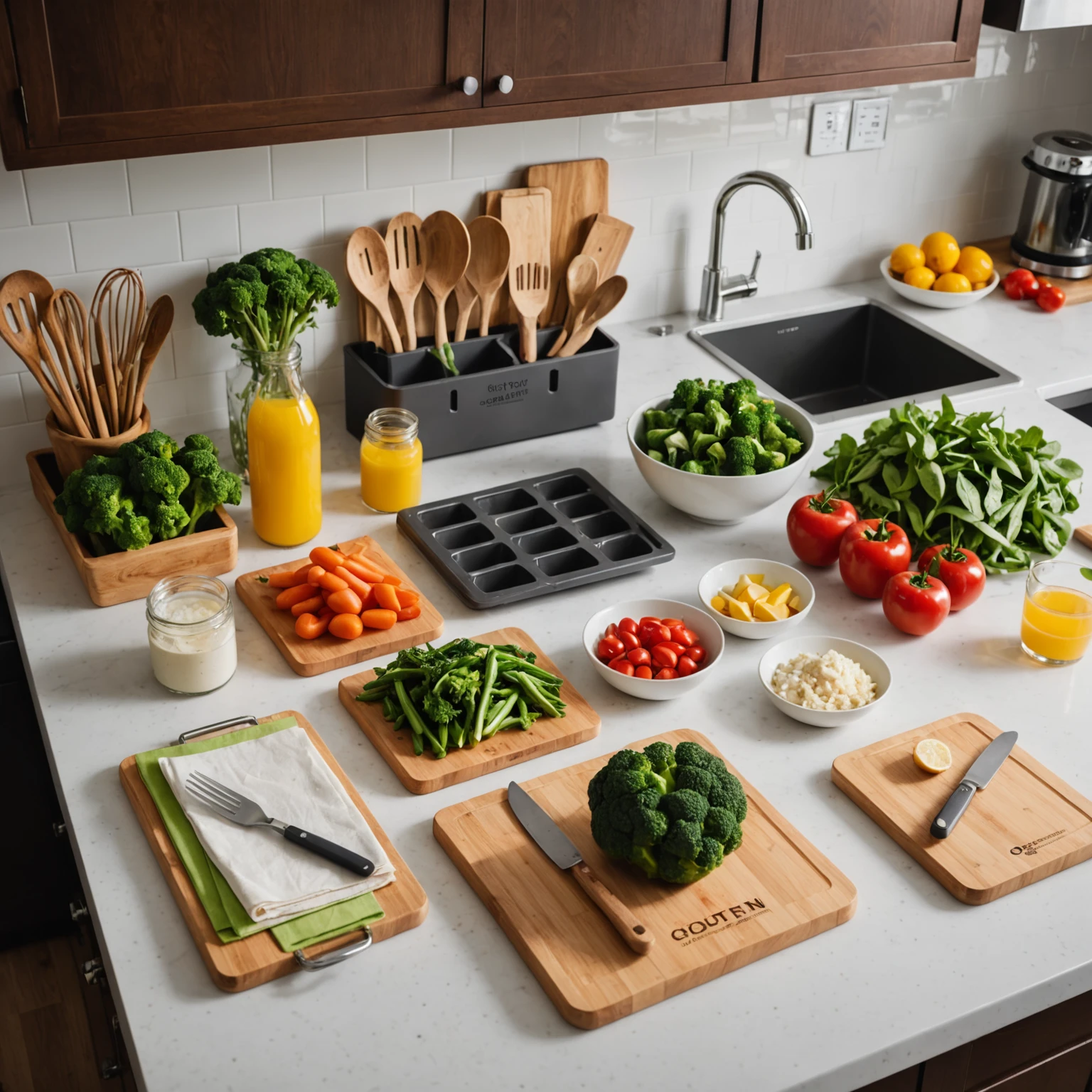
Maintaining a safe dietary lifestyle extends beyond selecting the right foods — it demands a clear understanding of cross-contamination risks and how to avoid them. Cross-contamination occurs when allergens like gluten or other proteins unintentionally transfer between foods or surfaces, posing serious health concerns for individuals with allergies or intolerances. This comprehensive guide provides actionable strategies to reduce contamination risks at home, in shared kitchen environments, and while dining out.
Understanding Cross-Contamination: Key Risks to Recognize
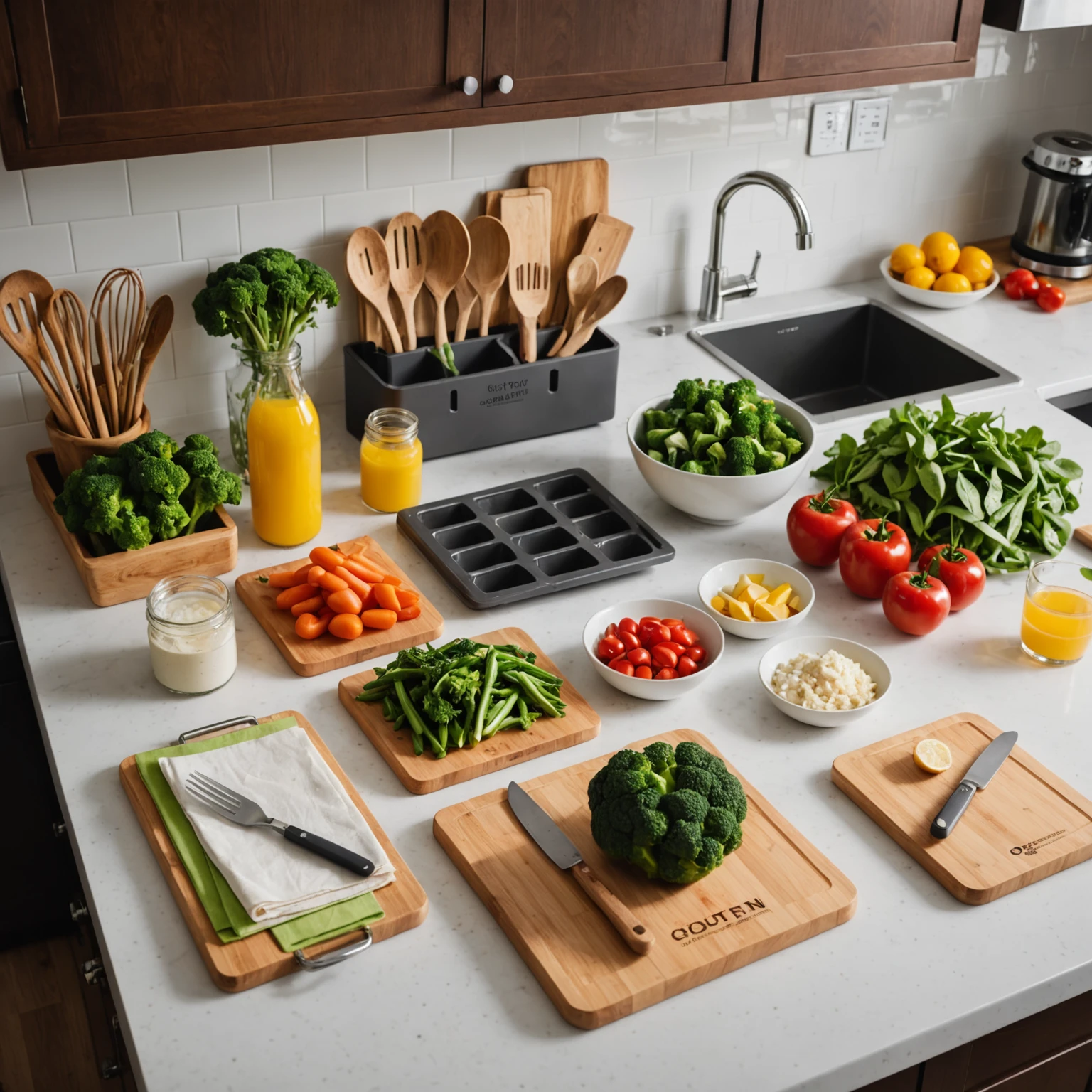
Cross-contamination often arises through shared utensils, cutting boards, cookware, or contact with contaminated surfaces and hands. Even trace amounts of allergens can trigger severe reactions in sensitive individuals. Identifying common contamination sources — including prep areas, storage spaces, and serving dishes — is essential to maintaining a safe eating environment.
Best Practices for Managing Shared Kitchens Safely

Shared kitchens need diligent controls to prevent allergen transfer. Consider these critical measures:
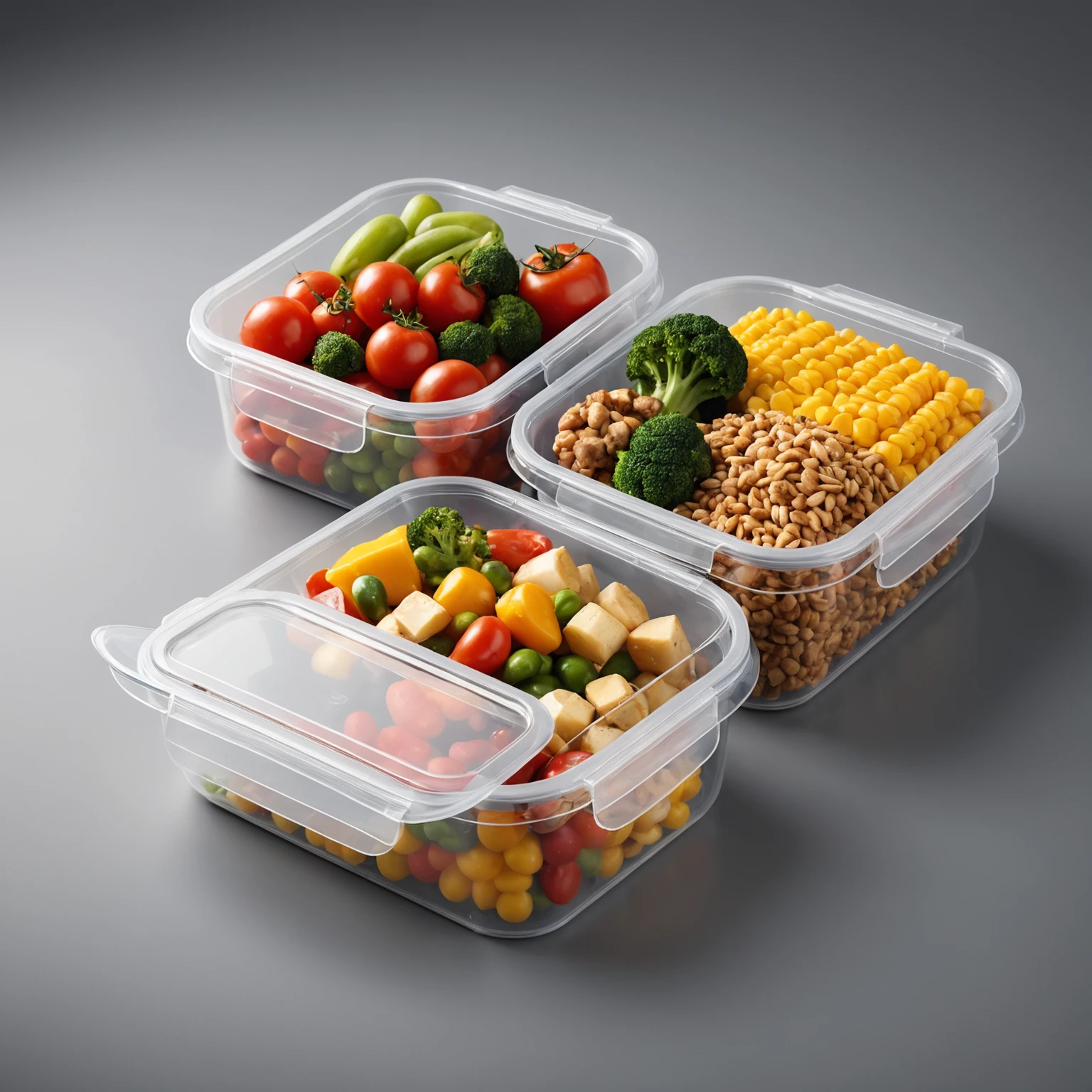
- Dedicated Tools and Equipment: Use exclusive utensils, cutting boards, baking sheets, and storage containers for practical food preparation. Clearly label these items to prevent accidental mixing.
- Thorough Cleaning Protocols: Clean all surfaces and tools meticulously with hot, soapy water and approved sanitizers after every use. Pay special attention to crumbs and food residues.
- Separate Storage Areas: Physically segregate practical ingredients from allergen-containing products to minimize contact.
- Strict Personal Hygiene: Wash hands carefully before and after handling allergenic foods to avoid cross-contact.
Meal Preparation Techniques to Minimize Contamination

Implement these practical tips during food preparation:
- Organized Workflow: Start with practical foods before handling allergenic ingredients to reduce contamination chances.
- Color-Coded Equipment: Adopt color-coded cutting boards and utensils to visually distinguish practical tools.
- Batch Cooking: Prepare larger quantities of practical meals at once to lessen switching between allergen and non-allergen foods.
Effective Strategies for Safe Dining Out
Dining away from home introduces unique contamination challenges. To stay safe:
- Select Allergy-Conscious Restaurants: Choose establishments with clear allergy policies and a strong commitment to managing dietary restrictions.
- Communicate Your Needs Clearly: Discuss your dietary requirements explicitly with restaurant staff and inquire about ingredient handling and preparation methods.
- Opt for Simplified Orders: Select menu items with fewer ingredients or customizable options to lower cross-contact risks.
Enjoying Delicious and Safe Meals
Preventing cross-contamination does not mean compromising on taste. Allergy-conscious cooking can deliver flavorful and satisfying meals. For instance, enjoy rich, comforting options like the Gluten-Free Pumpkin Spice Breakfast Bars or hearty dishes such as Gluten-Free Sweet Potato Chickpea Patties that are crafted to be safe and delicious.
Empower Your Dietary Lifestyle with Confidence
By consistently recognizing cross-contamination risks and applying these practical strategies, you can confidently enjoy meals that respect your dietary needs. Whether at home or dining out, maintaining vigilant habits ensures that your lifestyle remains both safe and fulfilling, grounded in informed choices and proactive care.