Breakfast
Freeflourish
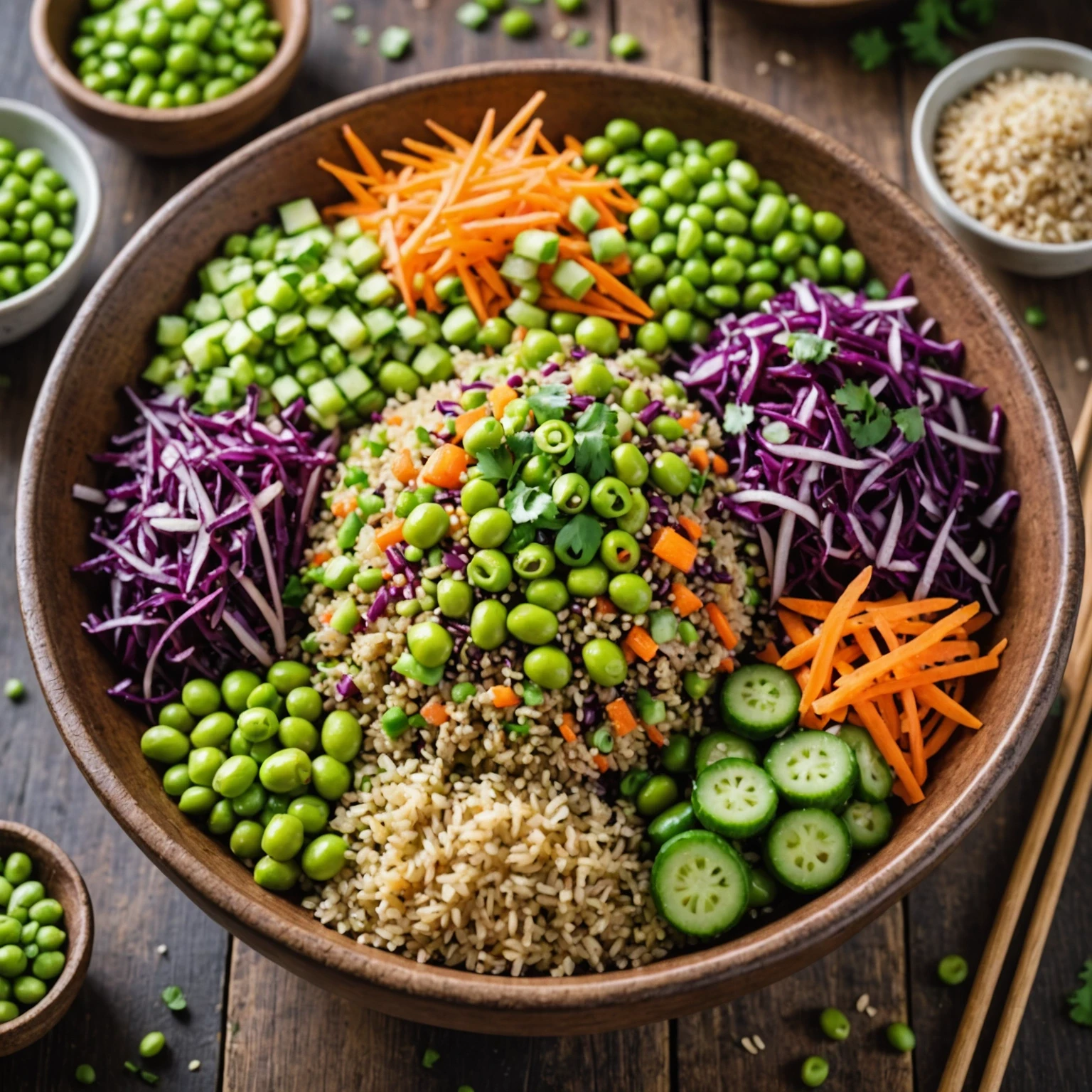
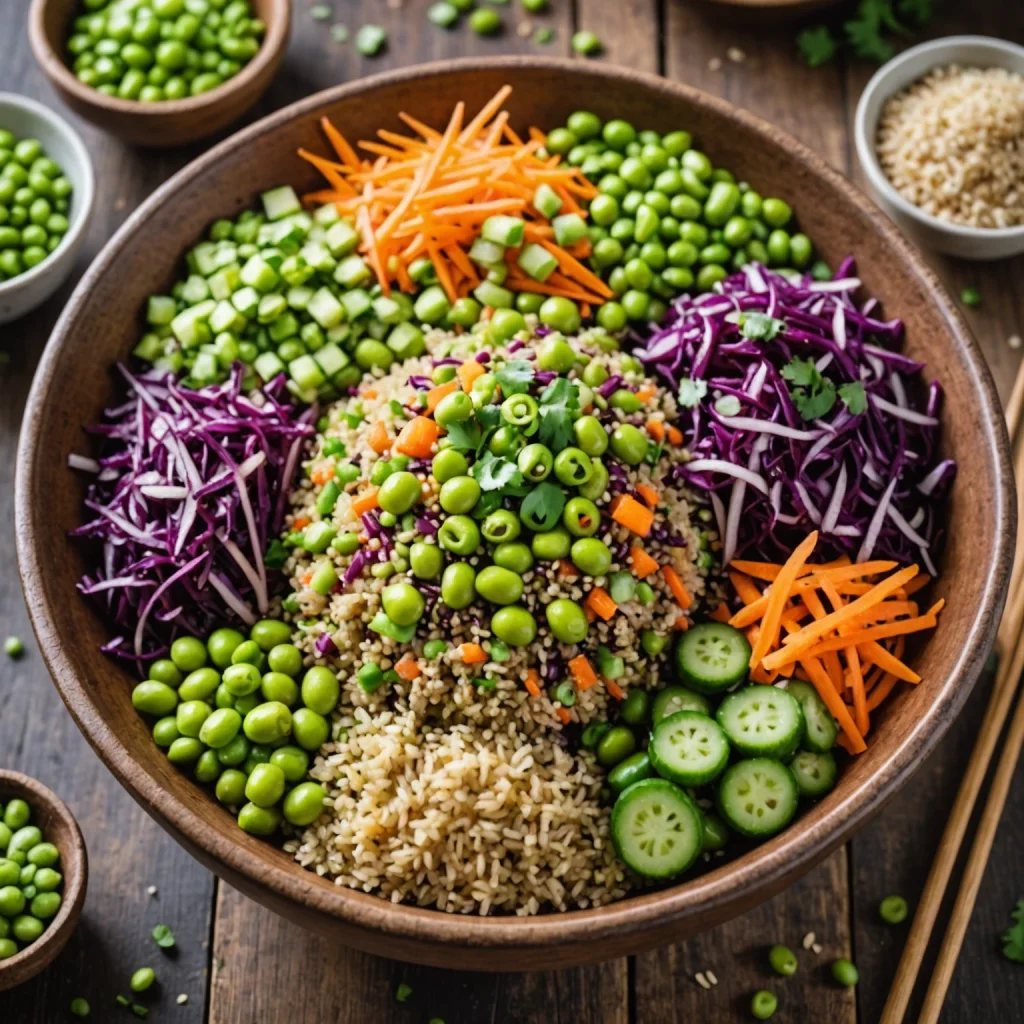
Gluten-Free Quick & Easy Vegan Edamame and Quinoa Salad with Sesame Dressing
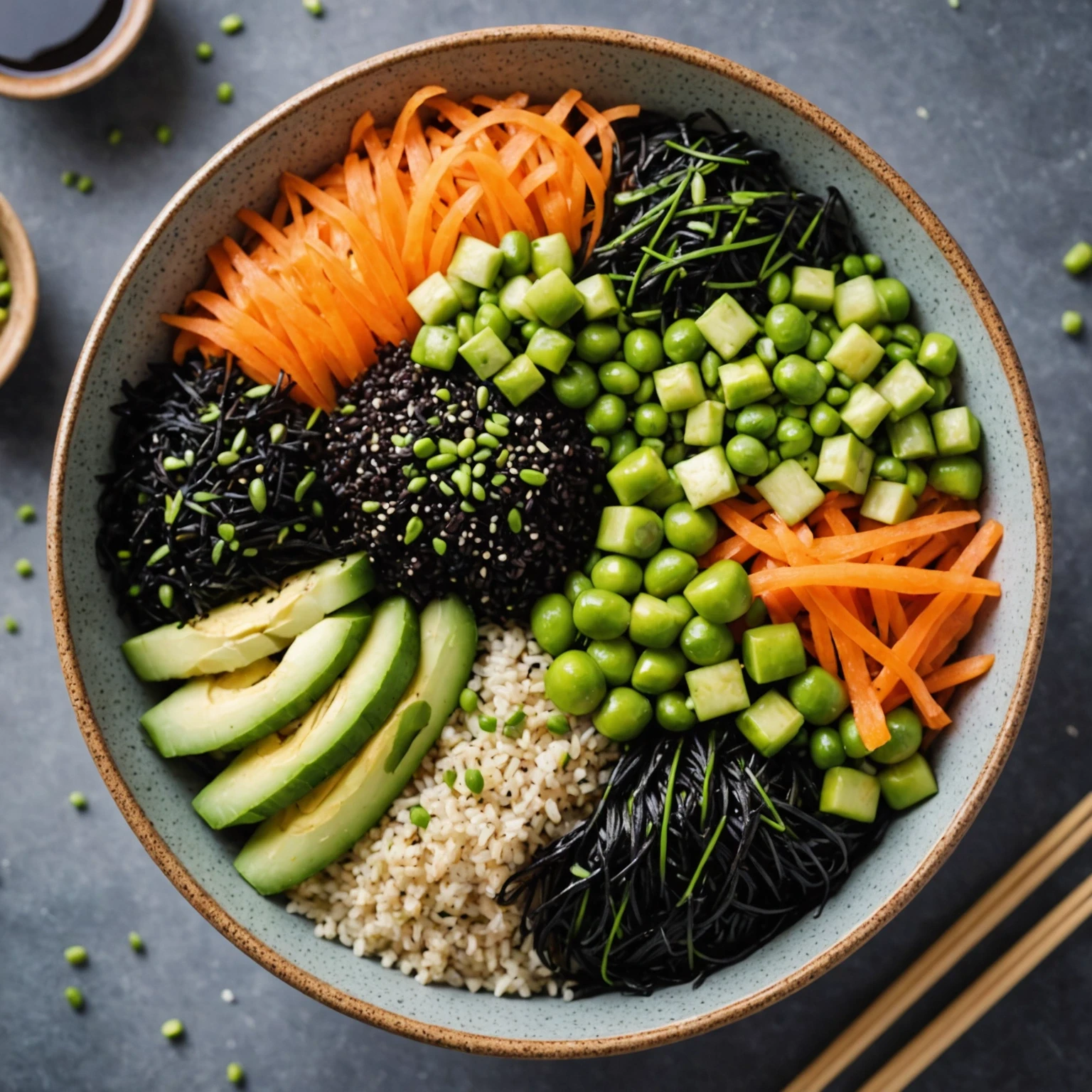
This quick and easy Asian-inspired gluten-free salad combines protein-rich edamame and quinoa, tossed in a tangy sesame dressing. Naturally vegan and dairy-free, it's a nutritious and flavorful meal prep option or a refreshing family-friendly lunch or dinner.
Ingredients
- 1 cup quinoa, rinsed well
- 2 cups water
- 1 1/2 cups shelled edamame (fresh or frozen)
- 1 cup shredded red cabbage
- 1 medium carrot, julienned or shredded
- 1/2 cup chopped cucumber
- 3 green onions, thinly sliced
- 2 tablespoons toasted sesame seeds
- 1/4 cup chopped fresh cilantro (optional)
- 3 tablespoons gluten-free tamari or soy sauce alternative
- 1 1/2 tablespoons toasted sesame oil
- 2 tablespoons rice vinegar
- 1 tablespoon maple syrup or agave nectar
- 1 teaspoon freshly grated ginger
- 1 clove garlic, minced
- 1/2 teaspoon chili flakes (optional, adjust to taste)
Instructions
-
Cook the quinoa: In a medium saucepan, combine rinsed quinoa and water. Bring to a boil over medium-high heat, then reduce heat to low, cover, and simmer for about 15 minutes or until all water is absorbed and quinoa is fluffy. Remove from heat and let it rest covered for 5 minutes, then fluff with a fork.
-
Cook edamame: While quinoa cooks, steam or boil edamame according to package instructions if frozen. Drain and cool slightly.
-
Prepare the dressing: In a small bowl, whisk together gluten-free tamari, toasted sesame oil, rice vinegar, maple syrup, grated ginger, minced garlic, and chili flakes until well combined.
-
In a large mixing bowl, combine cooked quinoa, edamame, shredded cabbage, carrot, cucumber, and green onions.
-
Pour the sesame dressing over the salad and toss thoroughly to coat all ingredients evenly.
-
Sprinkle toasted sesame seeds and chopped cilantro over the top and gently mix.
-
Taste and adjust seasoning if needed, adding more tamari or vinegar to preference.
-
Serve immediately or refrigerate for up to 3 days as a delicious meal prep option.
Frequently Asked Questions
Reader questions and answers for this recipe will appear here.
This naturally gluten-free, vegan, and dairy-free quinoa and edamame salad is easily adaptable to meet various dietary needs and ingredient availability. Some substitutions include:
- Quinoa: Substitute with millet or brown rice for different gluten-free grain options.
- Edamame: Replace with cooked chickpeas or shelled green peas for nut-free, high-protein alternatives.
- Toasted Sesame Oil: Use toasted walnut oil or grapeseed oil if avoiding sesame (nutfree).
- Gluten-Free Tamari: Swap with coconut aminos for a lower-sodium, paleo-friendly choice.
- Maple Syrup/Agave Nectar: Try honey for a paleo and whole30-approved sweetener (if not strictly vegan).
- Fresh Ginger and Garlic: Ground ginger and garlic powder work well for quick & easy prep when fresh is unavailable.
- Sesame Seeds: Omit or substitute toasted sunflower or pumpkin seeds for nut- and seed-free options suitable for kidfriendly and nutfree diets.
These swaps maintain flavor while aligning with dietary restrictions, ensuring a healthy, family-friendly, budget-conscious meal option.
Allergen Overlap Note
While our recipes in the Gluten-Free category are designed to eliminate gluten and accommodate dietary preferences including vegan, dairy-free, nut-free, and paleo options, it’s important to practice caution to avoid allergen cross-contamination.
Allergen Risks: Even within gluten-free recipes spanning Breakfast, Lunch, Dinner, Desserts, Snacks, Soups & Salads, Gluten-Free Baking, Quick & Easy, Family-Friendly, and Holiday & Seasonal categories, shared cookware and countertops can cause unintended exposure to gluten, nuts, dairy, or other allergens.
Safe Cooking Practices:
- Use separate utensils, cutting boards, and cookware dedicated exclusively to gluten-free and allergen-safe preparation.
- Check ingredient labels carefully to confirm certification as gluten-free and free of relevant allergens.
- Substitute ingredients thoughtfully, such as using gluten-free tamari instead of regular soy sauce.
- Thoroughly clean all work surfaces before and after cooking to minimize contamination risk.
- Store gluten-free ingredients separately to prevent accidental mixing.
By following these precautions, you can enjoy our extensive selection of gluten-free recipes confidently—whether preparing family-friendly dinners, quick snacks, or festive holiday classics.
Texture Expectations
When enjoying gluten-free recipes like this vibrant Edamame and Quinoa Salad, it’s helpful to understand that textures differ from tradition gluten-containing dishes due to the lack of wheat gluten’s elasticity and structure.
Grains and Legumes: Quinoa offers a tender yet slightly chewy texture with distinct grains, providing a pleasant bite without clumping. Edamame contributes firm, slightly creamy bursts that balance the quinoa’s softness.
Vegetables: Fresh shredded cabbage, carrots, cucumbers, and green onions add crispness and contrast, enhancing the refreshing mouthfeel of this salad.
Dressing: The sesame-based dressing coats ingredients smoothly without heaviness, melding flavors while preserving textural variety.
Variations to Expect: Unlike gluten-containing baked goods or doughs, gluten-free grains and legumes in salads remain more separate and less sticky or elastic. For gluten-free baked treats on Freeflourish, texture ranges from crumbly and tender to moist and dense depending on ingredients like almond flour or tapioca starch. Soups, snacks, and main dishes often highlight whole-food textures—from crisp vegetables to hearty legumes and grains—for satisfying variety.
Understanding these texture profiles enhances your enjoyment and sets expectations when trying gluten-free meals, whether quick and easy dishes or more elaborate seasonal classics.
Dining With Non Gf Family Note
Preparing gluten-free meals in a household with non-gluten-free family members can be easy and safe with mindful practices. Here are practical tips to avoid cross-contamination and ensure everyone enjoys delicious dishes from categories like Breakfast, Lunch, Dinner, Desserts, Snacks, Soups & Salads, Gluten-Free Baking, and beyond:
- Separate cooking tools and surfaces: Use dedicated cutting boards, utensils, and cookware for gluten-free food. Avoid shared toaster slots or colanders unless thoroughly cleaned.
- Clear labeling: Mark gluten-free ingredients and dishes clearly to prevent mix-ups during meal prep or serving.
- Cook gluten-free foods first: When using the same appliances, prepare gluten-free items before gluten-containing ones to minimize airborne flour contamination.
- Thorough cleaning: Clean all surfaces, hands, and equipment carefully before and after handling gluten-containing foods.
- Avoid shared condiments: Use separate containers or serve condiments on the side to keep gluten-free meals uncontaminated.
- Educate and communicate: Ensure all household members understand the importance of keeping gluten-free meals safe for those with sensitivities or celiac disease.
Following these simple yet effective steps supports safe, harmonious meal times where everyone can enjoy flavorful dishes—including those tagged glutenfree, dairyfree, nutfree, vegan, familyfriendly, and quickrecipes—without worry.
Related Articles
Read related air fryer guides and cooking tips.
More Recipes
Explore more recipes you may like.
Reviews
Rate this recipe and share a photo of your result.
No reviews yet.
Save this recipe
Log in to keep this recipe in your favorites.
Reset password Register