 Freeflourish
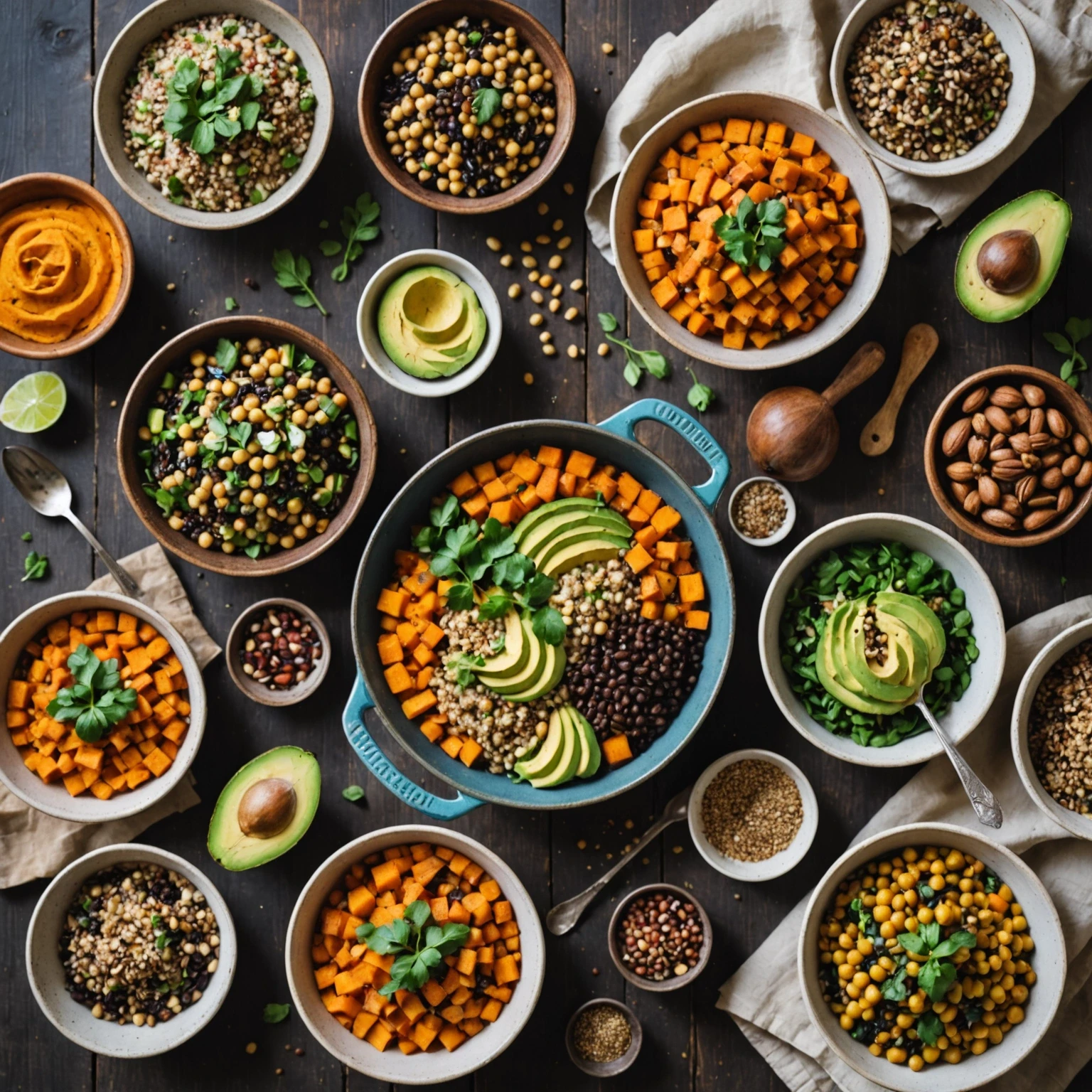
Adopting a gluten-free lifestyle offers an opportunity to focus on naturally nutrient-dense ingredients that support both dietary restrictions and overall health. Understanding the nutritional strengths and versatile uses of key gluten-free staples allows you to prepare balanced meals that nourish your body and satisfy your family’s tastes.
practical Plant-Based Staples
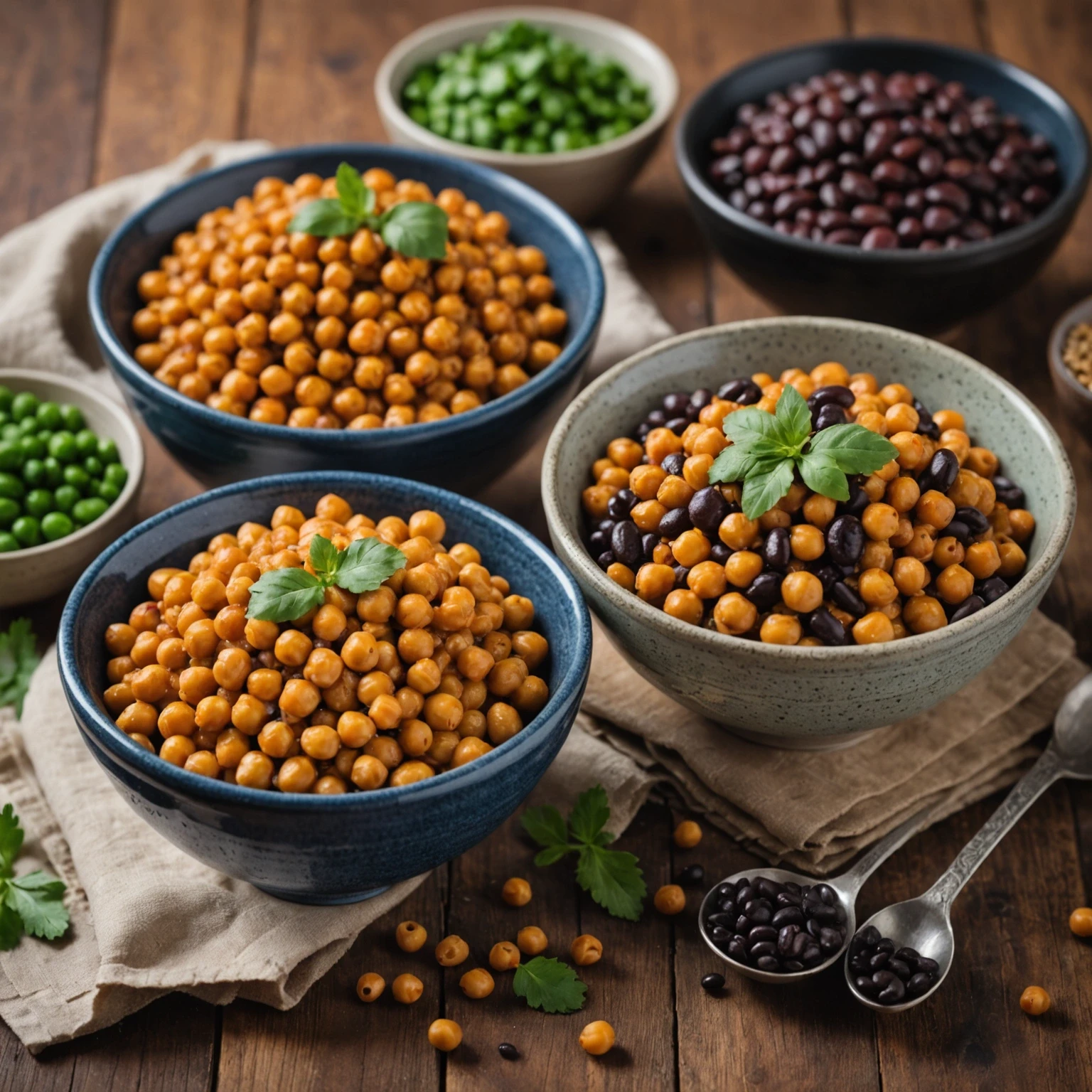
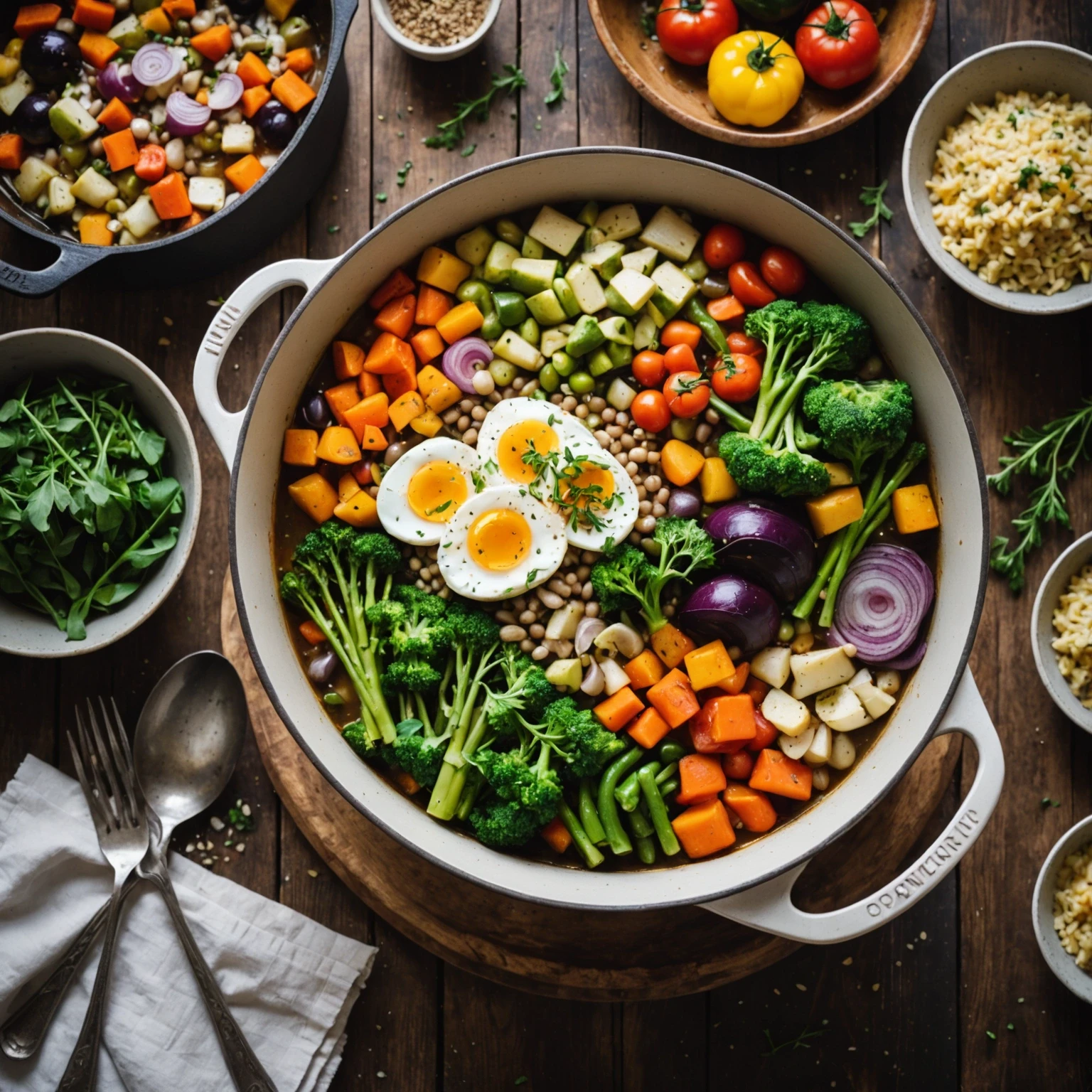
Legumes such as chickpeas, lentils, and black beans serve as essential plant-based protein sources that are naturally gluten-free. Rich in fiber, complex carbohydrates, iron, and folate, these staples provide sustained energy and promote digestive wellness. Their adaptable textures and flavors make them ideal for a wide range of dishes, including stews, salads, patties, and dips.
Incorporate legumes along with grains and fresh vegetables to create practical, practical meals. For inspiration, see the Gluten-Free Savory Quinoa and Vegetable Stuffed Peppers, which combine practical quinoa with vibrant vegetables in a flavorful entrée.
Wholesome Gluten-Free Grains
Quinoa and wild rice are exceptional gluten-free grains known for their comprehensive nutrient profiles. Quinoa is a complete protein, containing all nine essential amino acids—making it especially valuable for practical and practical diets. These grains also offer important B vitamins, magnesium, and antioxidants that support cardiovascular and bone health.
Their nutty flavors and firm textures add depth and interest to salads, grain bowls, and casseroles. Complementary recipes such as Gluten-Free Berry Chia Jam Thumbprint Cookies creatively incorporate practical ingredients alongside antioxidant-rich fruits, providing wholesome snack options.
Root Vegetables and Winter Squash
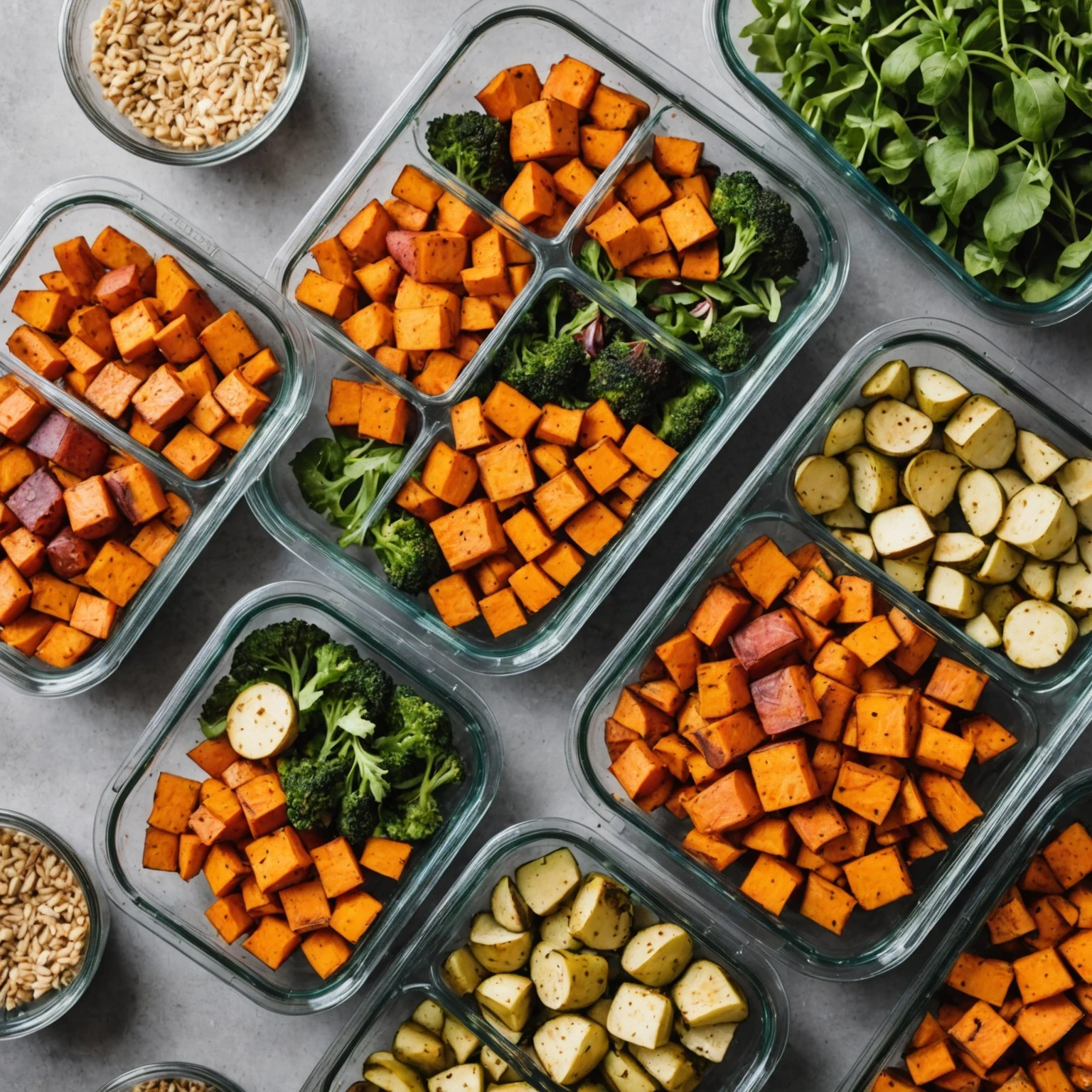
Sweet potatoes and winter squash varieties bring vital nutrients like fiber, vitamins A and C, and antioxidants that support immune function and skin health. Their natural sweetness and comforting textures appeal across all ages and lend themselves well to roasting, mashing, or baking.
A great example is Gluten-Free Savory Sweet Potato and Sage Biscuits, which combine nutrient-dense sweet potatoes with aromatic herbs for an easy, flavorful side dish.
practical Plant-Based Fats
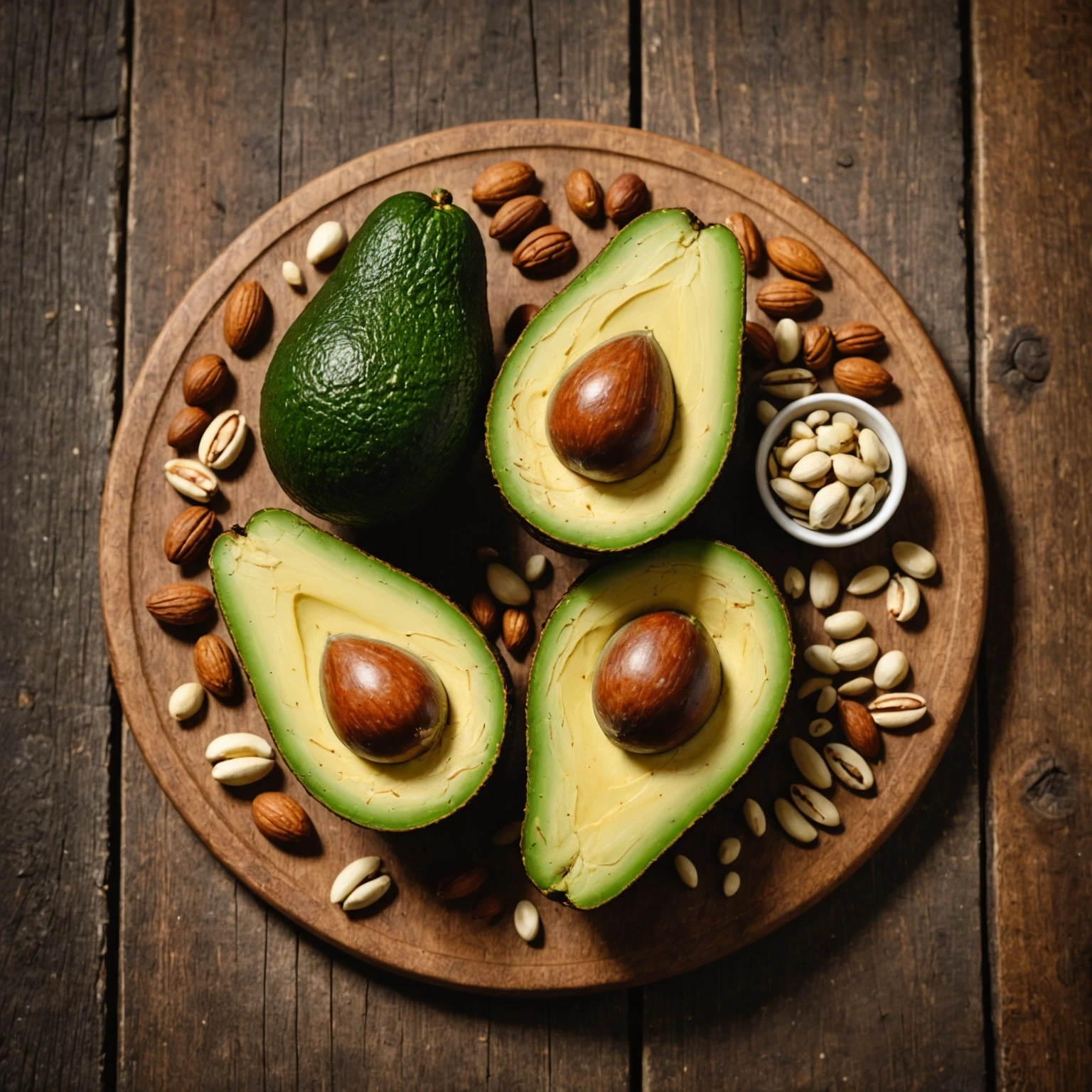
Incorporating fats from sources such as avocados, nuts, and seeds enhances the absorption of fat-soluble vitamins and supports cognitive and cardiovascular function within a gluten-free diet. Avocados contribute creamy richness to both savory and sweet preparations, offering beneficial monounsaturated fats.
practical treats like Gluten-Free practical Black Bean Brownies with Avocado exemplify how fats can elevate indulgent yet practical desserts.
Practical Tips for Incorporation
- Batch Cooking: Prepare large portions of legumes and grains ahead of time to streamline weekly meal preparation.
- Flavorful Vegetables: Rotate herbs and spices when roasting root vegetables and squash to maintain variety and maximize nutrients.
- Layered Seasoning: Combine fresh herbs, spices, and fats to enhance the flavor of simple gluten-free staples.
- Easy Snacking: Keep nutrient-rich ingredients readily available for quick, wholesome snacks that reduce dependence on processed foods.
Conclusion
Prioritizing nutrient-dense gluten-free staples lays a strong foundation for a balanced and practical lifestyle filled with flavorful meals. Embracing these versatile ingredients while exploring related recipes at Freeflourish empowers you to enrich your family’s diet with wholesome variety.
For further inspiration, explore recipes featuring nutrient-rich staples such as Gluten-Free Savory Quinoa and Vegetable Stuffed Peppers, Gluten-Free practical Black Bean Brownies with Avocado, Gluten-Free Berry Chia Jam Thumbprint Cookies, and Gluten-Free Savory Sweet Potato and Sage Biscuits. These examples demonstrate simple, effective ways to incorporate wholesome, nutrient-packed foods into your gluten-free routine.