 Freeflourish
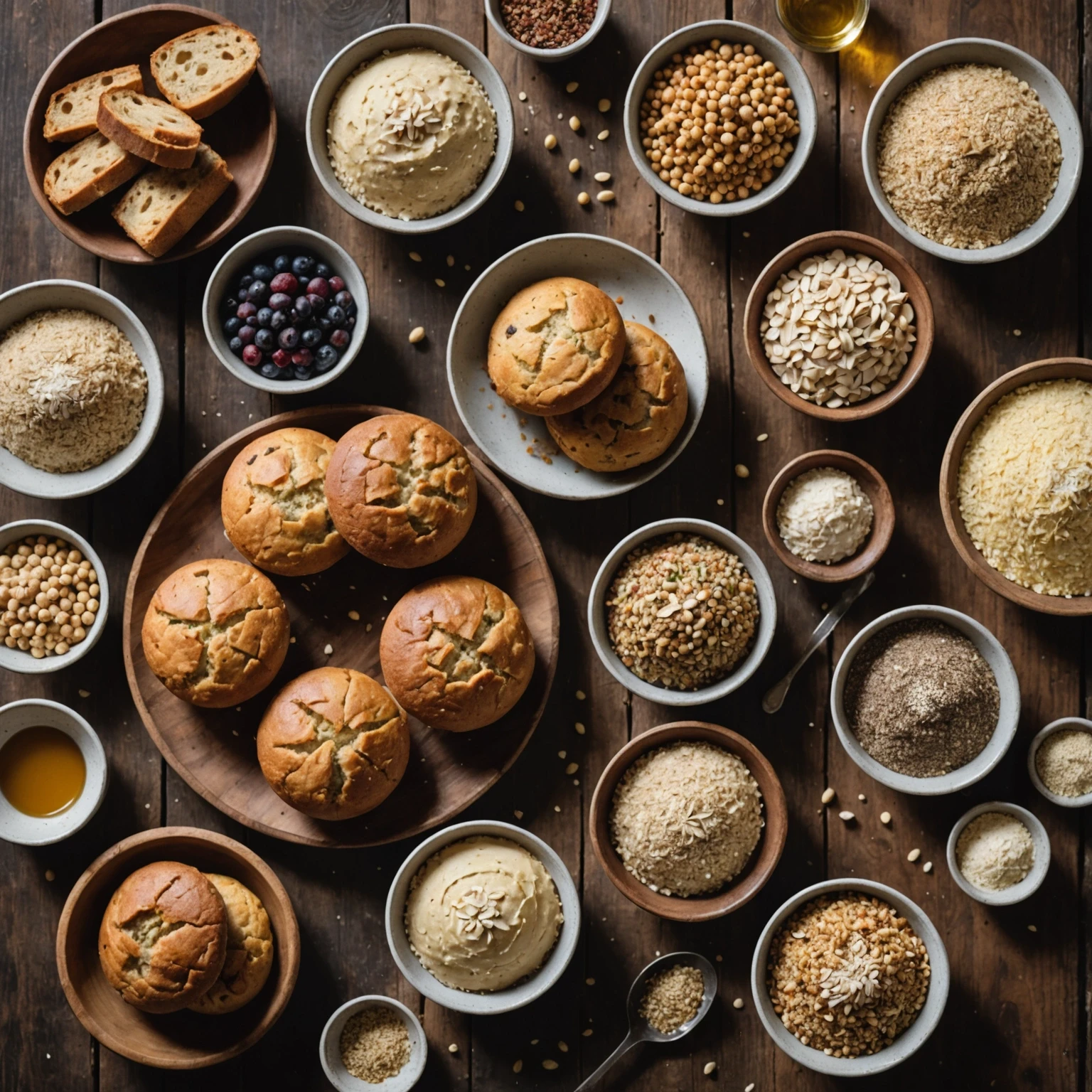
Expanding the Scope of Gluten-Free Baking
Gluten-free baking has evolved far beyond basic flour substitutions, inviting greater creativity and exploration. By using a wider range of gluten-free flours and experimenting with novel flavor combinations, you can produce baked goods that are flavorful, textured, and suitable for numerous occasions.
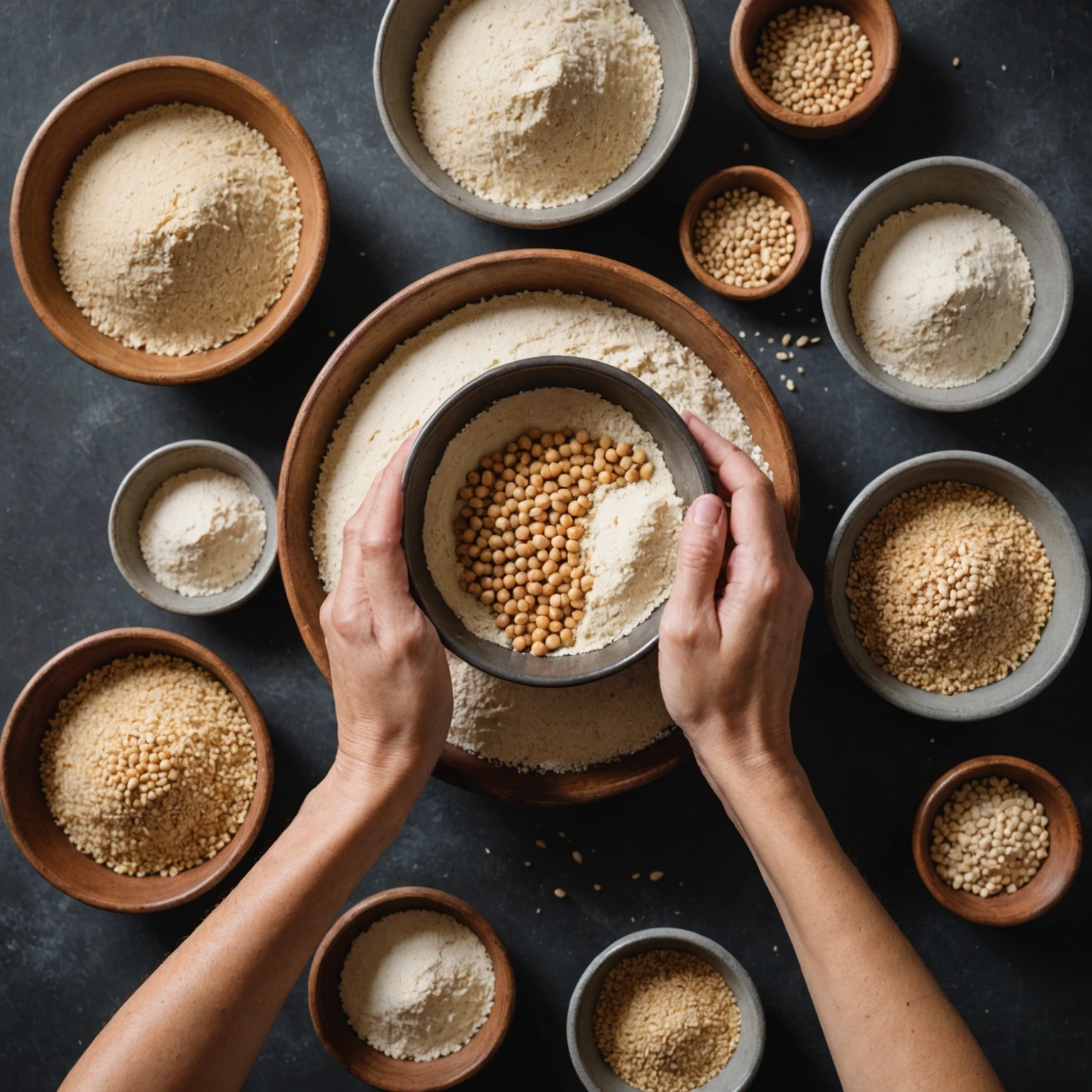
Diverse Gluten-Free Flour Options to Enhance Baking
While staples like rice and almond flour remain popular, integrating less common flours can significantly improve the nutritional profile and texture of gluten-free baked items. Consider incorporating these:
- Chickpea Flour: Provides a rich, nutty flavor and excellent binding properties, ideal for savory breads and snacks.
- Cassava Flour: A practical option with neutral taste and wheat-like elasticity suitable for various recipes.
- Quinoa Flour: Offers a subtle earthy tone and protein enrichment, enhancing muffins and breads.
- Coconut Flour: High in fiber with a mild sweetness, it helps retain moisture and adds density.
Combining multiple flours in precise ratios enables control over crumb structure, moisture levels, and overall texture, making your baked goods more satisfying.
Innovative Flavor Combinations for Unique Gluten-Free Baked Goods
Moving beyond practical tastes can elevate gluten-free baking to new heights. Experiment with:
- Savory herbs such as rosemary or thyme paired with root vegetables like carrot or beet for enriched breads and biscuits.
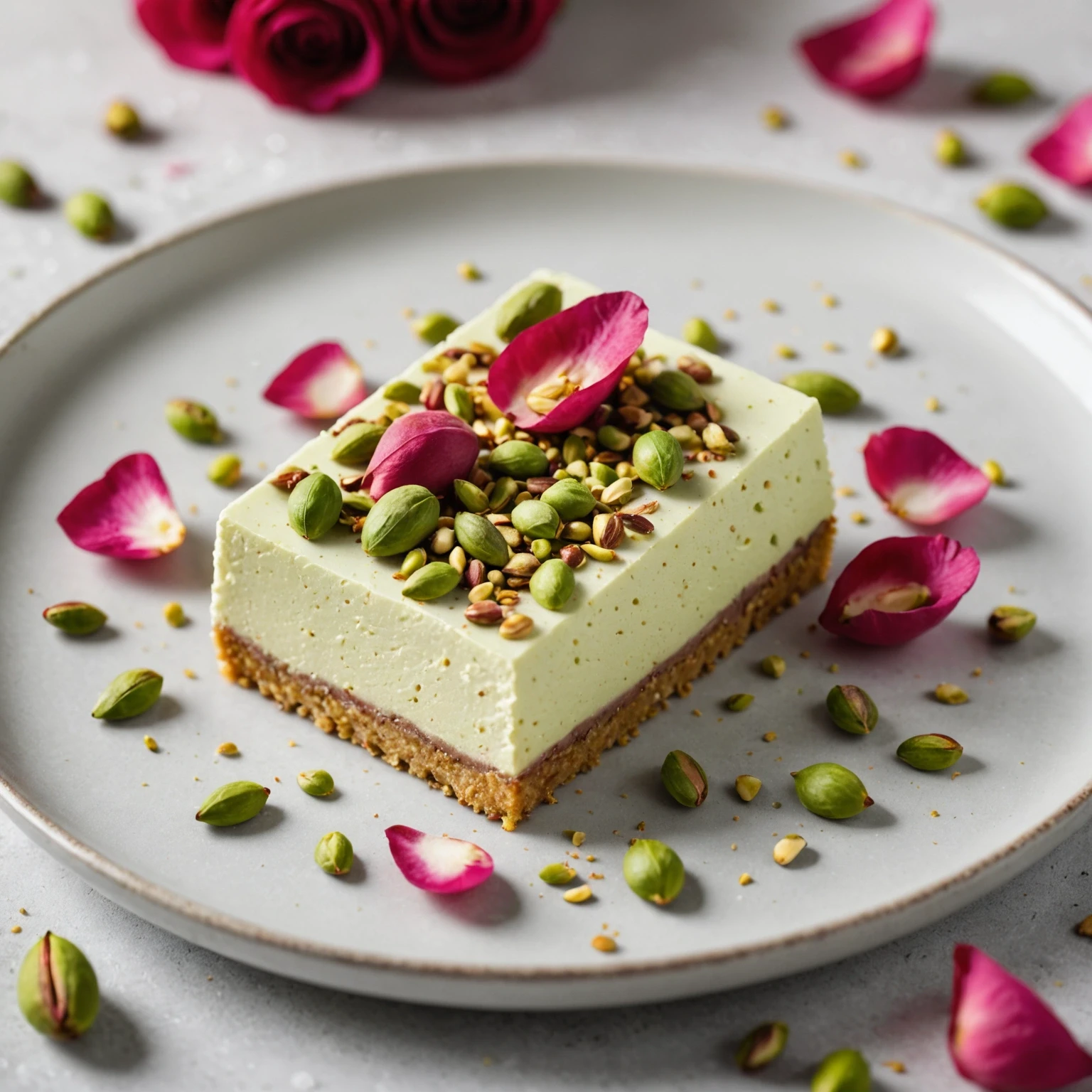
- Floral essences like rosewater or lavender combined with nuts to create elegant dessert bars or cakes.
- Warm spices including cinnamon, cardamom, and ginger to deepen flavor profiles in muffins and hand pies.
These creative pairings stimulate the palate and impart distinctive character to your recipes.
Expanding Beyond Sweet Treats: Versatile Gluten-Free Baking Applications
Gluten-free baked goods are not limited to desserts but can function as snacks, appetizers, and main dishes. For instance:
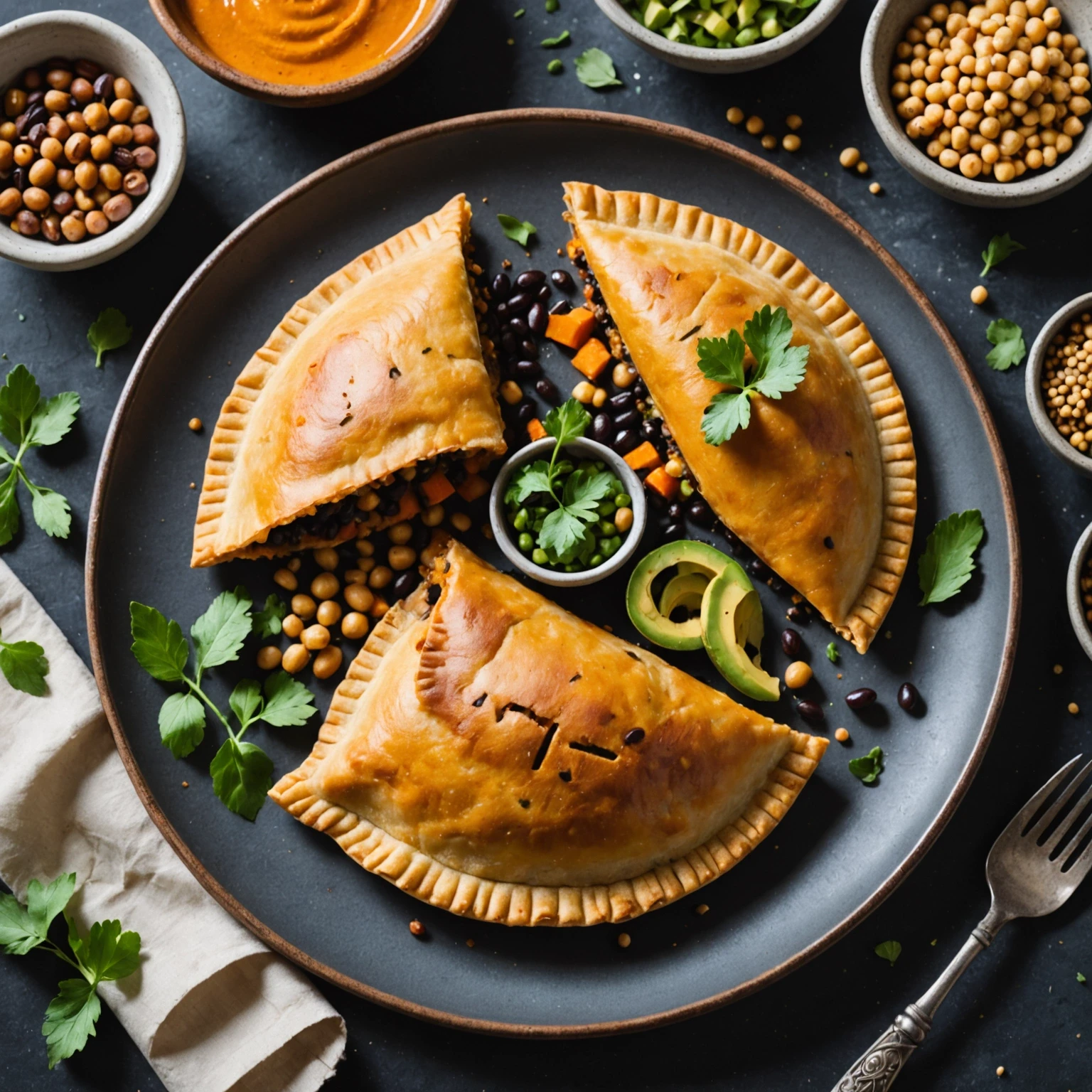
- Savory options such as sweet potato and black bean empanadas serve as hearty, crowd-pleasing meals.
- Quick, practical choices like practical chickpea and avocado salad sandwiches combined with gluten-free breads make satisfying lunches.
Many of these items freeze well, offering convenient options for busy schedules without sacrificing quality.
---.
Essential Tips for Consistent Gluten-Free Baking Success
practical outcomes require careful attention to specific factors:
- Accurate Measurement: Since gluten-free flours differ in density and absorbency, precise weighing or measuring is critical.
- Moisture Balance: Adjust ingredients such as fruit purees, dairy substitutes, and fats to achieve optimal hydration.
- Binding Ingredients: Use eggs, ground flaxseed, chia seeds, or commercial gluten-free gums to improve dough structure.
- Monitoring Baking Parameters: As gluten-free items may bake faster or slower than practical wheat products, keep a close eye on timing and temperature.
These practices help ensure your baked goods have desirable texture, flavor, and appearance.
---.
Examples of Innovative Gluten-Free Baking Recipes
To apply these concepts, explore recipes that showcase inventive flours and flavor pairings:
- Experience the robust flavors of Gluten-Free Savory Sweet Potato and Black Bean Empanadas, highlighting alternative flours and bold fillings.
- Enjoy a wholesome, quick meal with the Gluten-Free practical Chickpea and Avocado Salad Sandwich.
- Discover refined flavor combinations in Gluten-Free Pistachio Rosewater Cheesecake Bars.
- Try the Gluten-Free Zucchini Noodle Stir-Fry with Tofu and Sesame for versatile, vegetable-focused meals.
Embracing Creativity and Confidence in Gluten-Free Baking
Understanding the unique qualities of diverse gluten-free flours and flavor innovations empowers you to expand beyond standard recipes. Incorporating these approaches enriches your baking repertoire, enabling you to craft delightful, textured, and flavorful baked goods that satisfy both gluten-sensitive individuals and culinary explorers alike.