 Freeflourish
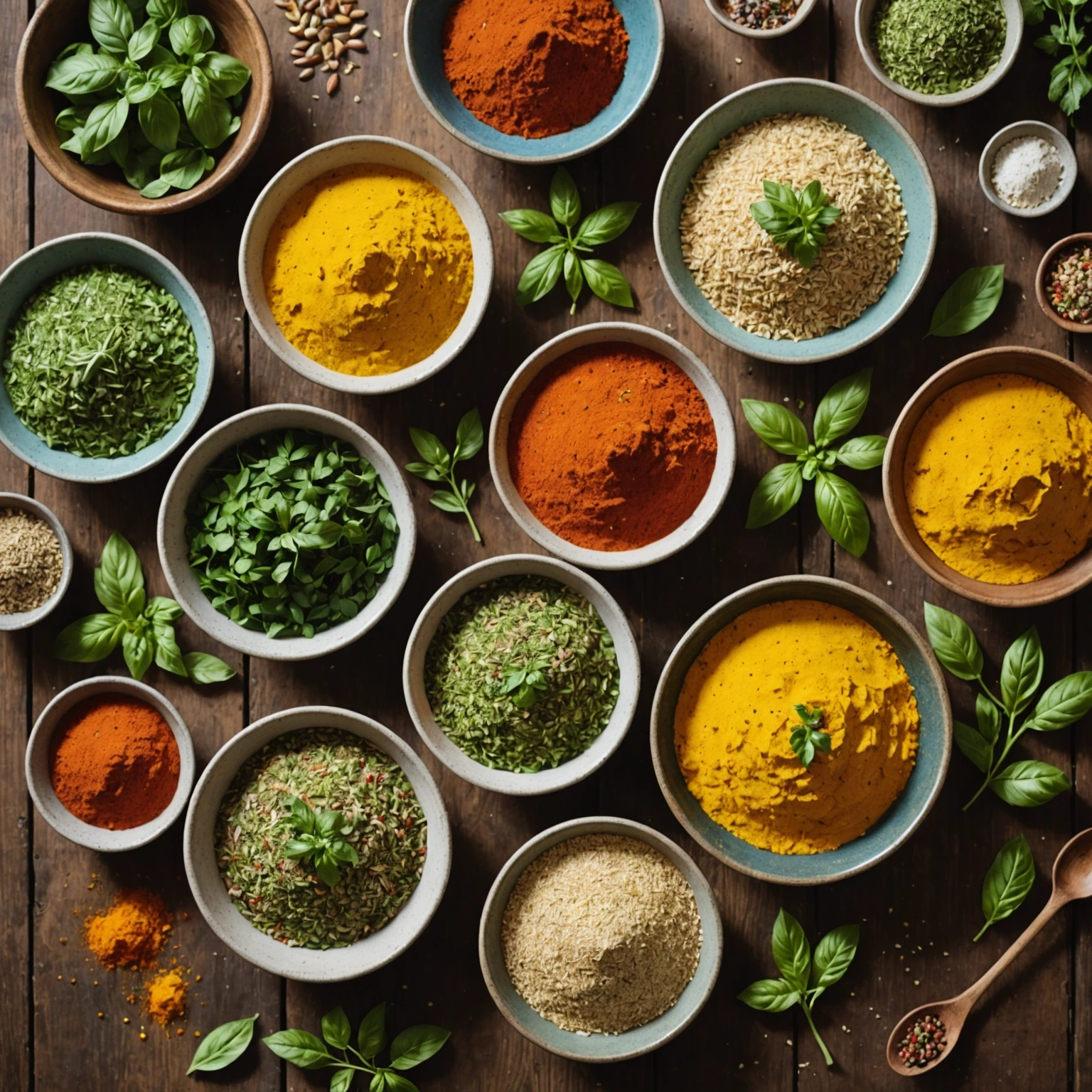
Creating allergy-conscious meals that are both flavorful and texturally pleasing is achievable by leveraging natural herbs, spices, and gluten-free thickeners. These components help you craft dishes that prioritize health and taste without relying on common allergens or gluten-containing ingredients. This article presents key techniques to enhance the sensory qualities of your meals while maintaining dietary safety.
Utilizing Natural Herbs and Spices for Enhanced Flavor
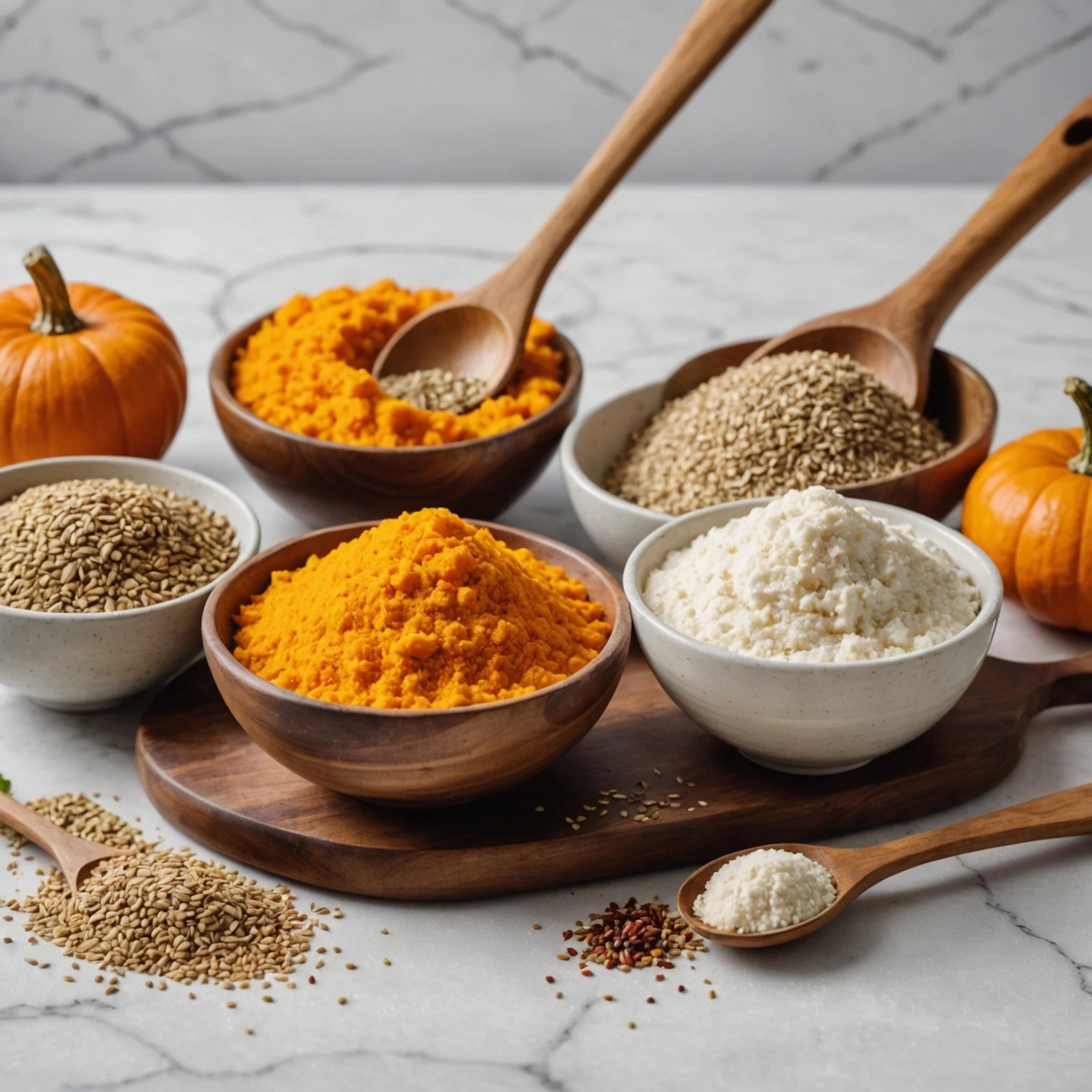
Herbs and spices are essential tools for elevating allergy-friendly dishes. They provide complex aromas and taste profiles while contributing beneficial nutrients, including antioxidants and compounds.
- Fresh herbs such as basil, thyme, and cilantro add brightness when incorporated near the end of cooking.
- Dried spices like smoked paprika, cumin, and turmeric develop rich, warm flavors when toasted or simmered early in preparation.
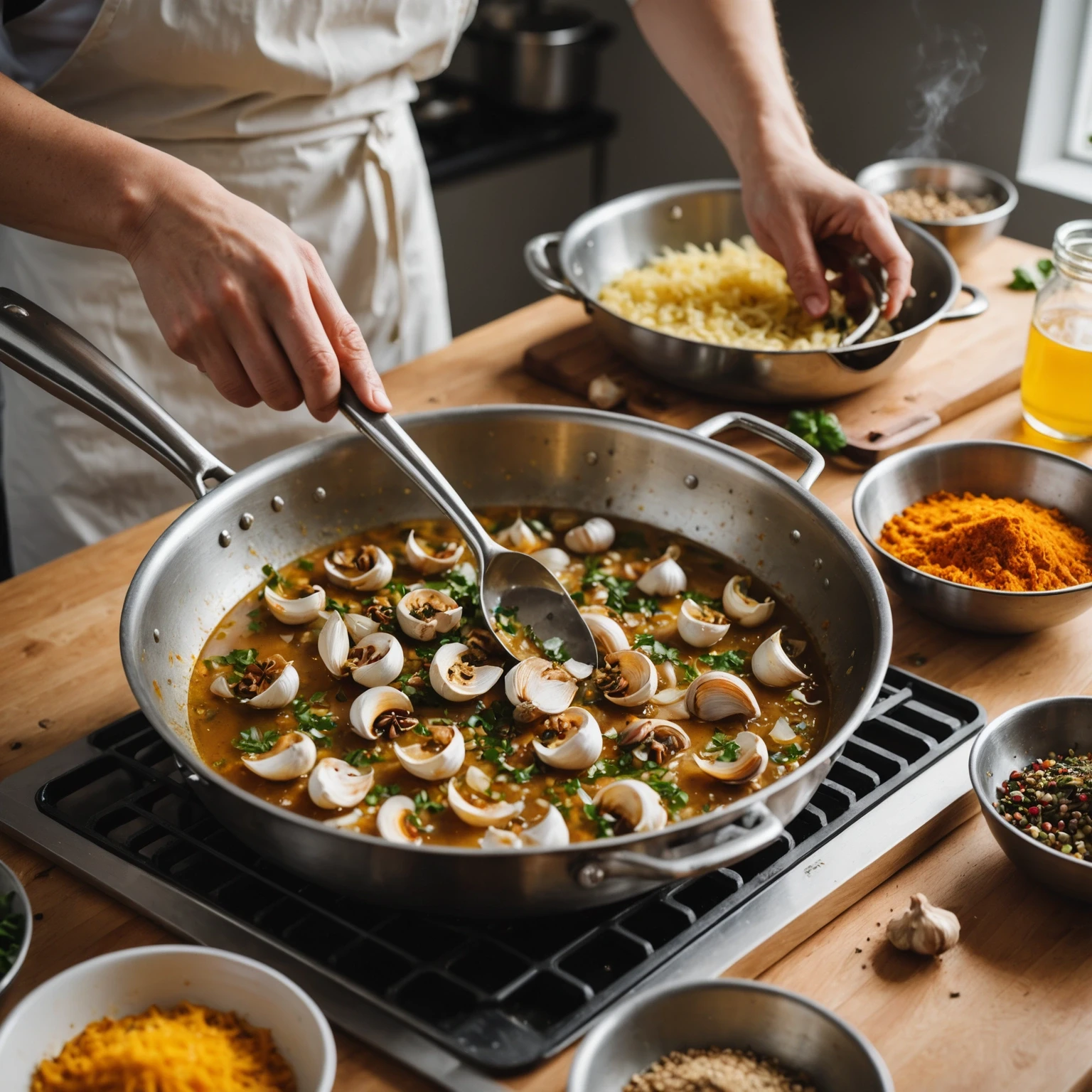
Crafting custom spice blends tailored to personal preferences can make meals more inviting without introducing allergens or gluten additives.
Natural Gluten-Free Thickeners to Improve Texture
Texture is vital for flavor enjoyment, but many standard thickeners contain gluten or common allergens. Several natural alternatives offer effective thickening and nutritional benefits:
- Tapioca starch: Derived from cassava, it creates a shiny, stretchy texture ideal for soups and sauces.
- Arrowroot powder: Light and neutral tasting, perfect for clear or acidic dishes.
- Ground flaxseed and chia seeds: Absorb liquid to form gels suitable for smoothies, dressings, and puddings.
- Pureed vegetables: Cooked cauliflower, squash, or sweet potatoes can thicken soups and stews naturally, adding flavor and nutrients.
These options provide versatile control of consistency while ensuring allergen safety.
Cooking Techniques to Maximize Flavor and Texture
Preparation methods significantly influence the taste and mouthfeel of dishes without introducing allergens:
- Toasting spices and seeds: Enhances aroma and intensifies flavors.
- Sautéing aromatics: Cooking onions, garlic, or ginger gently releases sweetness and builds a savory base.
- Layering liquids gradually: Incorporating broths, coconut milk, or vegetable juices sequentially develops rich, balanced flavors.
- Emulsification: Combining liquids slowly to produce creamy, practical dressings and sauces.
These techniques unlock the full potential of natural ingredients and enhance the dining experience.
Practical Applications in Allergy-Friendly Recipes
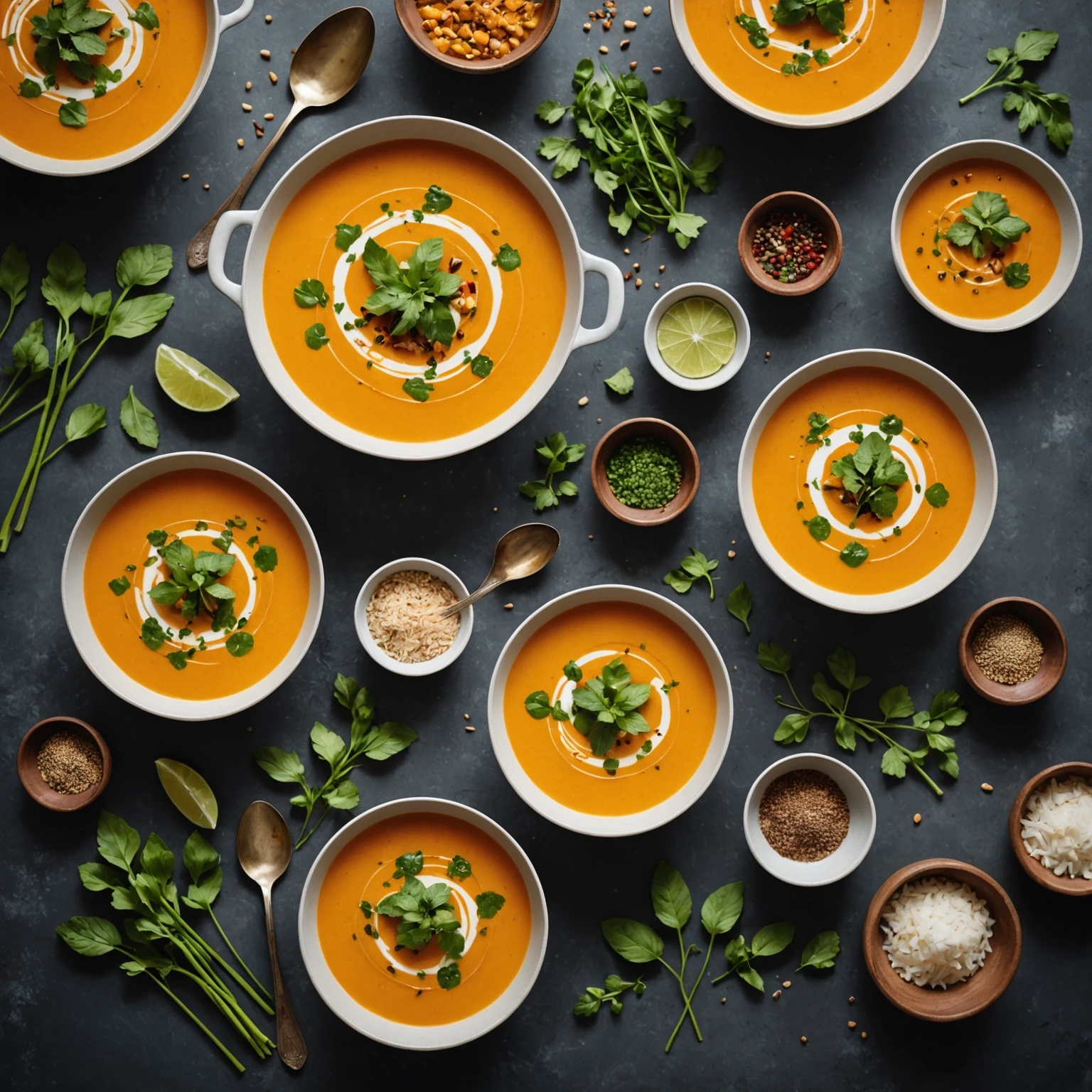
Applying these strategies transforms familiar dishes. For example, the Gluten-Free Thai-Inspired Coconut Curry Pumpkin Soup employs coconut milk and spices for creamy texture and vibrant flavor without conventional thickeners. Likewise, the Gluten-Free Savory Cheddar and Chive Popovers showcase how natural herbs and alternative flours create appealing texture and taste.
Conclusion
Incorporating natural herbs, spices, and allergen-safe thickeners with mindful cooking techniques empowers you to create allergy-conscious meals that are flavorful, textured, and practical. These approaches deliver wholesome, safe dishes that make every bite enjoyable for individuals managing allergies or gluten sensitivities.