 Freeflourish
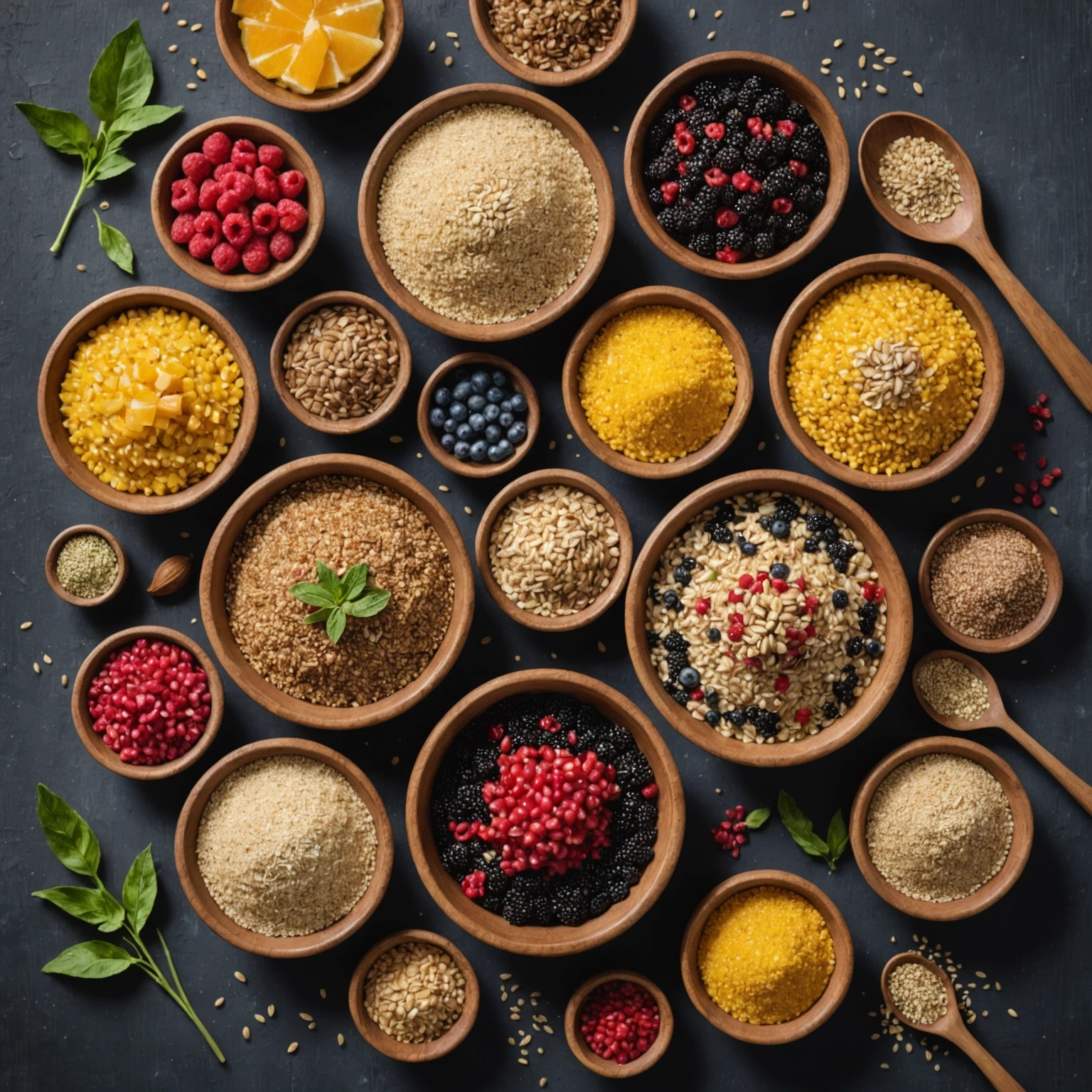
Ancient grains like quinoa, amaranth, and millet have gained prominence for their rich nutritional profiles and adaptability within gluten-free diets. These grains are naturally free from gluten and offer valuable health benefits along with diverse culinary applications that extend beyond conventional gluten-free staples.
Nutritional Highlights of Ancient Grains
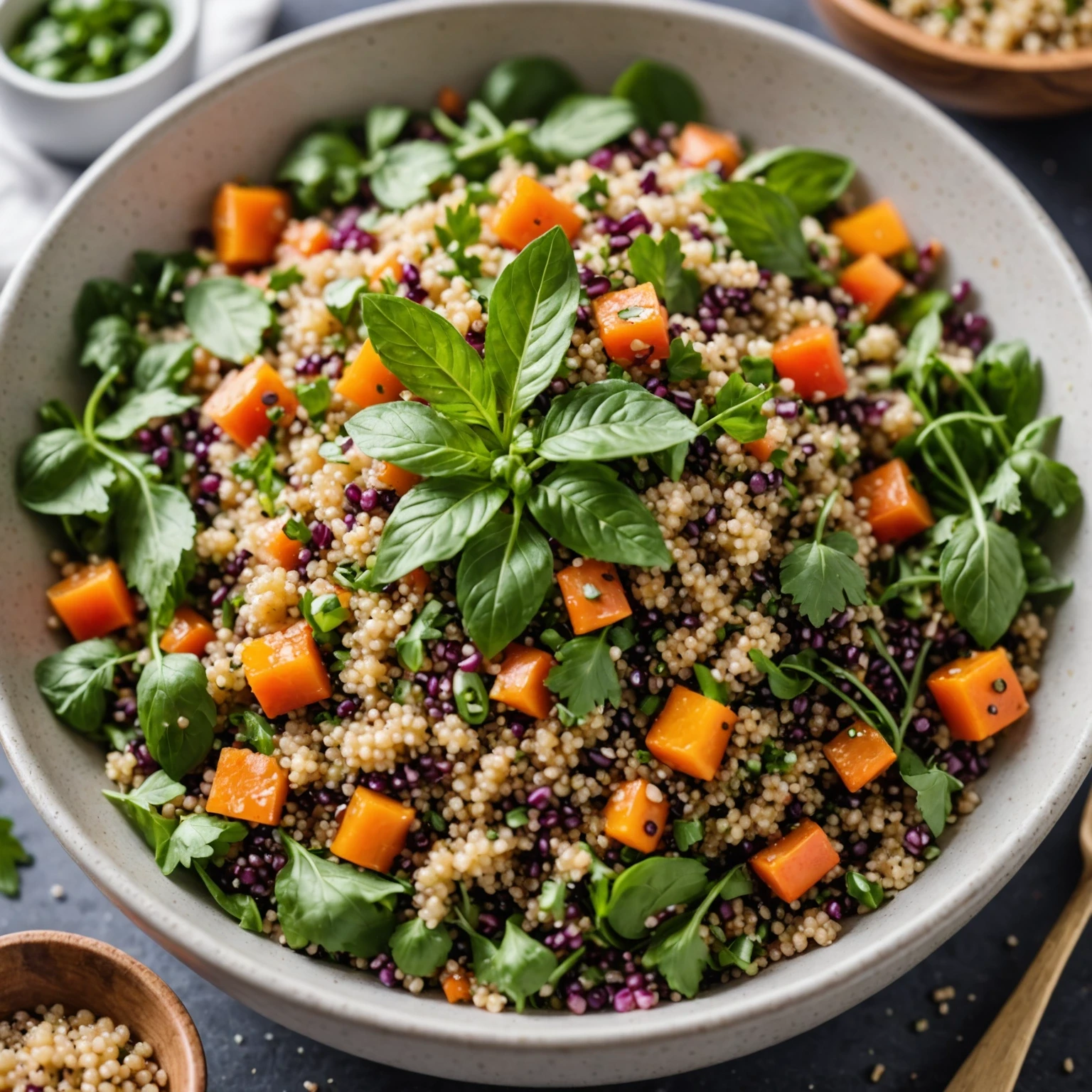
Unlike highly processed grains, ancient grains often retain their bran and germ layers, preserving essential nutrients such as dietary fiber, vitamins, minerals, and antioxidants. For instance, quinoa stands out as a complete protein source containing all nine essential amino acids, making it an excellent choice for plant-based and allergen-conscious diets. Amaranth provides significant amounts of iron and calcium, beneficial for maintaining bone health, while millet contains magnesium and phosphorus, which support cardiovascular and metabolic health.
Regular consumption of these grains may promote stable blood sugar levels due to their low glycemic indices, support digestive health through fiber, and contribute to sustained energy release throughout the day. The presence of micronutrients and compounds further supports overall well-being.
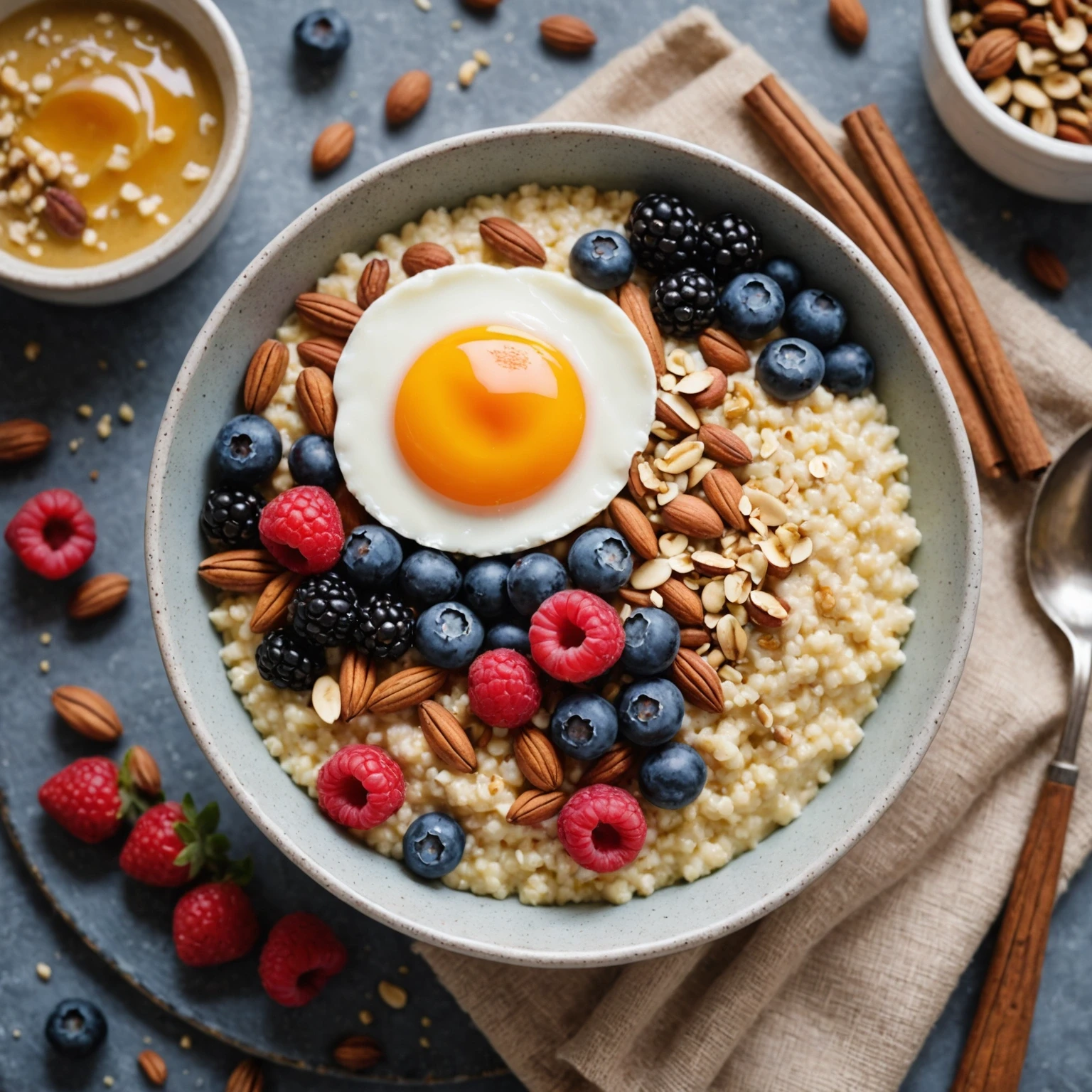
Culinary Applications and Meal Inspirations
Ancient grains enhance meal variety and texture across all eating occasions:
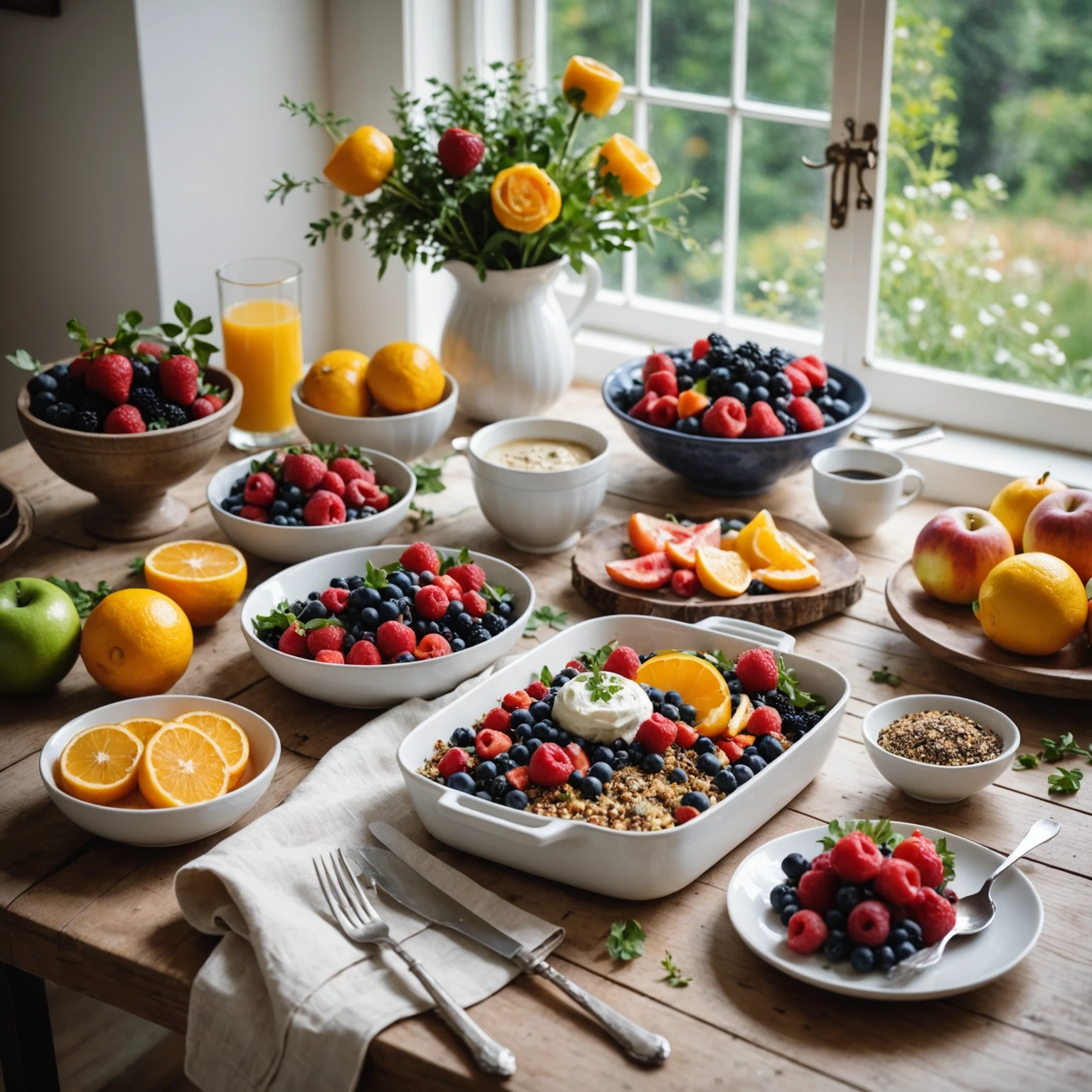
- Breakfast: They serve as wholesome bases for porridges and grain bowls. Their naturally mild, nutty flavors pair well with fresh fruits, nuts, and warming spices.
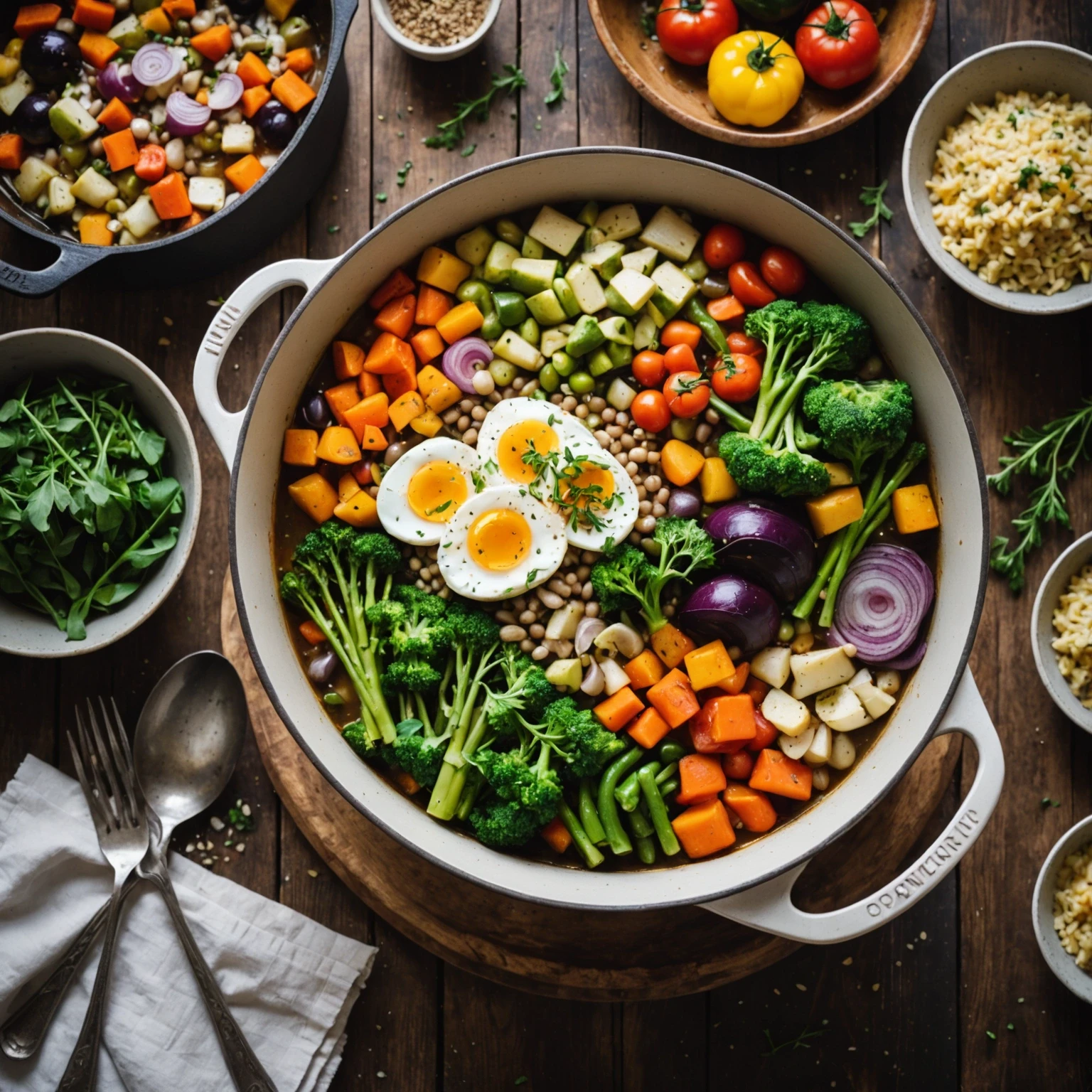
- Lunch and Dinner: Their hearty textures complement salads, stews, and vegetable-based dishes. Notable examples available on Freeflourish include the Gluten-Free Lentil and Quinoa Meatless Meatballs and the practical Lentil and Quinoa Stuffed Acorn Squash, which showcase how these grains integrate protein and seasonal ingredients into satisfying gluten-free meals.
- Snacks and Sides: Roasted millet and popped amaranth can be added to snack mixes or used as crunchy toppings, introducing texture contrast and nutritional enhancement to various dishes.
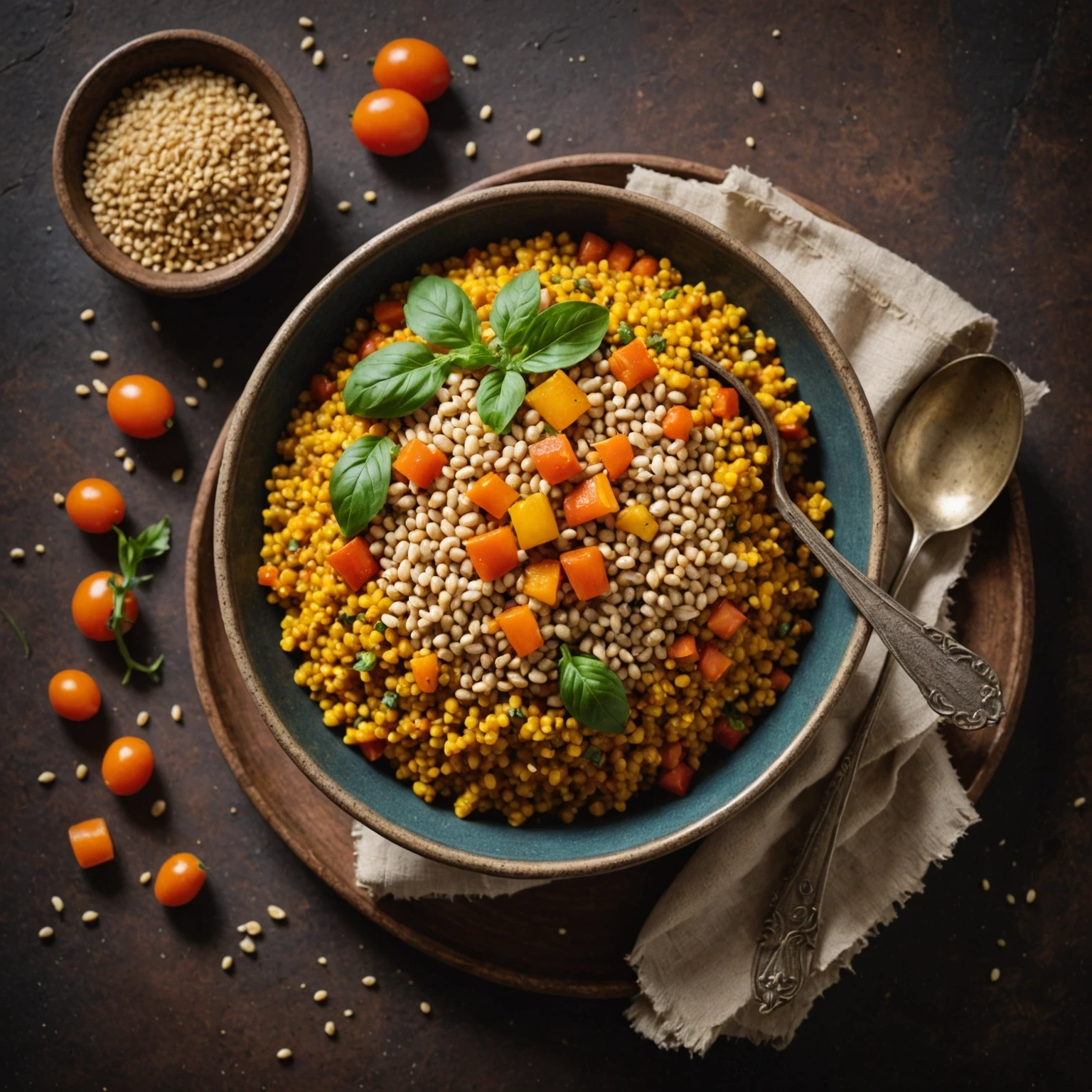
Tips for Incorporating Ancient Grains
- Rinse Thoroughly: Some grains like quinoa carry a natural coating called saponin, which can impart bitterness. Rinsing under cold water before cooking is recommended.
- Start Gradually: Introduce these grains by partially replacing more familiar staples such as rice or pasta to allow your palate to adjust to new flavors and textures.
- Batch Cooking: Prepare larger quantities and store portions in the refrigerator or freezer to simplify meal preparation while keeping grains fresh.
- Enhance Flavors: Experiment with herbs, spices, citrus zest, and allergen-safe dressings to complement the subtle earthiness and bring out the grains’ natural taste.
- Explore Recipes: Utilize Freeflourish’s gluten-free recipes that feature ancient grains to discover diverse and enjoyable meal options.
Embracing a Diverse and practical Gluten-Free Lifestyle
Incorporating ancient grains into your gluten-free diet encourages nutritional balance and culinary creativity. These grains provide a gateway to new textures and flavor profiles while supporting digestive health and metabolic function.
By diversifying your pantry with ancient grains, you enrich your meals with whole-food nutrition that promotes long-term wellness and satisfaction.
Begin exploring these versatile grains today to transform everyday dishes into nutrient-dense, flavorful experiences suitable for the whole family and your gluten-free journey.