Breakfast
Freeflourish
Gluten-Free Paleo Cauliflower Pizza Crust with Roasted Vegetable Toppings
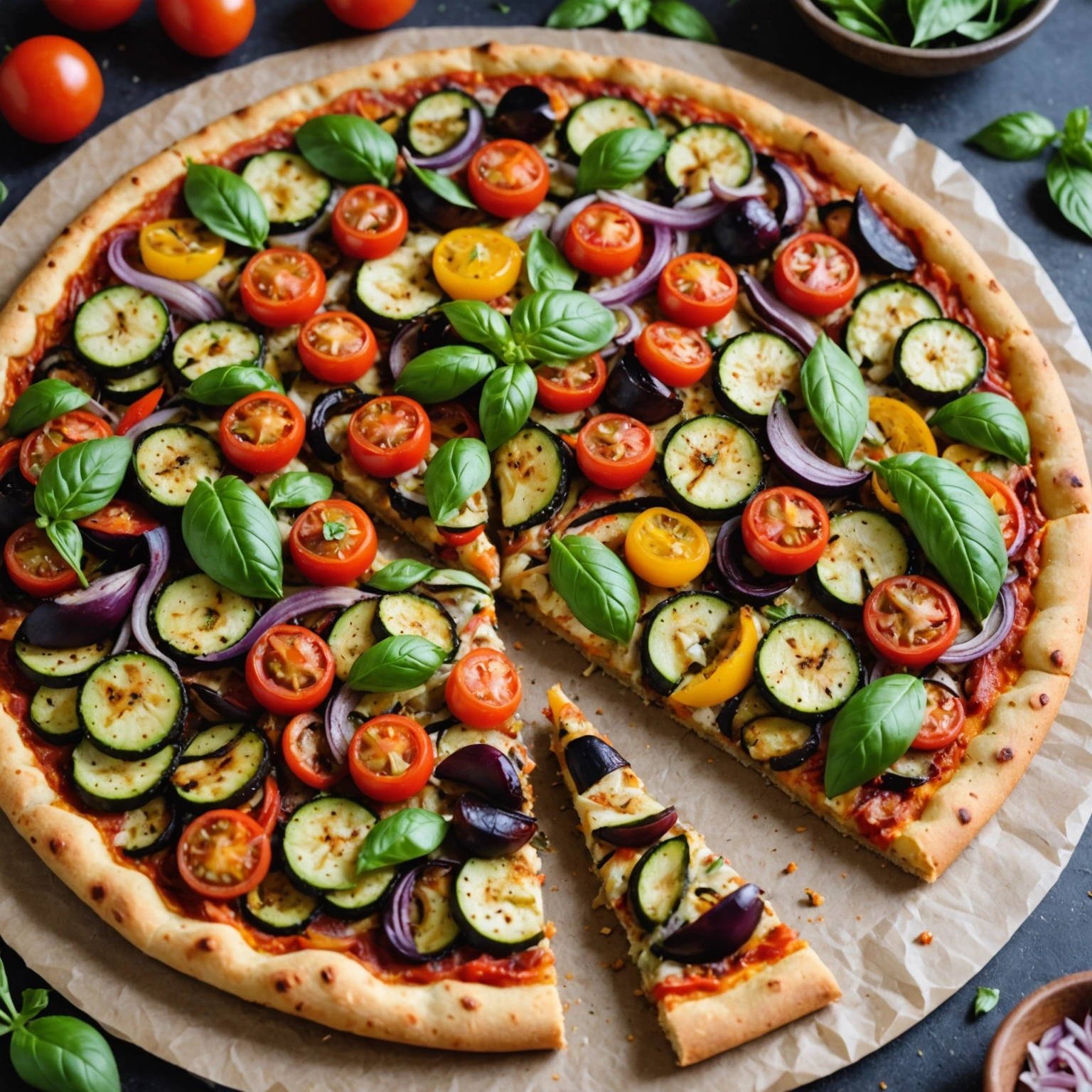
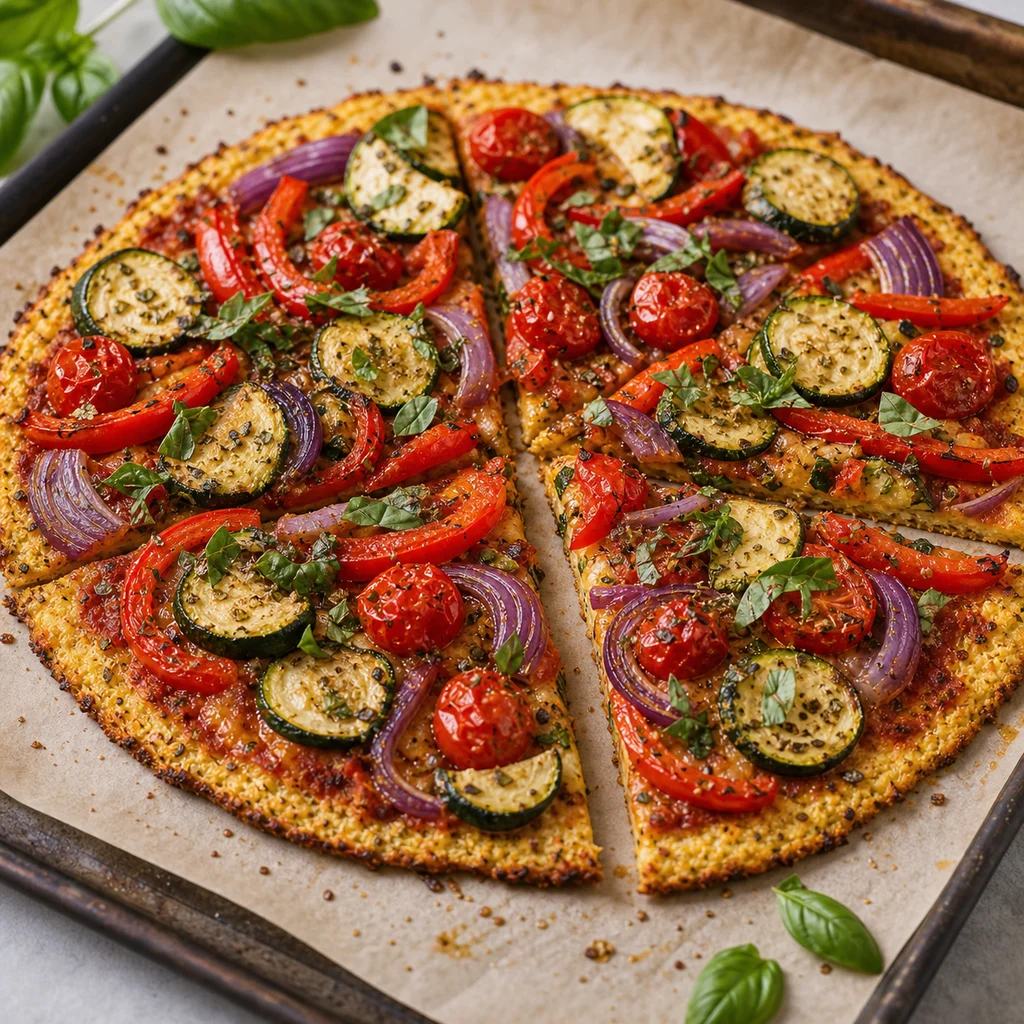
This gluten-free, paleo cauliflower pizza crust is a healthy and delicious alternative to traditional pizza dough. Topped with vibrant roasted vegetables, it’s perfect for an easy, family-friendly, dairy-free, grainfree dinner the whole household will enjoy.
Ingredients
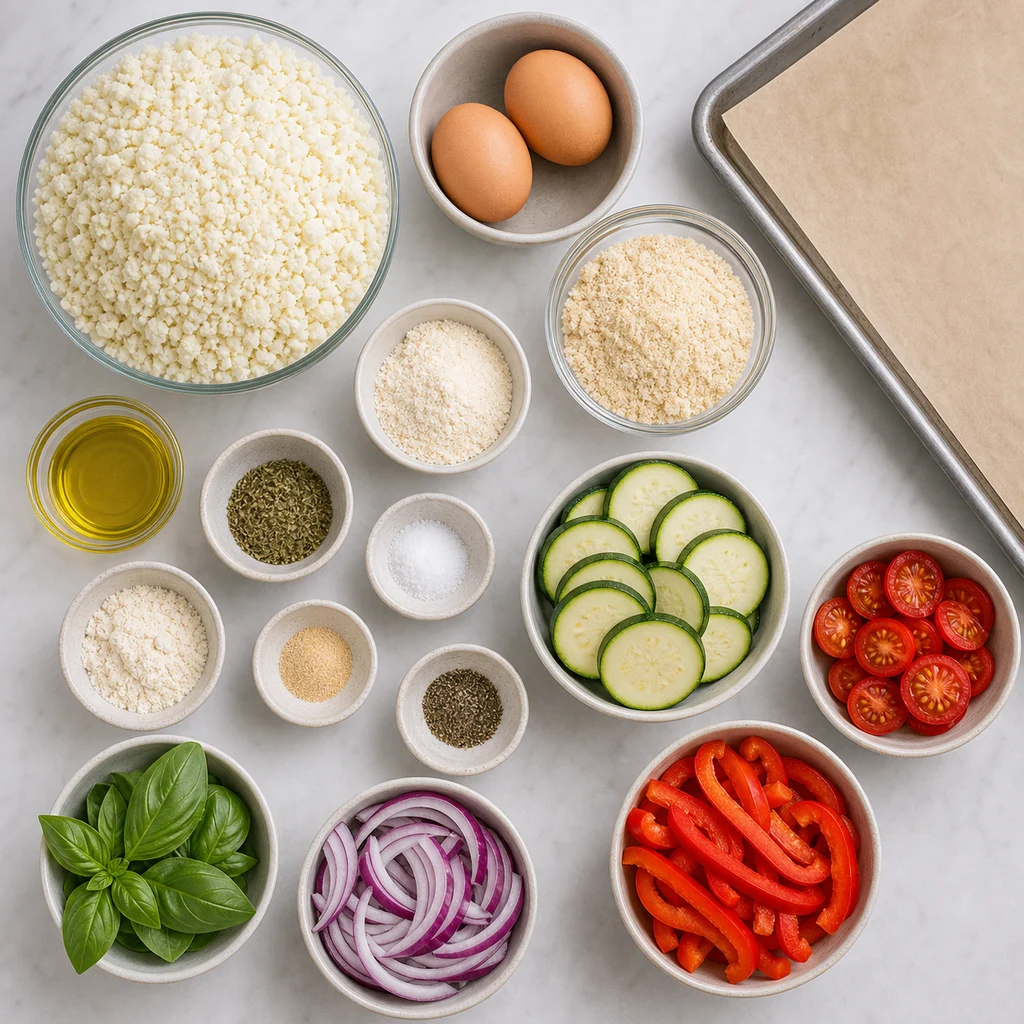
- 1 medium head cauliflower (about 4 cups riced cauliflower)
- 2 large eggs
- 1/4 cup almond flour (optional - replace with 2 tbsp ground flaxseed for nut-free version)
- 1/4 cup coconut flour
- 1 tsp dried oregano
- 1/2 tsp garlic powder
- 1/2 tsp salt
- 1/4 tsp black pepper
- 2 tbsp olive oil (for crust)
- 1 small zucchini, sliced into thin rounds
- 1 small red bell pepper, cut into strips
- 1/2 cup cherry tomatoes, halved
- 1/2 small red onion, thinly sliced
- 2 tbsp olive oil (for roasting vegetables)
- Salt and pepper to taste
- Fresh basil leaves for garnish
Instructions
-
Preheat your oven to 425°F (220°C). Line a baking sheet with parchment paper.
-
Remove the leaves and core from the cauliflower. Chop into large chunks and pulse in a food processor until it resembles rice in texture (about 4 cups).
-
Place the riced cauliflower into a microwave-safe bowl and microwave on high for 5-7 minutes until softened. Let cool slightly.
-
Transfer the warm riced cauliflower to a clean kitchen towel or cheesecloth and squeeze out as much moisture as possible. This step is crucial for a firm crust.
-
In a large mixing bowl, combine the drained cauliflower, eggs, almond flour (or ground flaxseed), coconut flour, oregano, garlic powder, salt, and pepper. Mix thoroughly until a dough forms.
-
Press the dough evenly into a 10-inch round on the prepared baking sheet, shaping a crust about 1/4-inch thick. Lightly brush the crust with 2 tablespoons olive oil.
-
Bake the crust for 15 minutes until golden and set.
-
While the crust bakes, toss the sliced zucchini, red bell pepper, cherry tomatoes, and red onion with 2 tablespoons olive oil, salt, and pepper. Spread evenly on a second parchment-lined baking sheet.
-
After the crust has baked, remove it from the oven and evenly spread the roasted vegetables on top of the crust.
-
Return the pizza to the oven and bake for an additional 10 minutes, until vegetables are tender and edges of the crust crisp up.
-
Remove from the oven and let cool for a few minutes. Garnish with fresh basil leaves before slicing and serving.
Frequently Asked Questions
Reader questions and answers for this recipe will appear here.
This Gluten-Free Paleo Cauliflower Pizza Crust recipe is versatile and can be easily customized to fit various dietary requirements or ingredient preferences:
- Eggs: For a vegan alternative, swap the 2 large eggs with a flax egg (2 tbsp ground flaxseed mixed with 6 tbsp water, let sit for 5 minutes) or a commercial egg replacer.
- Almond Flour: Adds a subtle nutty flavor but can be substituted with 2 tablespoons ground flaxseed for a nut-free version. Sunflower seed flour is another option though it may slightly affect the taste and texture.
- Coconut Flour: If not available, arrowroot powder or tapioca starch can be used, but coconut flour’s fiber plays a crucial role in binding the crust effectively.
- Olive Oil: Can be replaced with avocado oil or another neutral oil preferred for roasting or brushing.
These modifications maintain the recipe’s status as gluten-free, paleo, grainfree, and dairy-free, while providing flexibility for nut-free and vegan dietary adaptations suitable for a variety of family-friendly and healthy meals.
Allergen Overlap Note
While all recipes in our gluten-free category are carefully crafted to avoid gluten-containing ingredients, it's crucial to be mindful of potential cross-contamination. Gluten may be found on shared cooking surfaces, utensils, and bulk ingredient containers. We strongly recommend thoroughly cleaning all preparation areas and tools before cooking to ensure the safety of your gluten-free dishes.
Many recipes in this category also accommodate other dietary preferences and restrictions such as dairy-free, nut-free, vegan, and paleo. Always check the ingredient list carefully to confirm suitability for your needs—particularly for allergen considerations like almond flour used in some gluten-free baking recipes. Nut-free alternatives like ground flaxseed are often provided for easy substitution.
When cooking for individuals with severe allergies, use dedicated equipment and storage areas where possible, avoid recipes with potential allergen traces, and verify gluten-free certification on packaged products. These precautions help you create safe, delicious meals across all categories including breakfast, lunch, dinner, desserts, snacks, soups & salads, and more—covering quick & easy, family-friendly, holiday, and seasonal recipes.
Texture Expectations
When preparing gluten-free dishes like this Paleo cauliflower pizza crust, it's helpful to understand the texture differences compared to traditional wheat-based pizza dough. This cauliflower crust offers a tender but slightly firm bite, with a subtle crispness on the edges created by baking. Without gluten, the crust is naturally more moist and less elastic. Properly squeezing out excess moisture from the riced cauliflower is key to achieving a crust that's firm and not soggy.
The combination of coconut and almond flours (or flaxseed for nut-free versions) provides necessary structure and a delicate crumbly texture. The crust does not have the chewy stretchiness of conventional pizza crusts but delivers a pleasant bite with a slightly grainy, hearty feel due to the vegetable base. Roasted vegetable toppings add a juicy, tender contrast that complements the crust's firmness.
Overall, expect a wholesome, rustic texture that pairs beautifully with the roasted vegetables and fits well within grainfree, paleo, and gluten-free diets. This makes the recipe an excellent choice for healthy, family-friendly dinner options with comforting flavors and textures free from gluten’s characteristic chewiness.
Dining With Non Gf Family Note
Living in a household with both gluten-free and non-gluten-free eaters is manageable and enjoyable with a few simple precautions. To avoid cross-contamination, always use separate utensils, cutting boards, and cookware for preparing gluten-free meals. Clean all surfaces thoroughly before cooking gluten-free dishes, and consider designating specific zones in your kitchen for gluten-free food preparation.
When sharing meals such as breads, snacks, or baked goods, serve gluten-free items separately to prevent accidental contact—avoid double-dipping or sharing utensils. Communicate openly with family members about the importance of maintaining gluten-free safety, especially during holiday and seasonal gatherings when traditional recipes may contain gluten.
By following these tips, everyone in your family can enjoy wholesome and delicious meals safely from breakfast through desserts, making mealtime inclusive and stress-free.
Related Articles
Read related air fryer guides and cooking tips.
More Recipes
Explore more recipes you may like.
Reviews
Rate this recipe and share a photo of your result.
No reviews yet.
Save this recipe
Log in to keep this recipe in your favorites.
Reset password Register