 Freeflourish
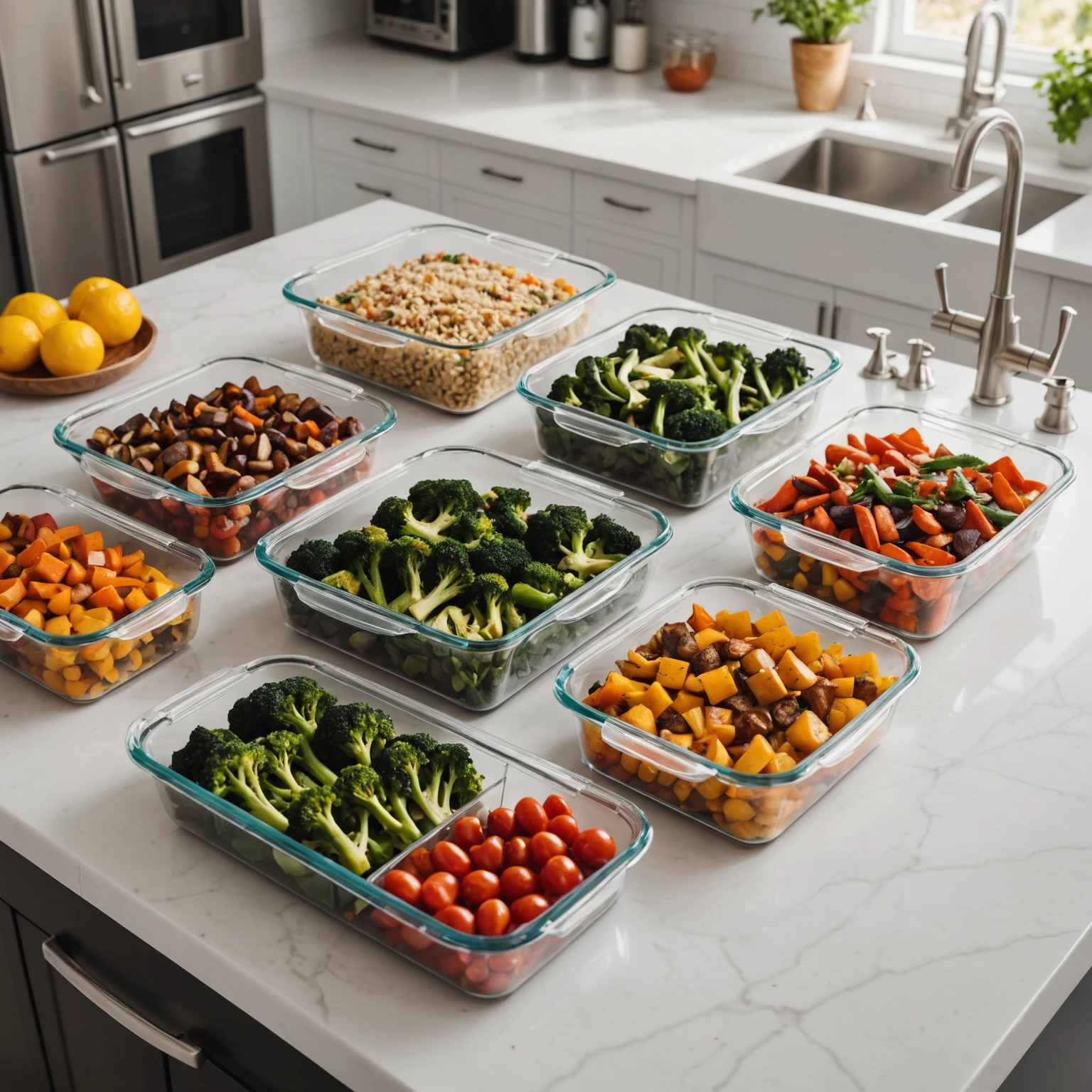
Managing a gluten-free diet amid a hectic lifestyle can be challenging, but implementing efficient meal prep strategies makes planning and cooking more manageable and enjoyable. This article outlines actionable tips for organizing, preparing, and storing gluten-free meals that support practical eating while saving valuable time.
Plan Your Week with Clear Meal Objectives
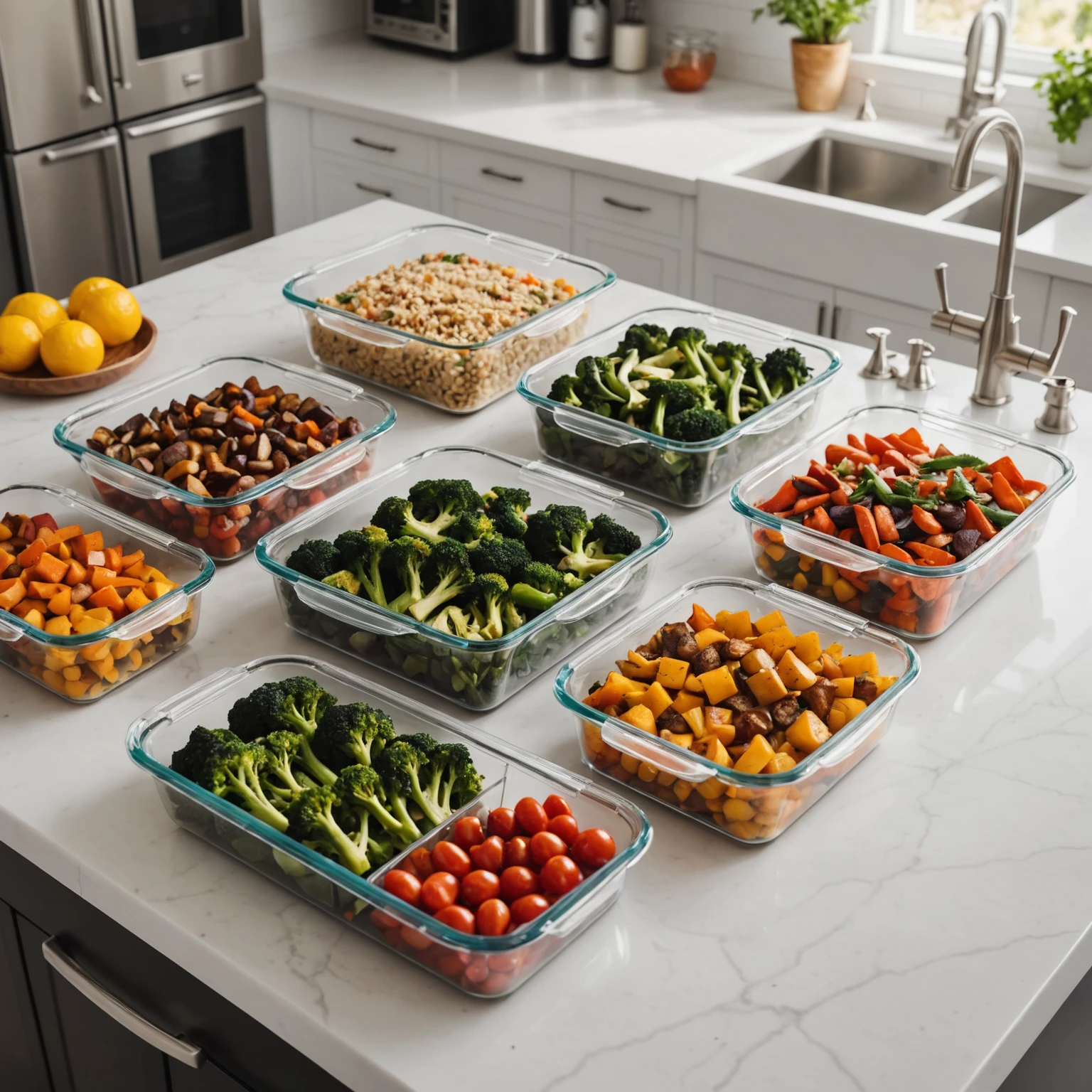
Start your gluten-free meal prep by creating a realistic and balanced meal plan covering breakfasts, lunches, dinners, and snacks. Focus on incorporating diverse, nutrient-rich ingredients and identify overlapping components that simplify grocery shopping and reduce prep time. Utilizing digital planners or printable templates can help you track meals, minimize last-minute decisions, and cut down on food waste.
Utilize Batch Cooking to Maximize Efficiency
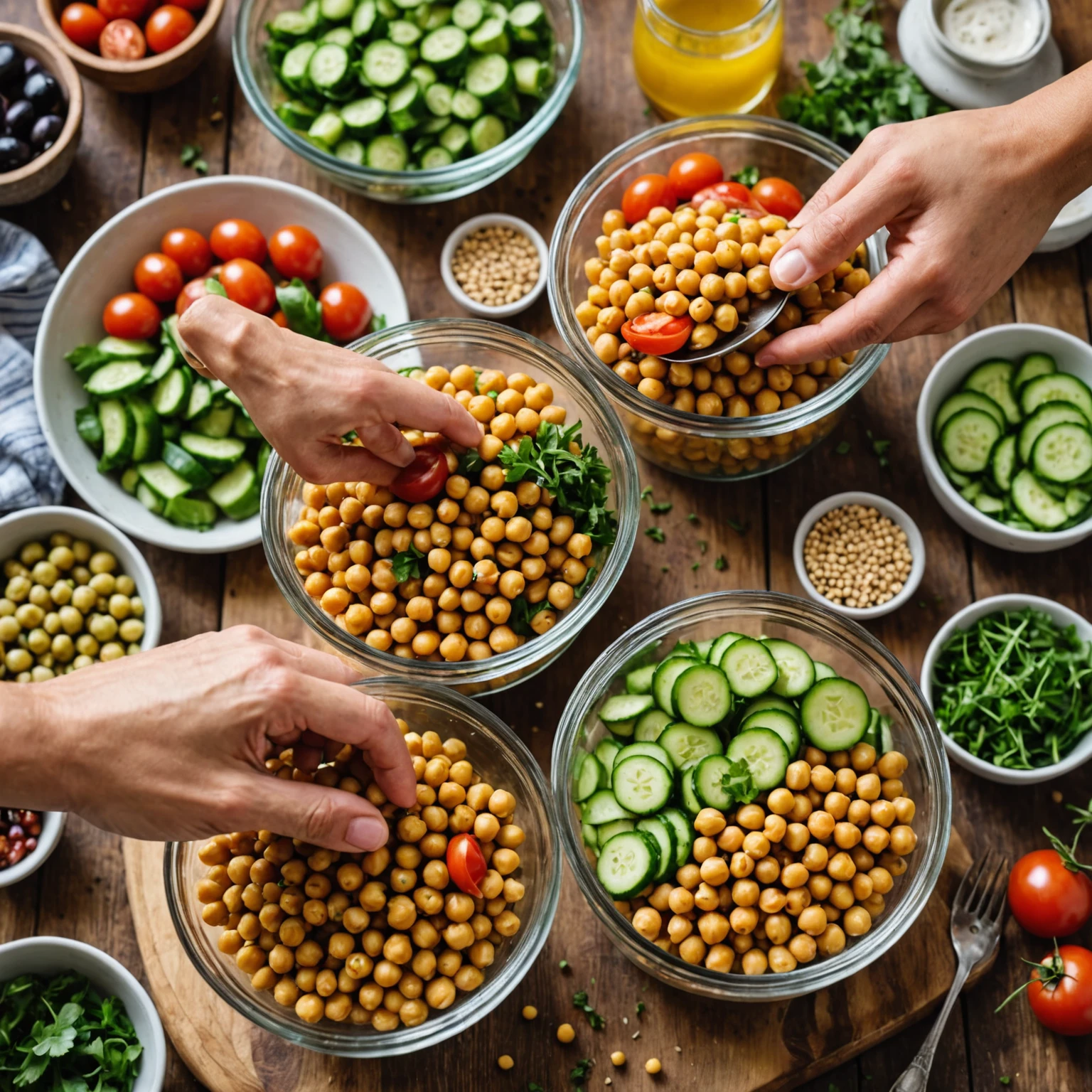
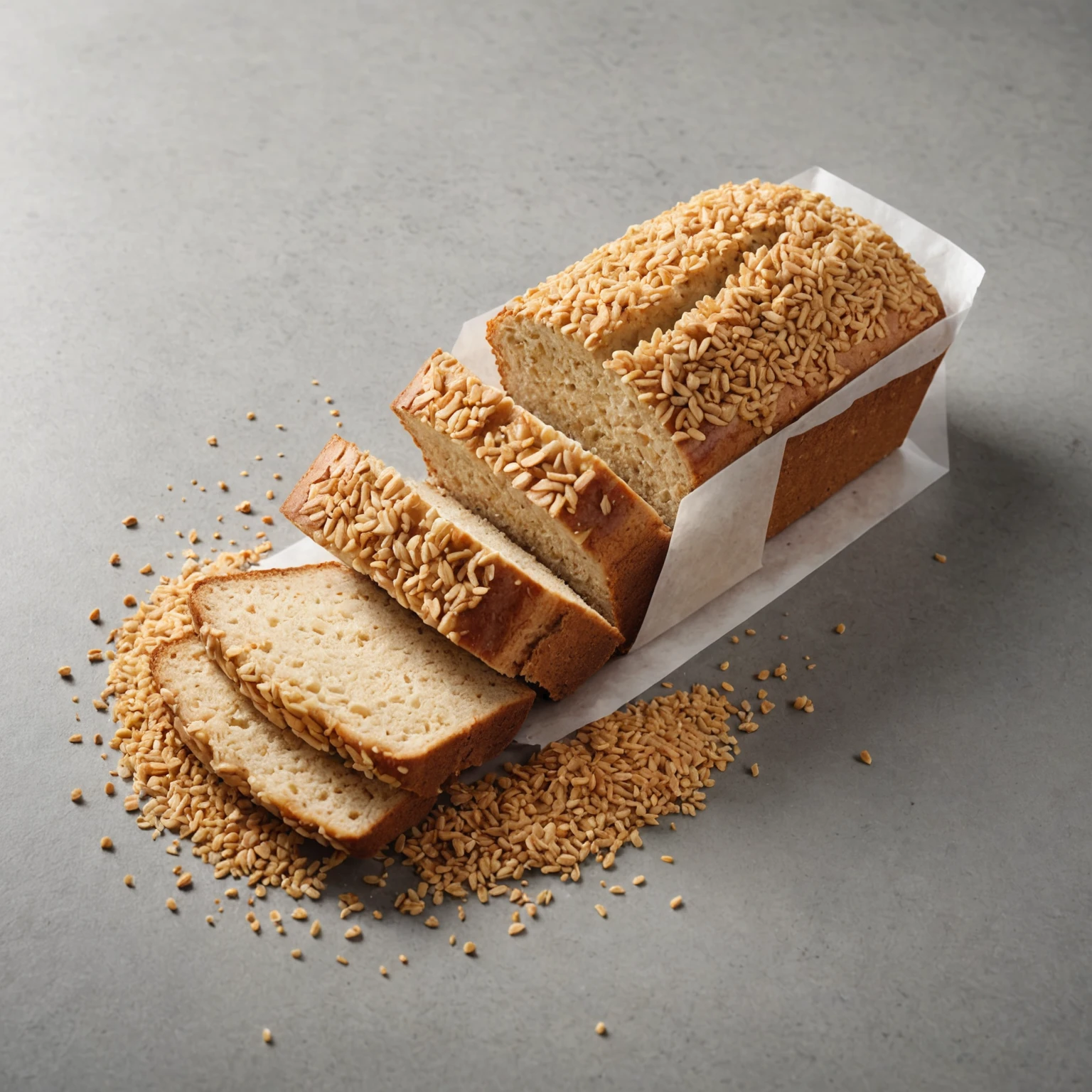
Batch cooking is a powerful technique that involves preparing staple ingredients in larger quantities for repurposing throughout the week. Cook a variety of proteins, grains, and vegetables with different seasonings to maintain meal variety. Including versatile options, such as Gluten-Free Savory Pumpkin and Herb Breadsticks, can add comfort and flavor to salads, soups, and other dishes prepared in advance.
Organize with Thoughtful Storage Solutions
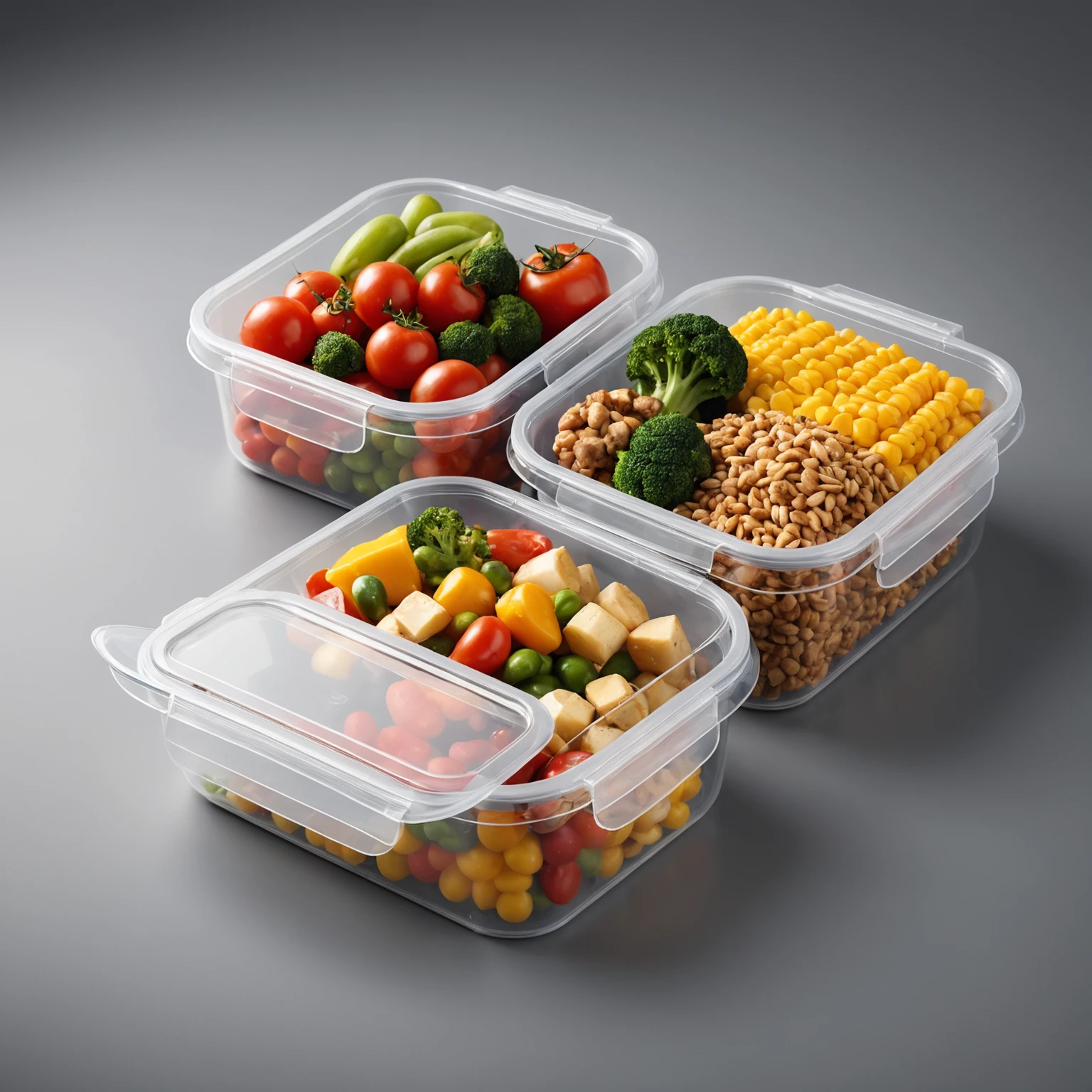
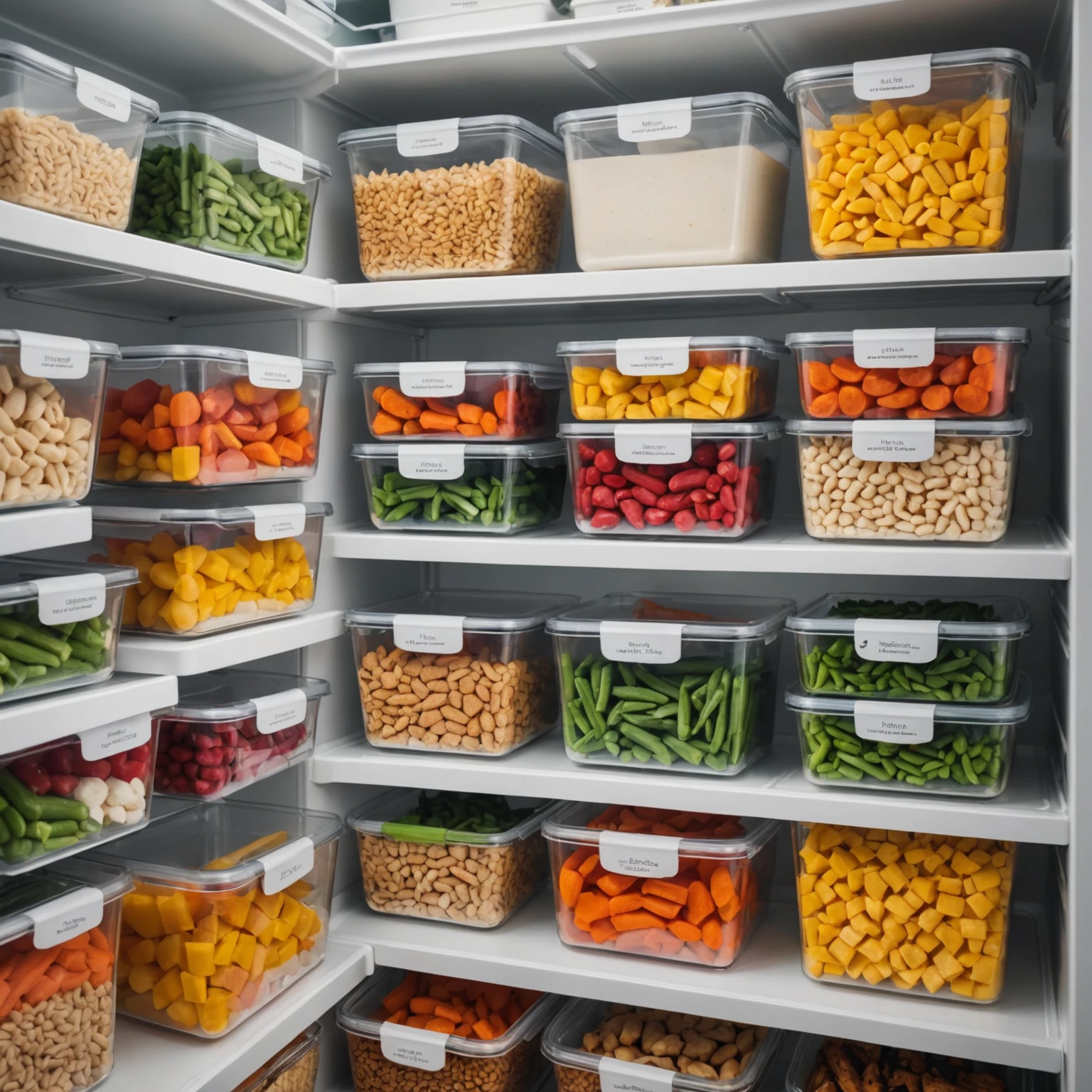
Invest in quality airtight containers in various sizes to keep prepped foods fresh and organized. Label containers clearly with contents and dates to ensure food safety and effective meal rotation. For extended storage, use freezer-safe bags or containers, especially for proteins and layered dishes, to preserve freshness and prevent freezer burn.
Choose Nutrient-Dense and Versatile Ingredients
Opt for ingredients that offer both robust nutrition and flavor versatility. Fresh herbs, seasonal vegetables, and nutrient-packed legumes such as chickpeas can enhance a wide range of dishes. Incorporate ready-made options like the Gluten-Free Mediterranean Chickpea Salad to add color and zest to your weekly menu.
Portion Meals and Snacks for Convenience and Waste Reduction
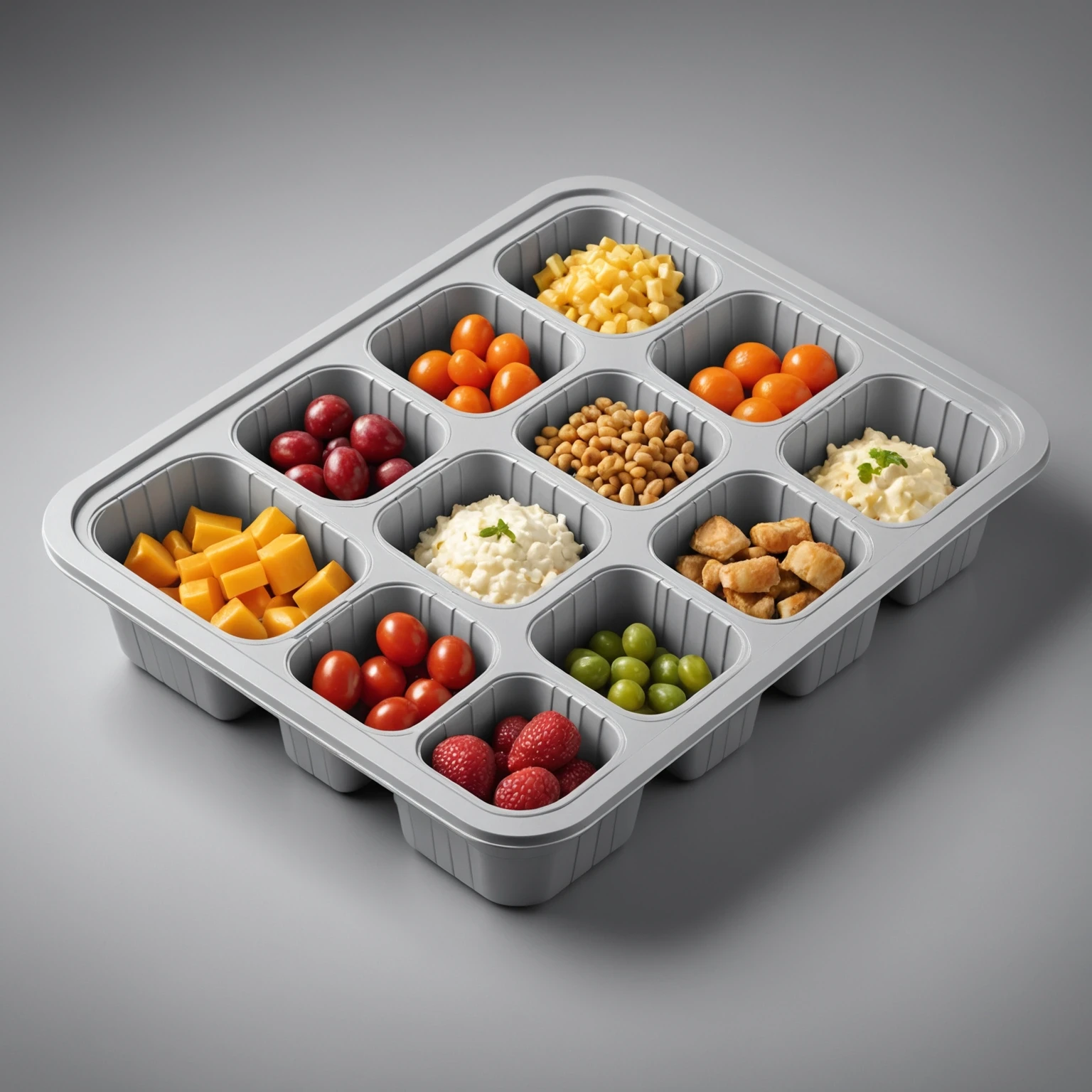
Pre-portioning meals and snacks can regulate serving sizes, decrease food waste, and simplify eating choices during busy days. This approach is especially beneficial for families, promoting balanced nutrition and easy access to ready-to-eat options. Consider packing snacks in single-serving containers or bags for quick, grab-and-go options.
Elevate Meals with Simple Flavor Enhancers
Maintain a selection of gluten-free spices, fresh herbs, citrus zest, and dressings to quickly boost meal flavors without additional cooking time. Small additions like a sprinkle of fresh herbs or a dash of vinaigrette can transform basic dishes into satisfying, varied meals that keep your palate interested.
Ensure Gluten Safety Throughout Meal Preparation
Safeguard against cross-contamination by keeping gluten-free and gluten-containing ingredients separate and using dedicated utensils and cutting boards when possible. Regular hand washing and thorough cleaning of surfaces between tasks are critical to maintaining dietary safety and confidence.
Conclusion
By adopting well-planned gluten-free meal prep strategies—including strategic planning, batch cooking, organized storage, nutrient-rich ingredient selection, and flavor enhancement—you can reduce mealtime stress while supporting health and enjoyment. These methods help busy individuals and families turn meal preparation from a daunting chore into a streamlined, sustainable practice.
For added inspiration, incorporate the flavorful Gluten-Free Savory Pumpkin and Herb Breadsticks alongside the vibrant Gluten-Free Mediterranean Chickpea Salad to create balanced, delicious meals perfect for your busy days.
Embracing these strategies empowers you to nourish yourself and your loved ones thoughtfully and efficiently, making gluten-free living both achievable and satisfying.