 Freeflourish
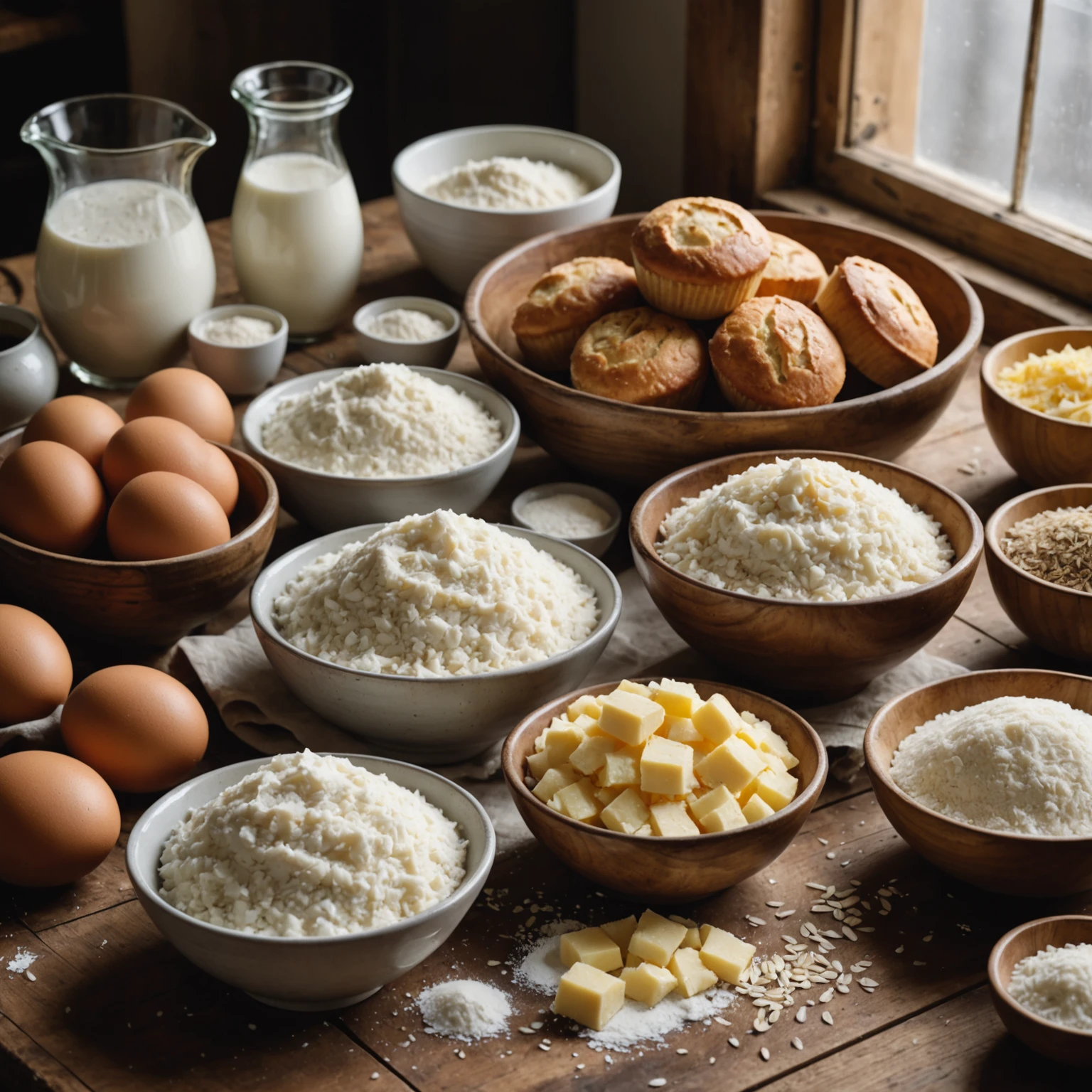
Baking without gluten involves more than simply substituting wheat flour—gluten forms the structural framework and elasticity critical for practical baked goods. Achieving familiar textures and flavors without gluten requires an in-depth understanding of ingredients and baking techniques. Whether you’re new to gluten-free baking or looking to refine your approach, the following insights can help enhance your results and enable recipe customization.
The Role of Gluten in Baking Structure
Gluten proteins form an elastic network that traps air bubbles during baking. This network enables rise, moisture retention, and a chewy texture. In gluten-free baking, the absence of this structure often leads to products that are dense, crumbly, or dry. To compensate, ingredient selection and processing methods must be adjusted thoughtfully.
Selecting and Balancing Gluten-Free Flour Blends
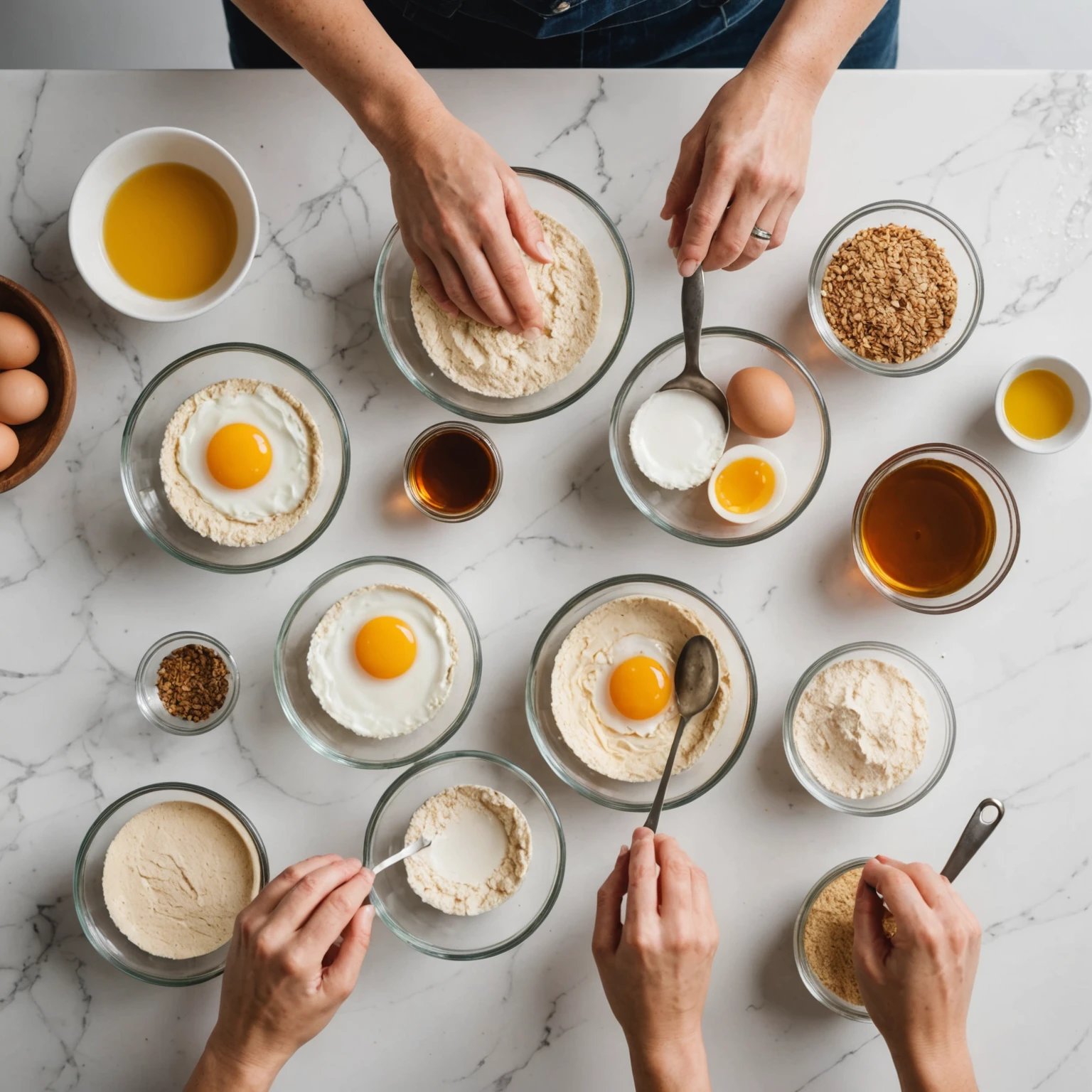
Gluten-free baking depends on combining various flours and starches—such as rice flour, tapioca starch, potato starch, or sorghum—to mimic gluten’s textural functions. While commercial gluten-free flour blends offer convenience, experimenting with blend ratios allows you to tailor texture, tenderness, and flavor to your preferences.
Utilizing Binding Agents for Elasticity
Binders like xanthan gum and guar gum play a crucial role by replicating gluten’s elasticity and structural support. The precise amount depends on the flour components and the type of baked good. Following practical guidelines and adjusting gradually helps maintain an ideal crumb and firmness.
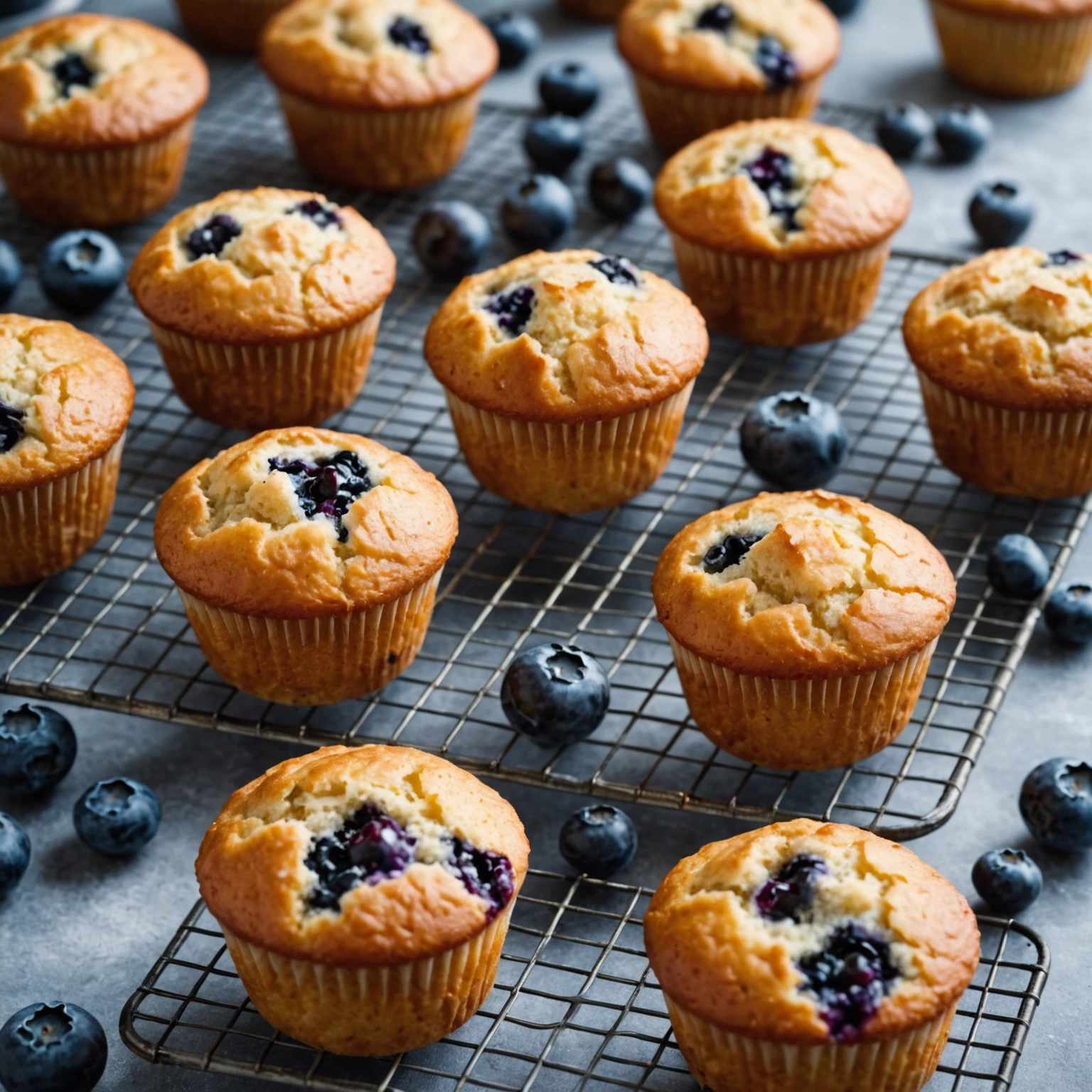
Ensuring Adequate Moisture and Tenderness
Gluten-free baked items often dry out quickly. Incorporate sufficient fats (butter or oils), dairy or nondairy alternatives, eggs or egg substitutes to preserve moisture and create a tender crumb.
- Fats coat flour particles, preventing toughness and contributing softness, but must be balanced to avoid greasy textures.
- Eggs provide both moisture and structural binding, supporting rise and cohesion.
Optimizing Mixing Techniques
Unlike practical baking where overmixing risks toughness, gluten-free recipes typically benefit from thorough mixing to distribute binders and moisture evenly. However, avoid excessive mixing beyond recommended durations to prevent adverse texture effects.
Adjusting Baking Temperatures and Times
Gluten-free goods often require slightly lower oven temperatures and longer baking durations to prevent overbrowning or drying out. Using an oven thermometer can ensure precision for optimal outcomes.
Troubleshooting Common Gluten-Free Baking Issues
Dry or Crumbly Texture
Caused by insufficient liquids, excess flour, or inadequate binding agents. Remedies include increasing liquid or fat content slightly, reducing flour ratios, or adjusting gum amounts.
Dense or Heavy Baked Goods
Often the result of heavy flour blends or poor leavening. Incorporate lighter starches and verify correct quantities of baking powder or soda.
Gummy or Overly Moist Texture
Typically due to an excess of liquids or fats. Corrections involve incremental reductions of these ingredients.
Customizing Gluten-Free Baking to Your Preferences
Once comfortable with these principles, personalize your baked goods with natural flavorings, allergy-friendly substitutions, or adapt favorite practical recipes to gluten-free versions.
For practical inspiration, see our Gluten-Free Lemon Blueberry Muffins, which emphasize tender crumbs and bright flavors through balanced moisture and flour blends. Additionally, the Gluten-Free Cranberry Orange Scones demonstrate effective leavening and texture control.
Summary of Best Practices
- Choose balanced gluten-free flour blends tailored to your recipe’s needs.
- Use appropriate binding agents like xanthan or guar gum judiciously.
- Prioritize moisture retention through fats and eggs or their alternatives.
- Mix thoroughly but avoid overworking batter.
- Maintain precise oven temperature and adjust baking time accordingly.
- Troubleshoot texture issues by fine-tuning hydration, flour ratios, and binders.
By applying these evidence-based strategies and practical tips, you can achieve consistently tender, flavorful gluten-free baked goods that elevate your gluten-free lifestyle beyond relying solely on predefined recipes.