 Freeflourish
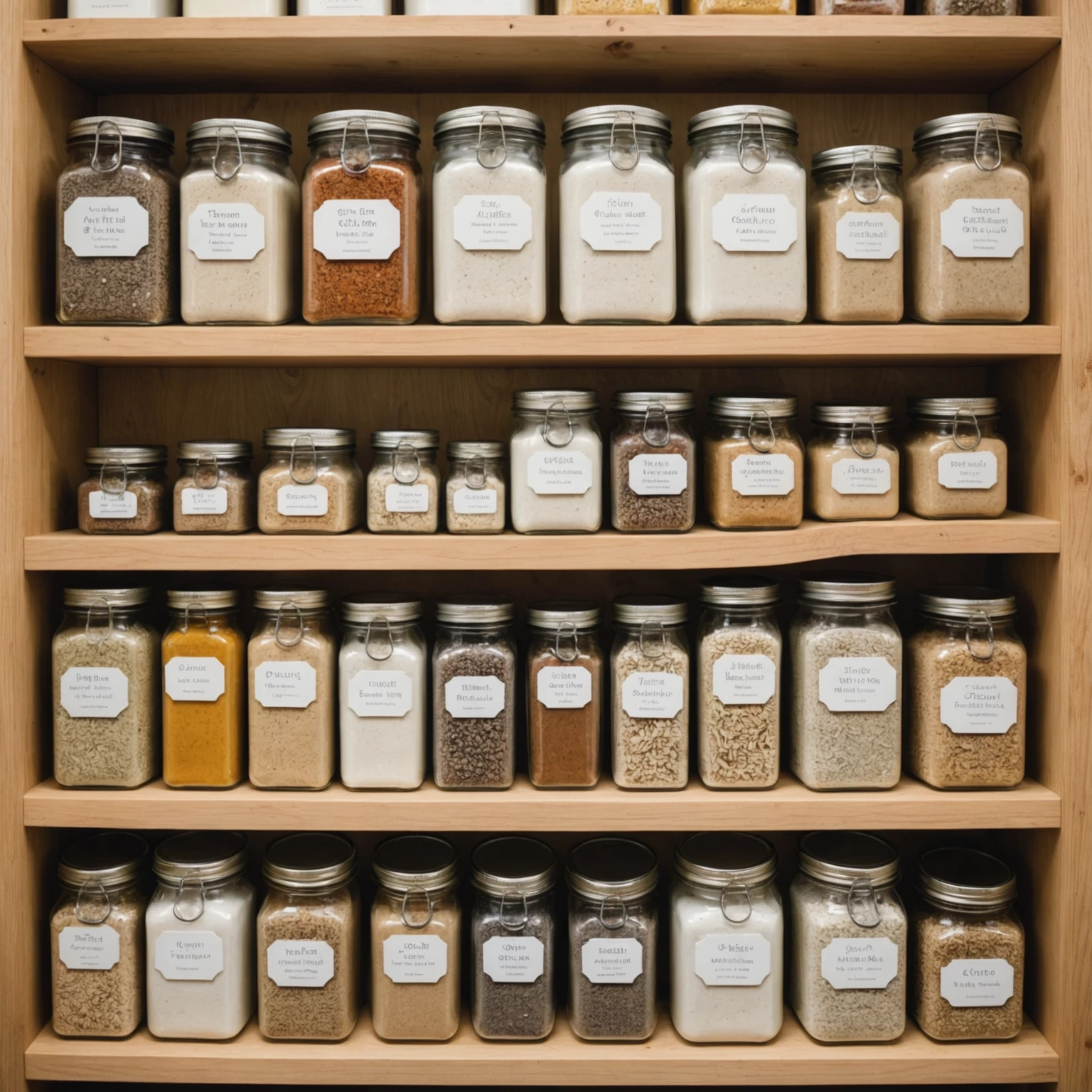
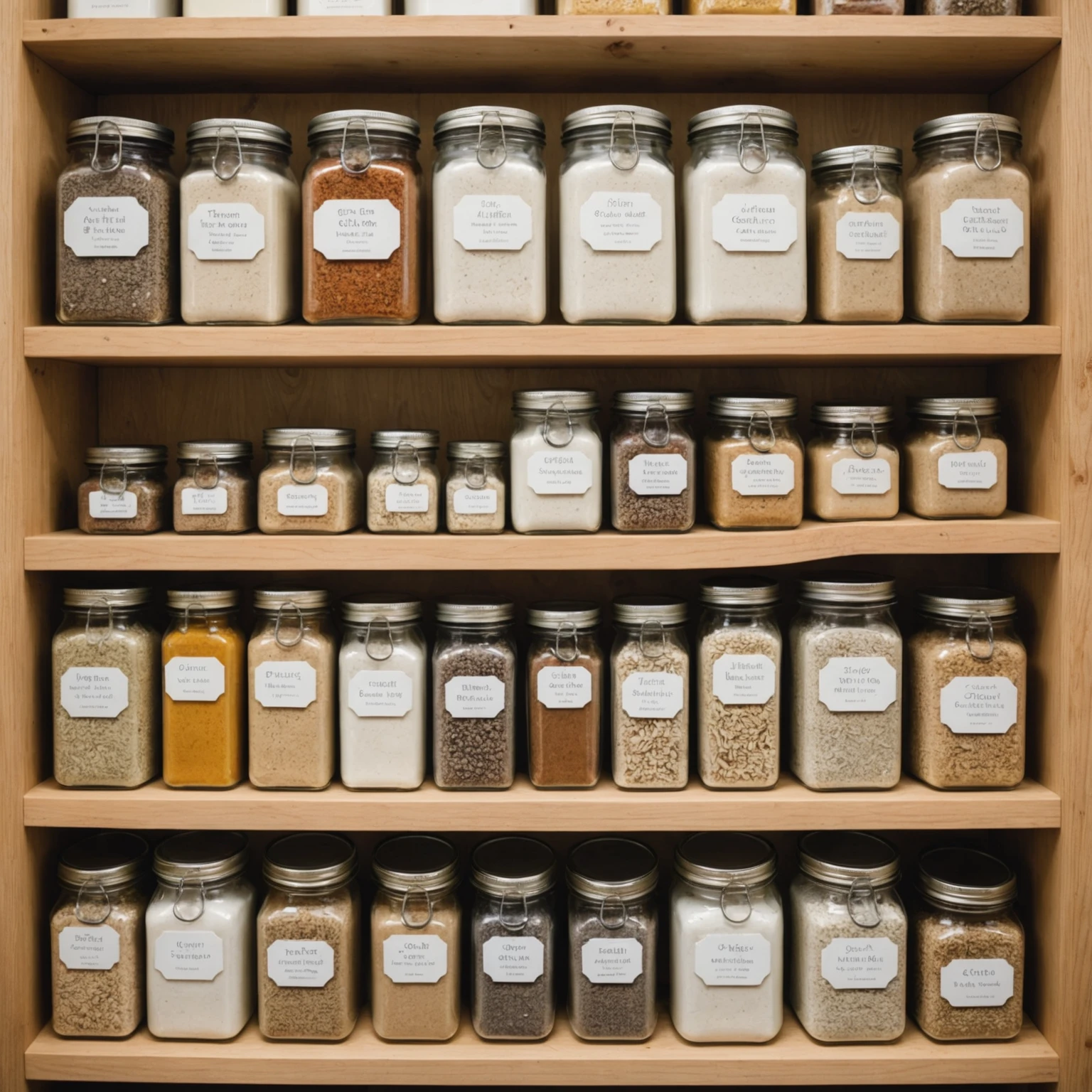
Adopting a gluten-free lifestyle involves more than just avoiding certain grains—it requires building a pantry equipped with versatile, practical ingredients that support a variety of flavorful meals. A well-balanced gluten-free pantry empowers home cooks to prepare breakfasts, lunches, dinners, and snacks with ease and confidence.
Essential Gluten-Free Flours for Versatile Cooking
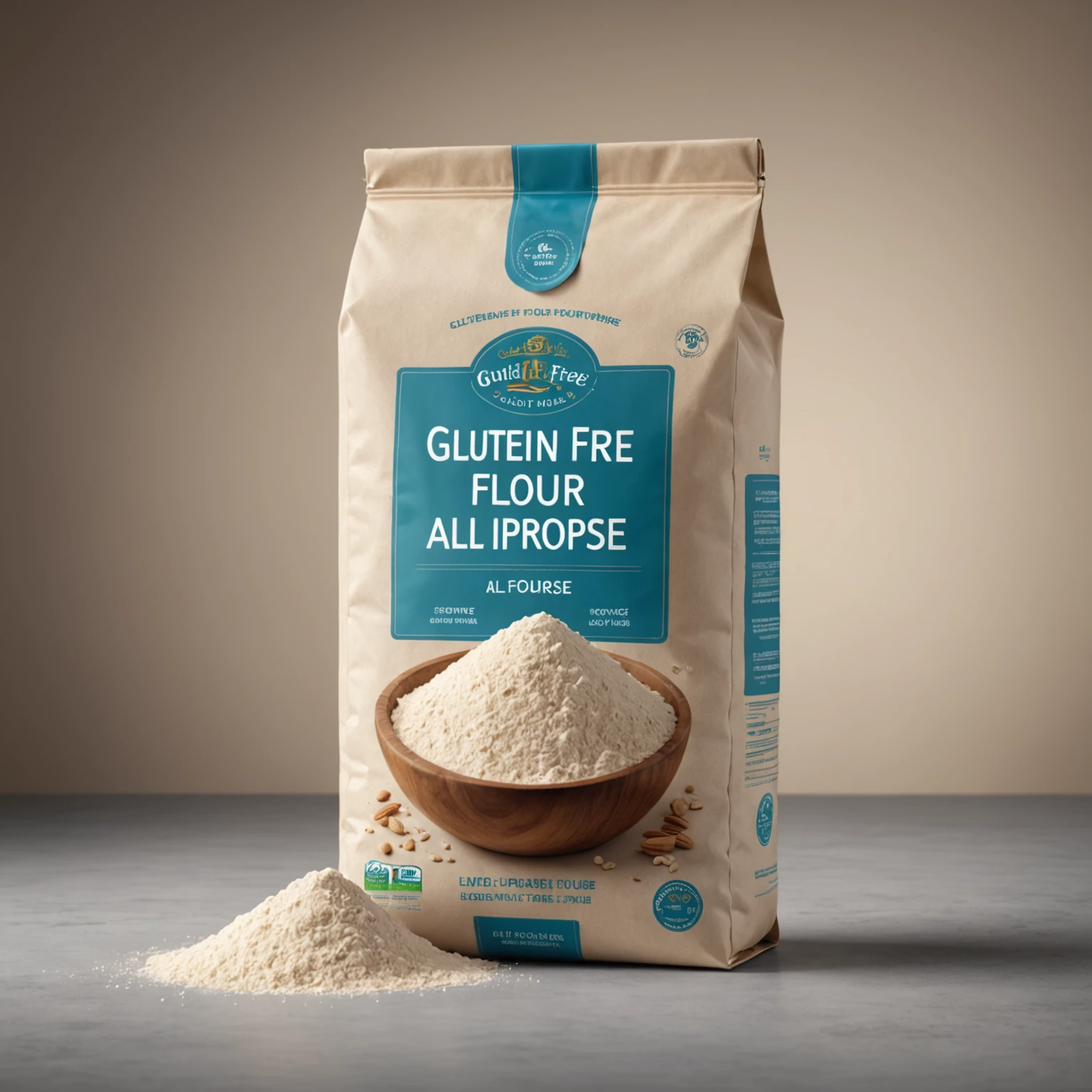
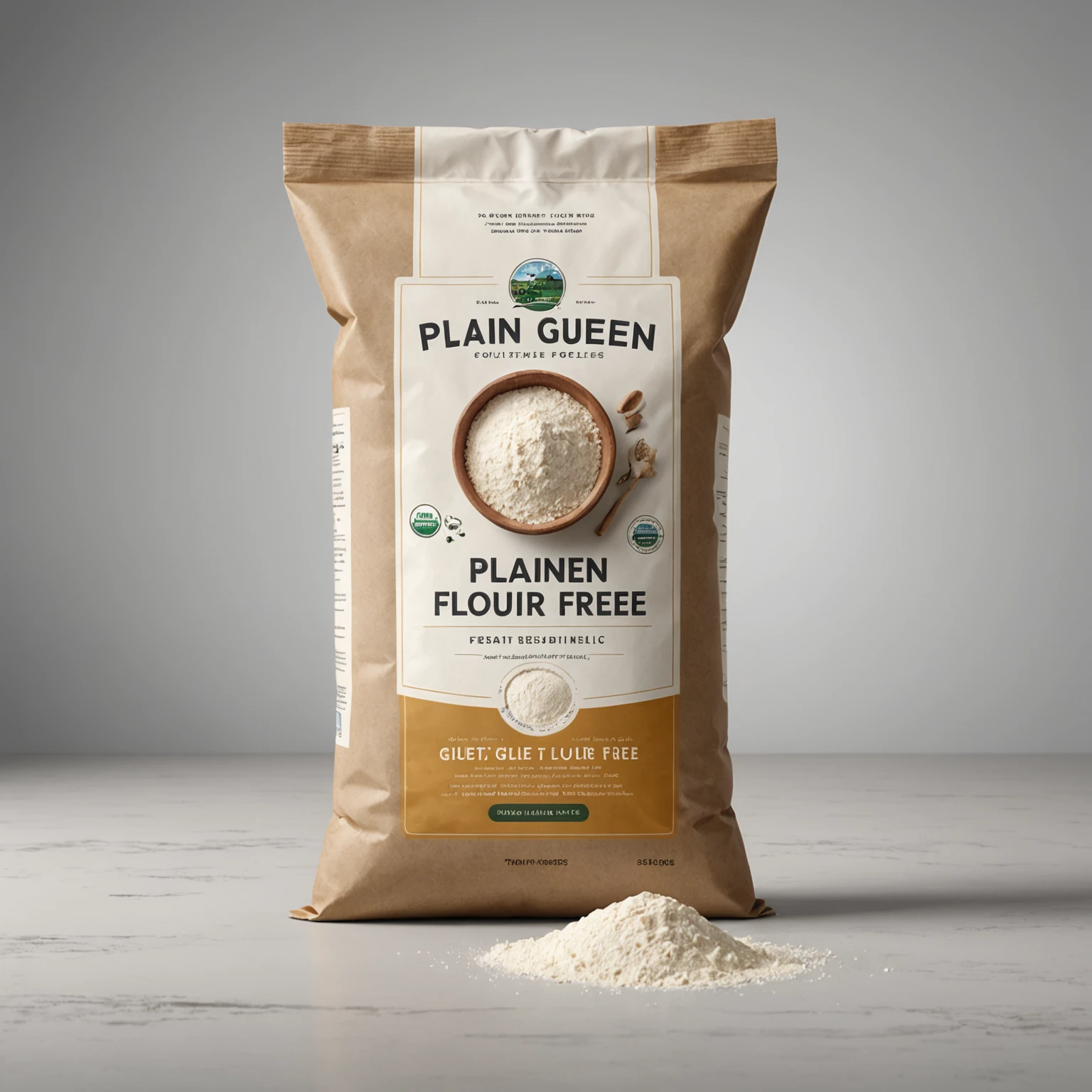
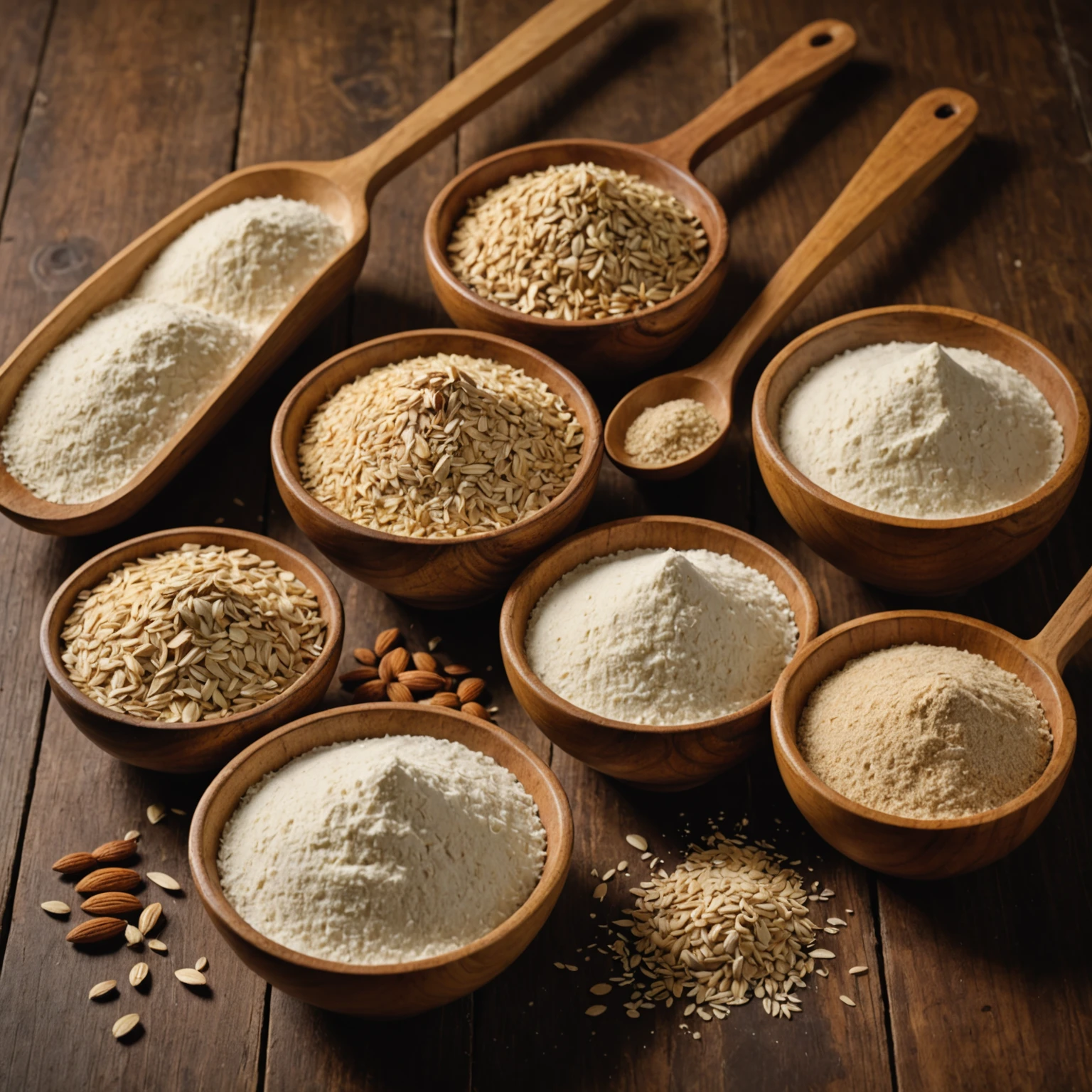
Gluten-free flours vary significantly in texture and flavor compared to wheat flour, impacting how they perform in recipes. Common options include rice flour, almond flour, certified gluten-free oat flour, and sorghum flour. Stocking a variety of these flours enables experimentation with textures—from light cakes to crispy coatings.
Because no single gluten-free flour replicates the elasticity of wheat gluten perfectly, combining different flours often yields the best baking results. For example, mixing the lighter texture of rice flour with the richness of almond flour enhances moisture and depth of flavor.
Starches and Thickeners: Improving Texture and Structure
In gluten-free cooking, starches like tapioca starch, potato starch, and arrowroot powder play a vital role. They serve as thickeners for sauces and soups and add elasticity to baked goods, effectively replacing gluten’s structural functions to produce moist, tender results without heaviness.
Selecting Binders and Moisture Retainers
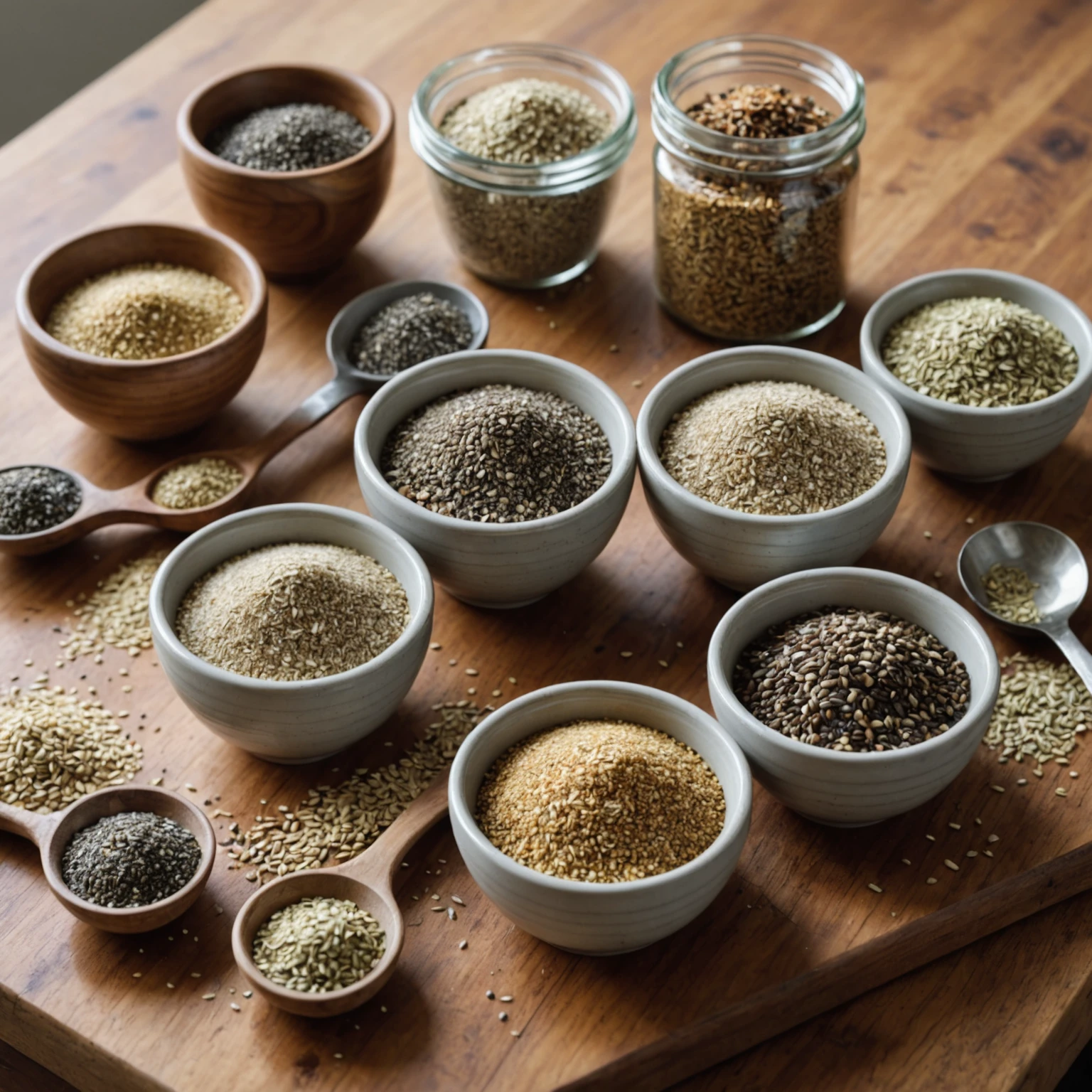
Since gluten naturally acts as a binder, gluten-free recipes rely on alternatives to maintain structure and prevent crumbling. Popular options include xanthan gum, guar gum, and ground flaxseed. Additionally, chia seeds and psyllium husk powder provide natural binding properties while increasing fiber and moisture.
Using these binders enhances the texture and consistency of gluten-free breads, muffins, and biscuits, making baking more dependable and enjoyable.
Stocking practical Pantry Staples
A practical gluten-free pantry includes practical and flavor-enhancing staples like canned beans, lentils, chickpeas, nuts, and seeds. These ingredients add variety, texture, and valuable nutrients to any meal. For example, chickpeas are versatile for salads, stews, and quick snacks, contributing protein and substance.
Maintaining a collection of dried herbs and spices further supports flavorful gluten-free cooking by layering taste and complexity into everyday dishes.
Organizing Your Pantry for Safety and Freshness
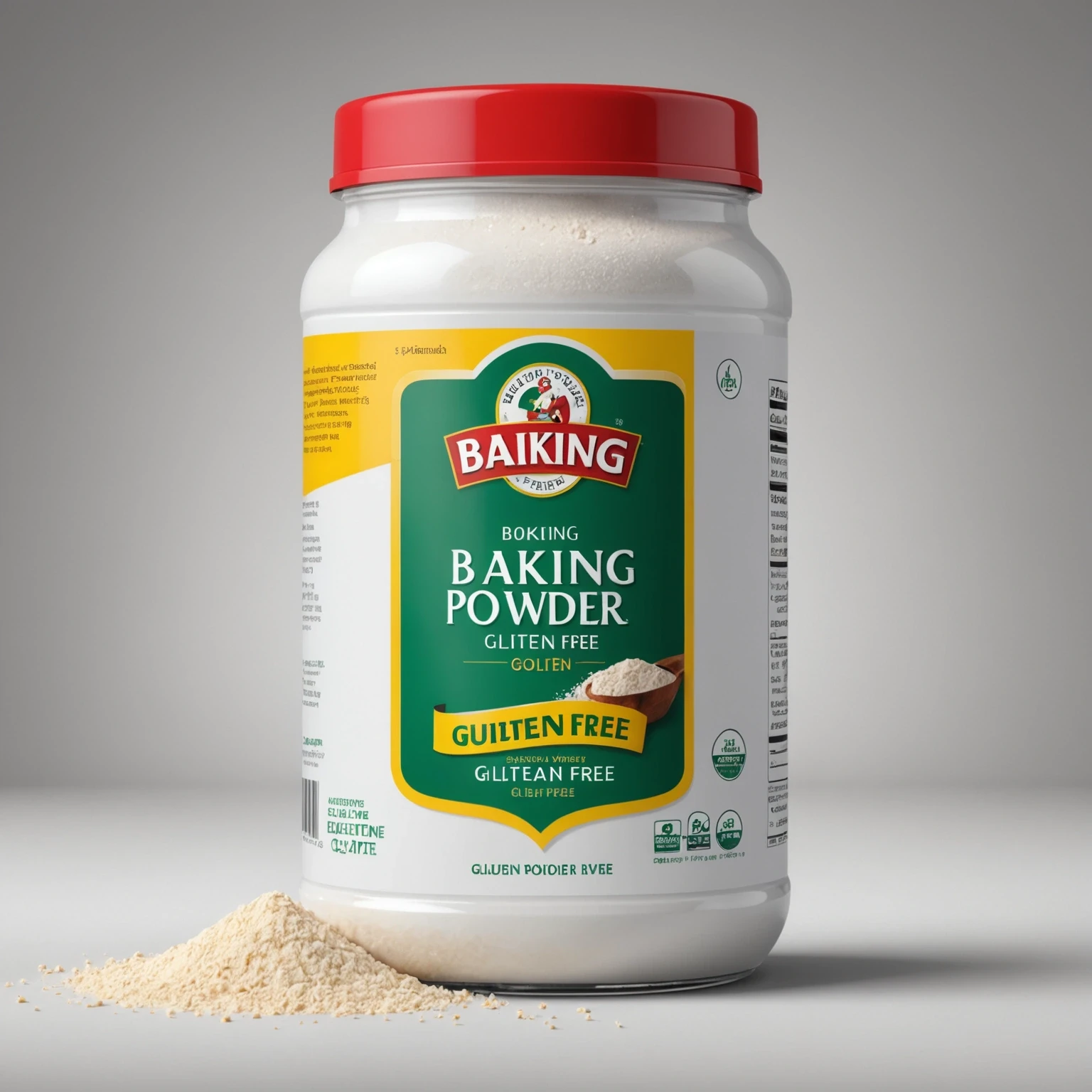
To reduce the risk of gluten cross-contamination, organize your pantry carefully. Clearly label all gluten-free products and transfer flours, seeds, and starches into airtight containers to preserve freshness and prevent exposure to contaminants. Proper organization not only ensures safety but also extends ingredient shelf life.
Empower Your Gluten-Free Cooking Journey
Curating a thoughtfully stocked and well-organized gluten-free pantry transforms cooking from a challenge into a creative and rewarding experience. Understanding ingredient functions and maintaining essential staples provide the foundation for confident, practical, and delicious meal preparation at home.
For practical inspiration, explore these recipes demonstrating core pantry ingredients:
- Gluten-Free Pumpkin Spice Breakfast Bars showcase the artful blend of gluten-free flours and warming spices for a comforting morning treat.
- Gluten-Free Savory Cheese and Herb Biscuits highlight effective use of binders and flour combinations to achieve flaky, flavorful biscuits suitable for any time of day.
Investing in your gluten-free pantry is a step toward a practical lifestyle and an exciting culinary adventure that broadens your meal possibilities.